


1. Where & how NYC’s street signs are made
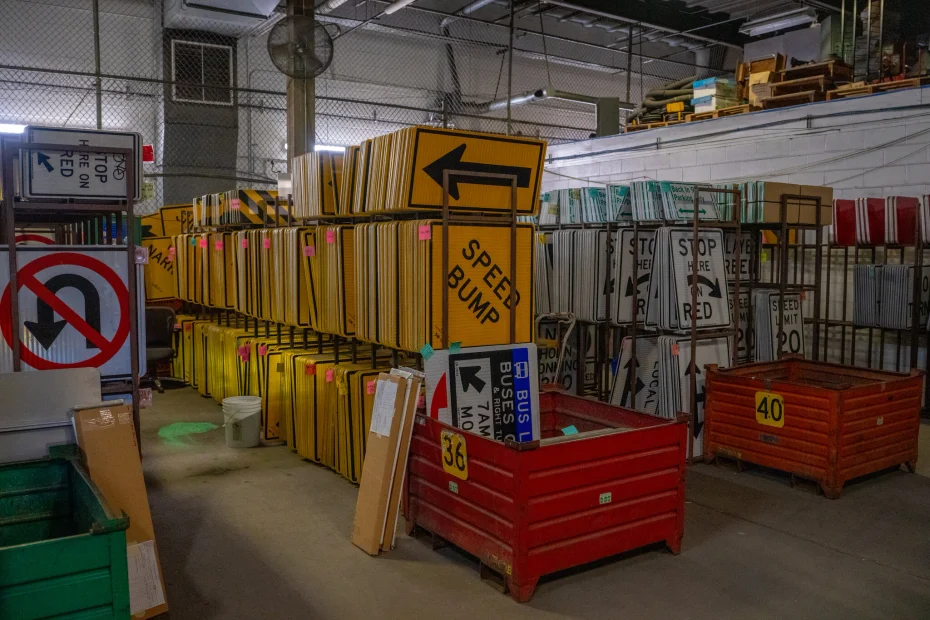
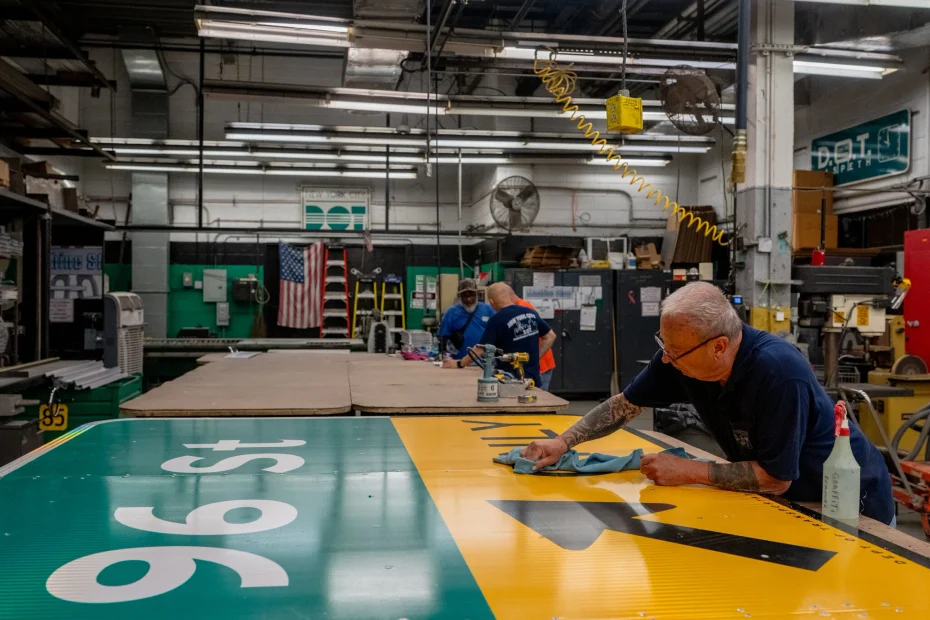
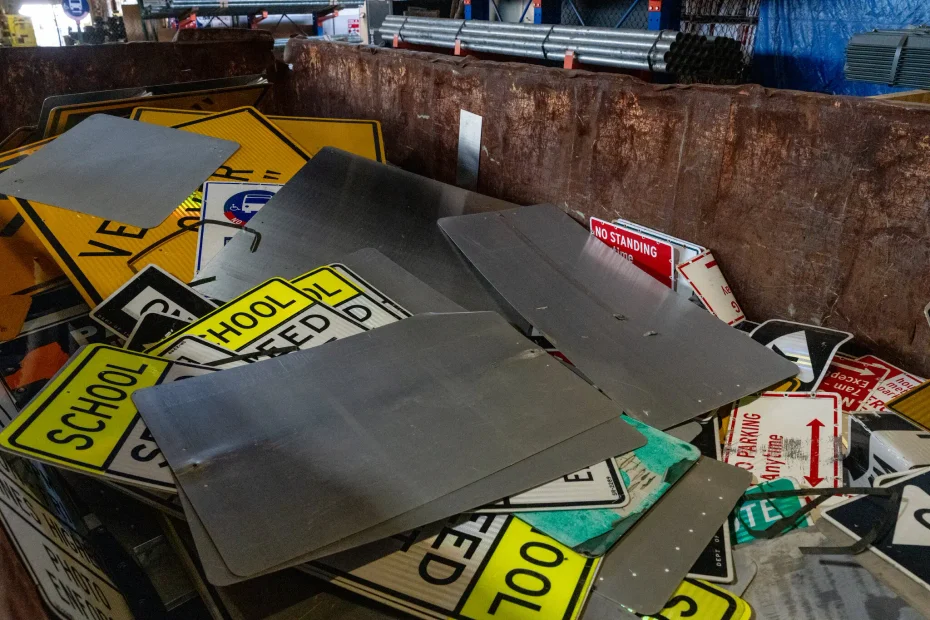
Sturdy sheets of aluminum are stacked to nearly the ceiling inside this industrial shop where almost every New York City street sign is born. Even in a digital age, the Maspeth Central Shop in Queens is still cutting, printing and assembling more than 70,000 municipal signs a year, from the street-cleaning signs found in every neighborhood to the big green signs directing traffic on major highways. The sign shop, which is part of the New York City Department of Transportation, has a staff of 46 workers, including seven letterers who lay out signs by hand and a blacksmith who makes custom brackets to securely attach signs to traffic poles. These workers are responsible for maintaining more than one million street signs across the five boroughs. When a stop sign is damaged, they are the ones who make the replacement. When a street is renamed or a parking rule is changed, they update the signs to make it official.
Read more, found on the NY Times.
2. Some nice old French Graphic Design for sale
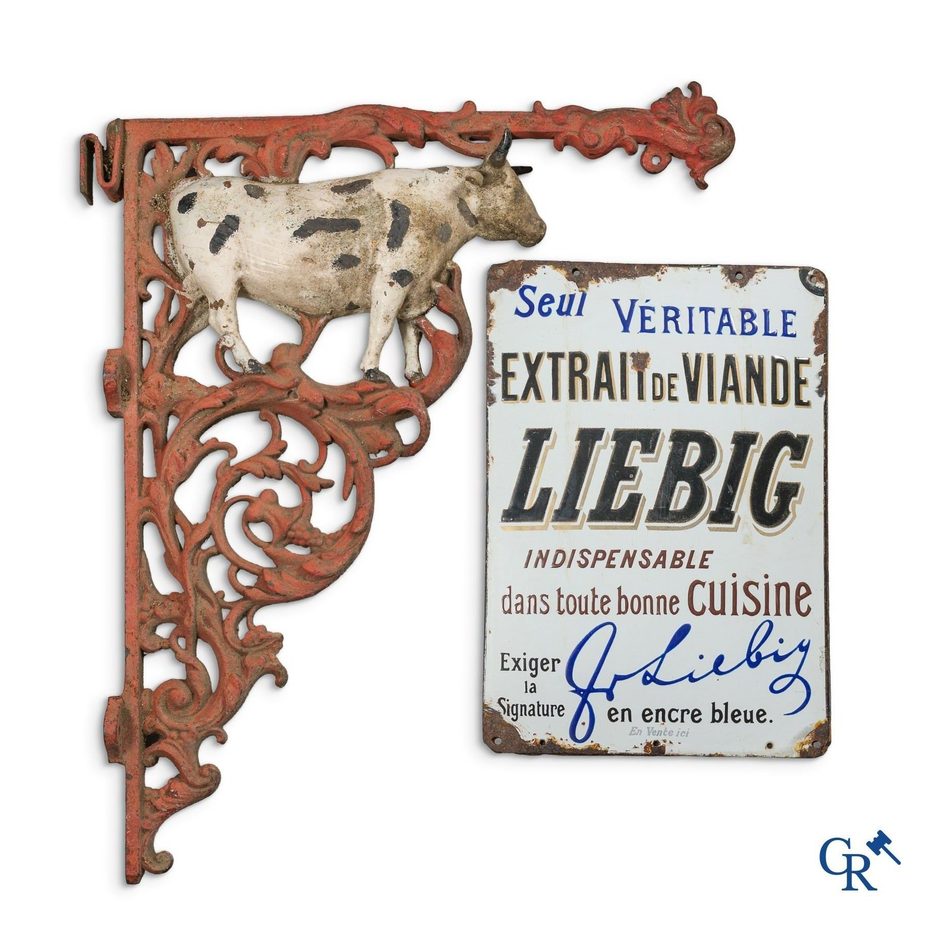
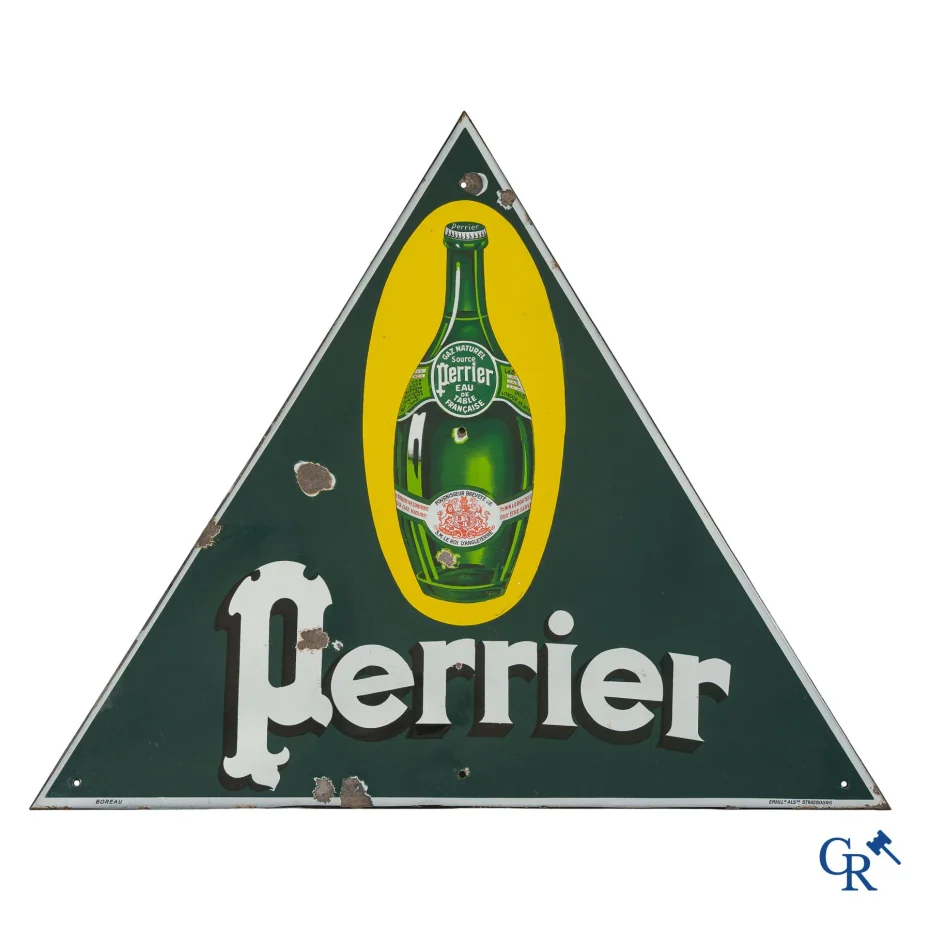
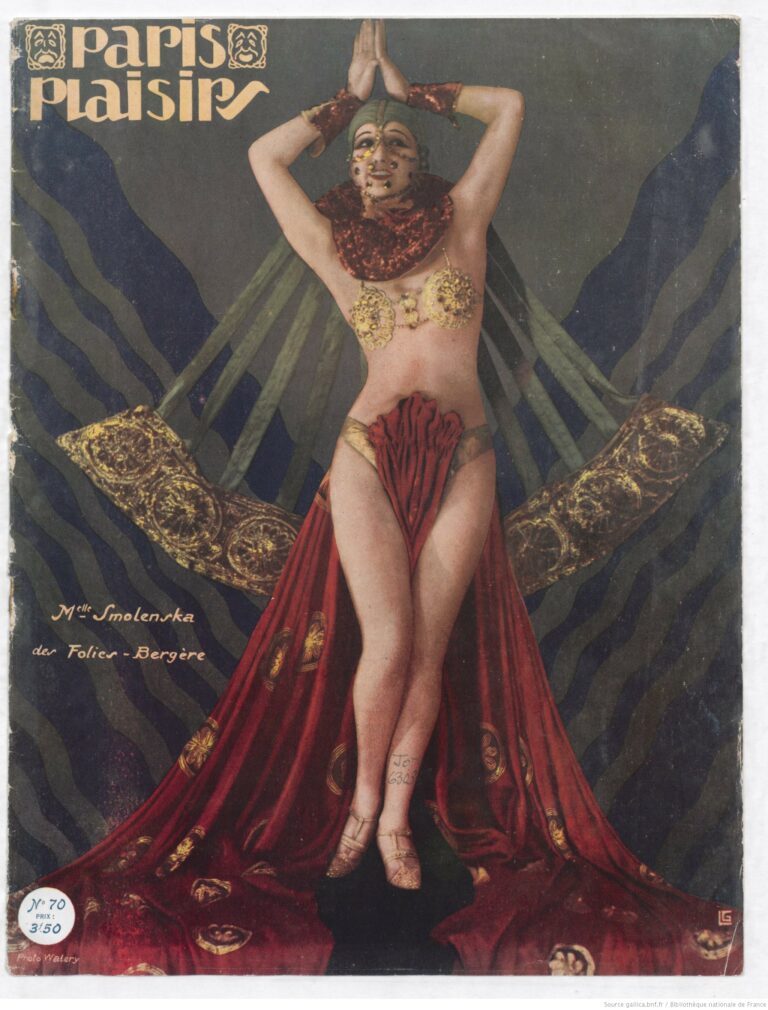
Pre-AI roadside signage & graphic desgn up for auction (you can bid online) at Drout this week. And if you miss it, check out this toys & miniatures sale the following day from a private French museum.
3. How Victor Hugo Helped Save the Notre-Dame
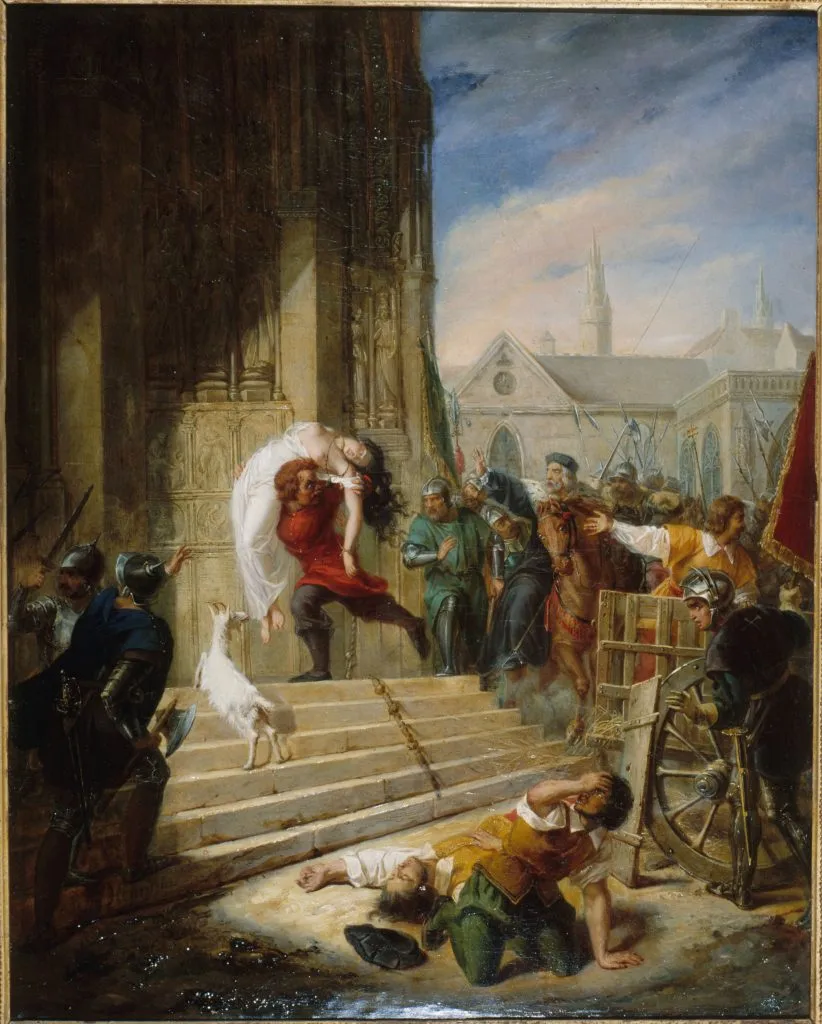
Victor Hugo’s 1831 novel Notre-Dame de Paris gave us a landmark of Gothic literature, its Romantic tale kept alive by adaptations from the Lon Chaney vehicle to the Disney reimagining. But when Hugo wrote it, he had something more urgent in mind: saving the cathedral itself from demolition.
Read the full article on Art Net.
4. Currently fascinated by: Secret Reliquary Busts
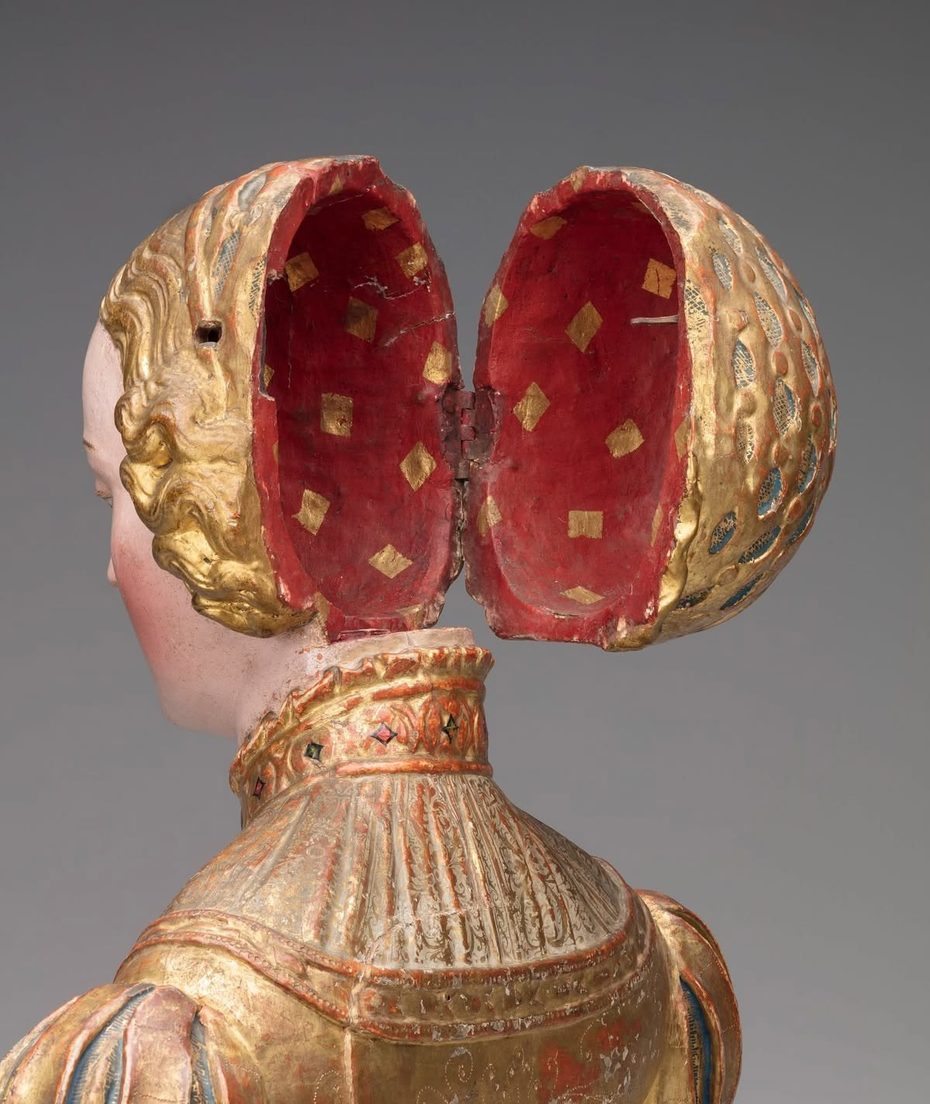
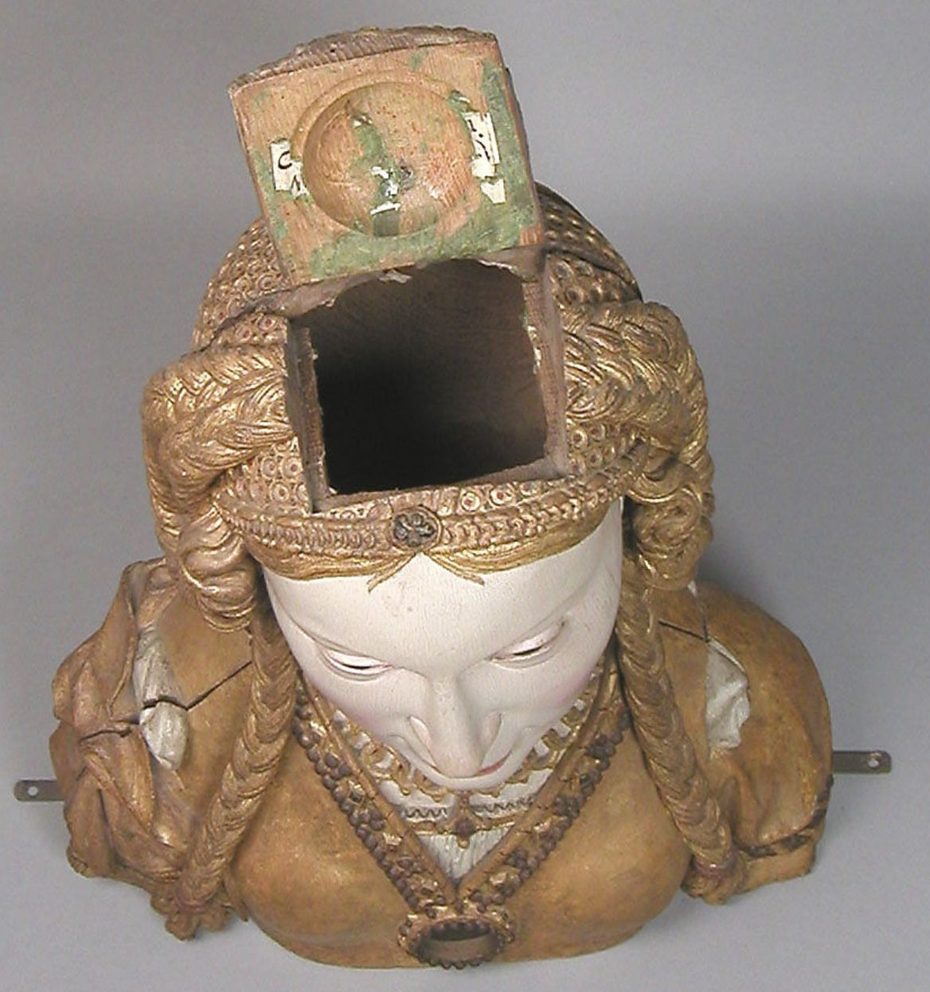

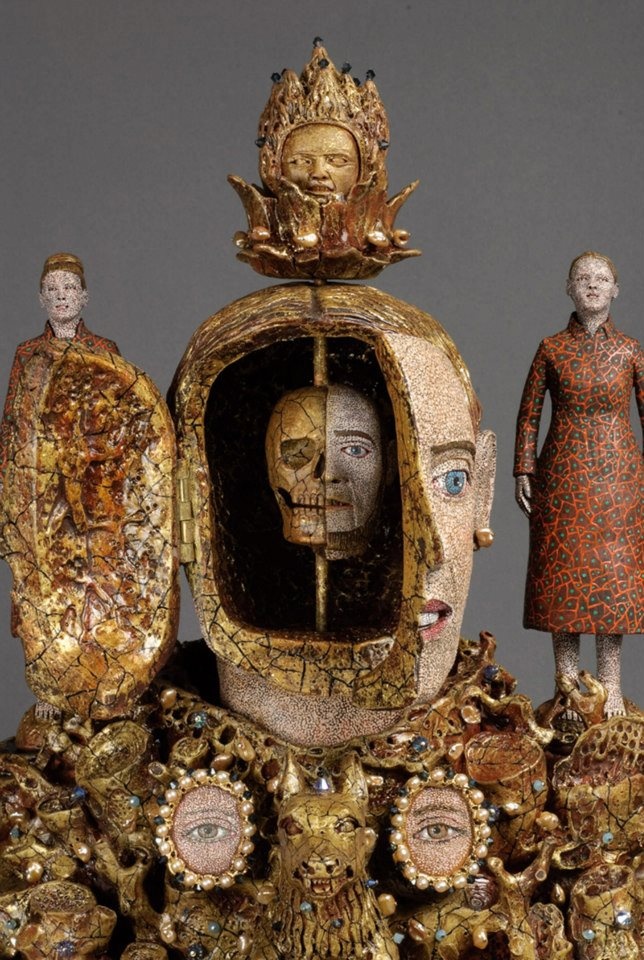
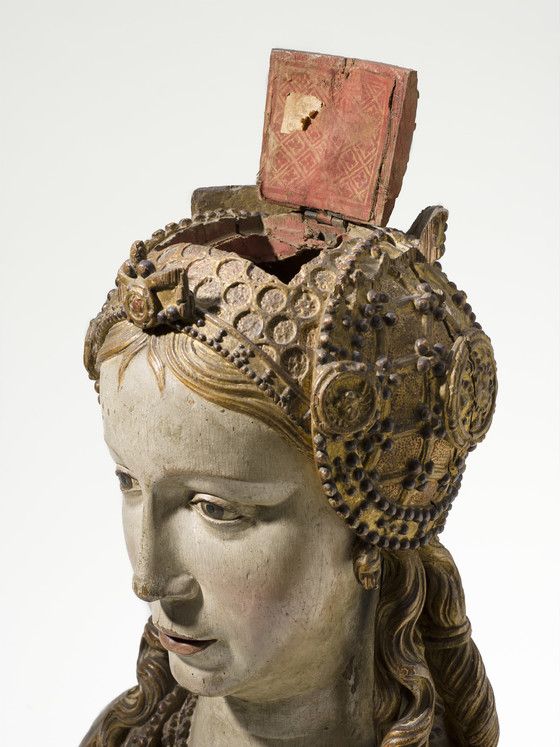
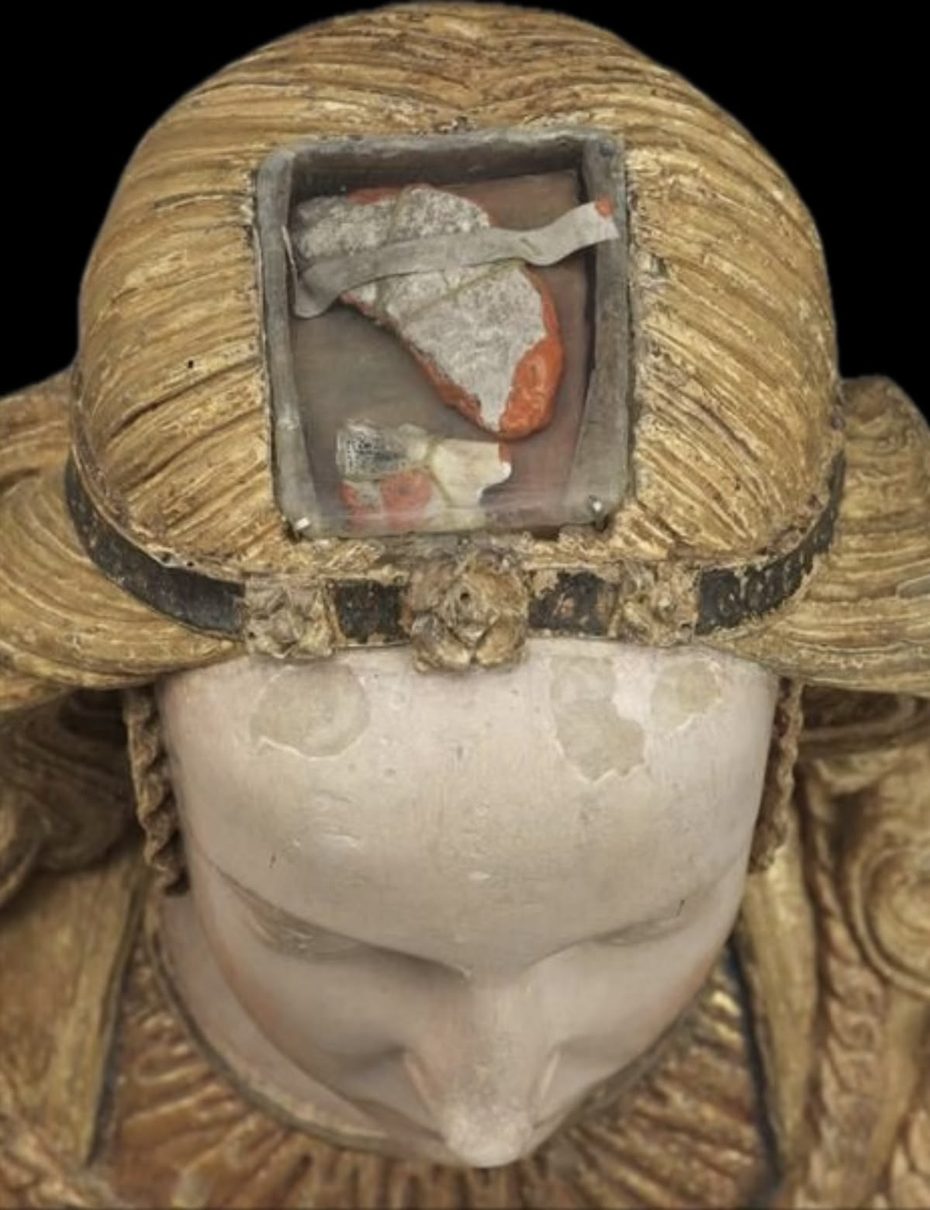
Sculpted images of saints made to contain bodily relics. The concealment was meaningful. A reliquary was not simply a container disguised as a person; the sculpted body effectively gave the relic a visible, recognizable presence. So the effect we get today — “a statue with a hidden compartment” — is a little misleading. For the original audience, the cavity was really the core of the object’s sacred function. The sculpted bust was the magnificent outer body built around that relic. In medieval Catholic thought, a fragment of a saint could stand for the saint as a whole — the idea often described as pars pro toto, “a part for the whole.” That is why a tiny physical fragment could be housed inside an elaborate, almost lifelike bust and treated as a focus for prayer and intercession.
Read more here.
5. A comprehensive online catalogue of historical and contemporary pictorial letterpress works

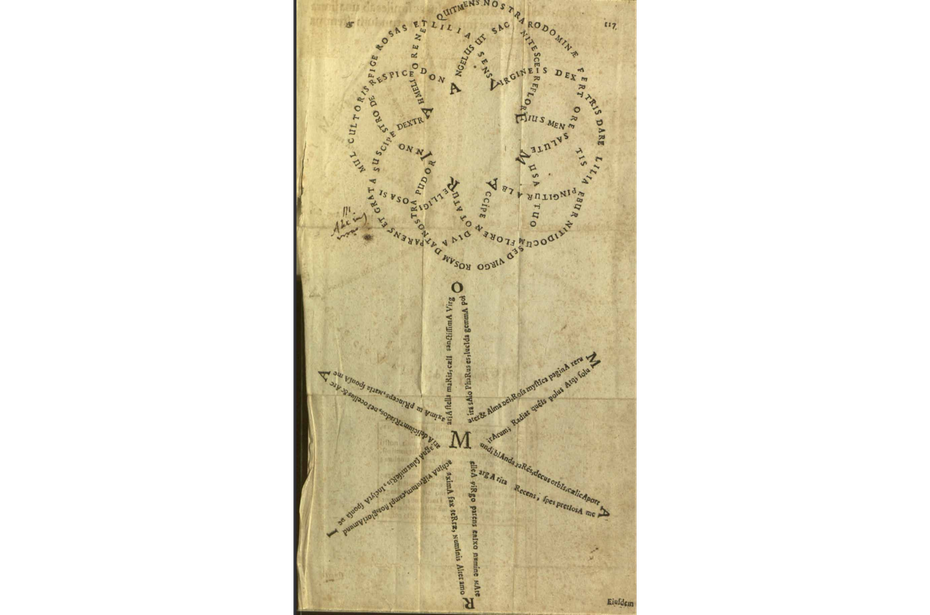
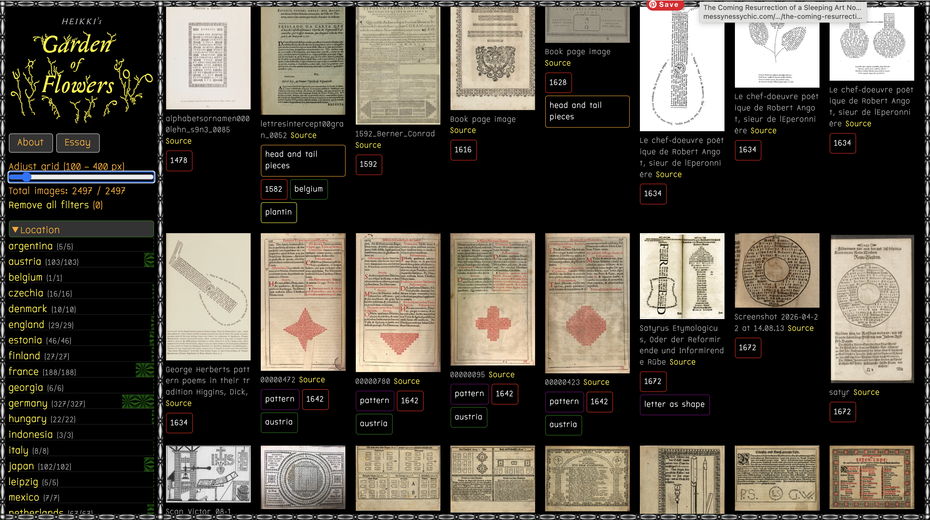
Like text art, before the internet. Explore it here.
6. Thomas Edison’s electric pen: the first of his inventions to be mass-produced and mass-marketed
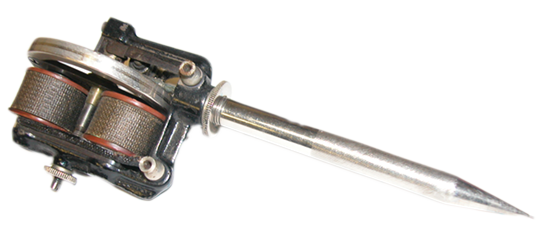

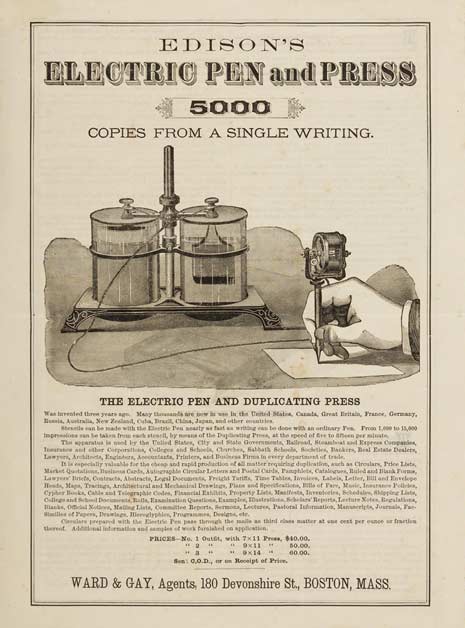
An interesting website all about it and the beginning of office copying technology, found here.
7. Gloria Steinem’s last printed words, published after her death by The New Yorker
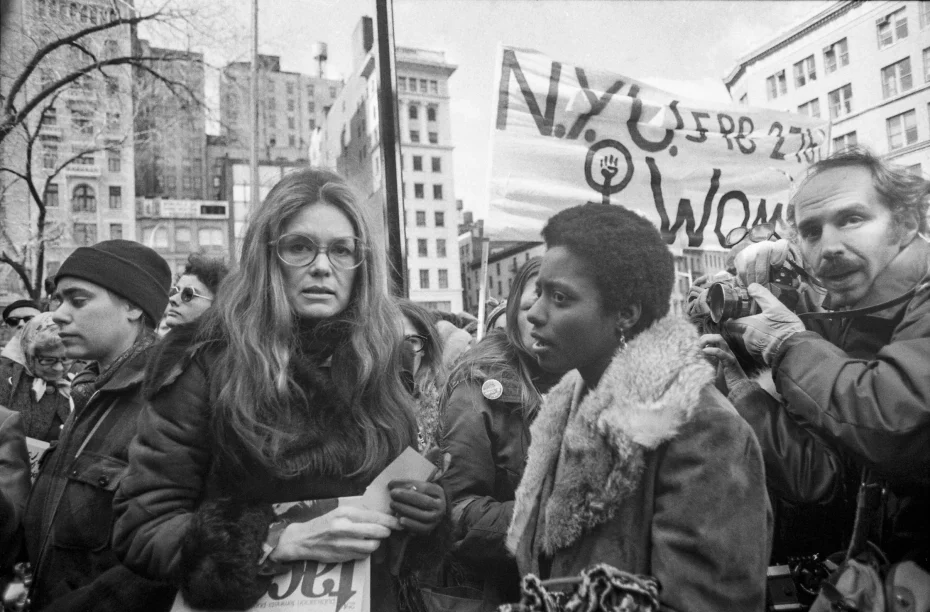
When you’re lucky enough to have lived a long life, as I have done, your role is to remind us how far we have come. Read her words here.
8. Forgotten Female Historical Figure du Jour: Duchess of Swabia, Agnes of Waiblingen
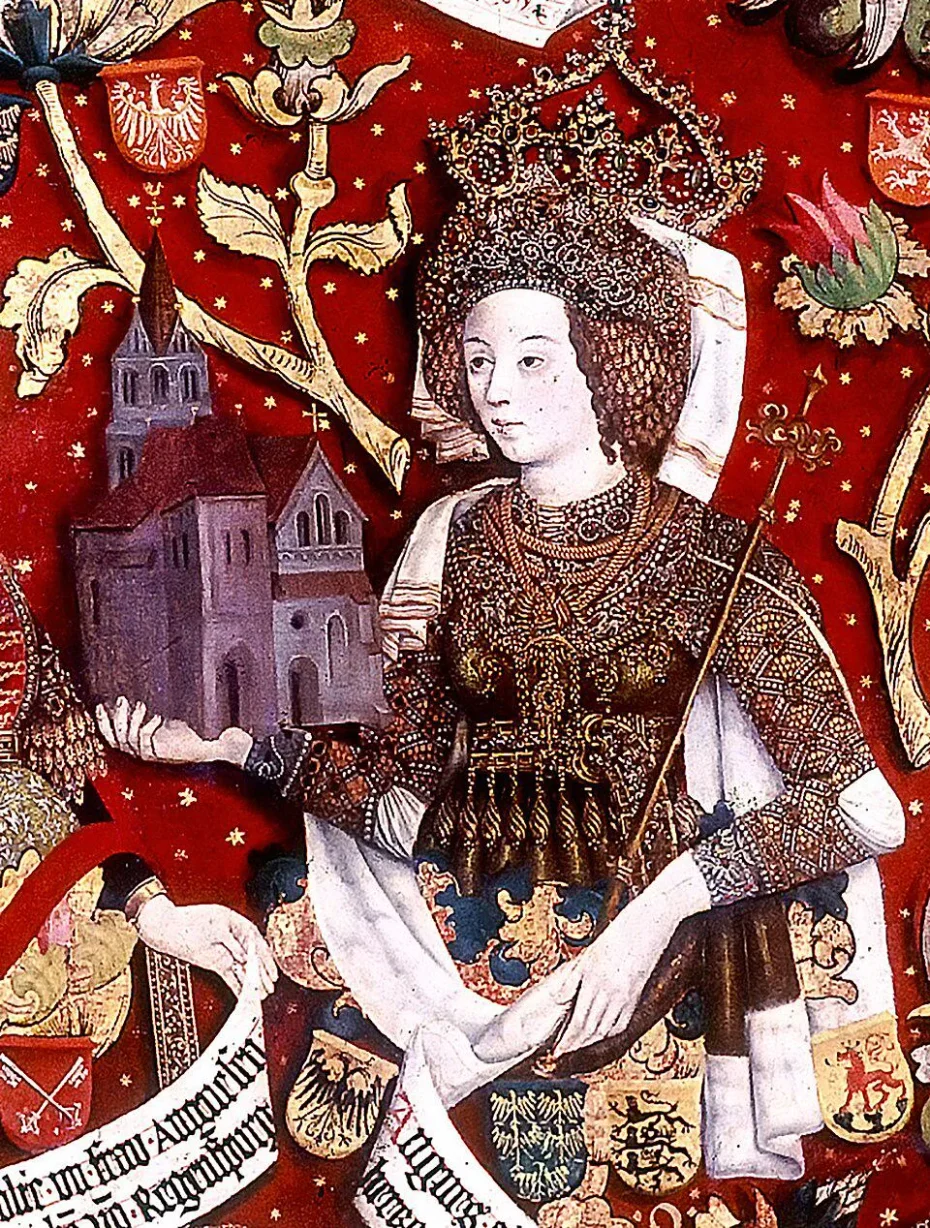
Duchess of Swabia, Agnes of Waiblingen (1072–1143), was the daughter of Holy Roman Emperor Henry IV, and lived to be about 70 years old. She married twice, had 17 children and became the mother of German kings and Holy Roman emperors. While medieval women rarely ruled in their own right, Agnes’s personal achievement was the deliberate cultivation of an extraordinary network of children and she positioned them meticulously across the geopolitical chessboard of Europe. Agnes was far from a passive political figure. Upon the sudden death of her second husband, Margrave Leopold III of Austria, in 1136, she actively secured the political succession of Austria. She was a prolific patron of the church, co-founding major institutions that remain culturally significant today.
That’s about all the juice you can dig up on her, so this absolutely feels like a research project crying out for a historian.
9. Rainmaker: File under forgotten jobs worth revisiting?
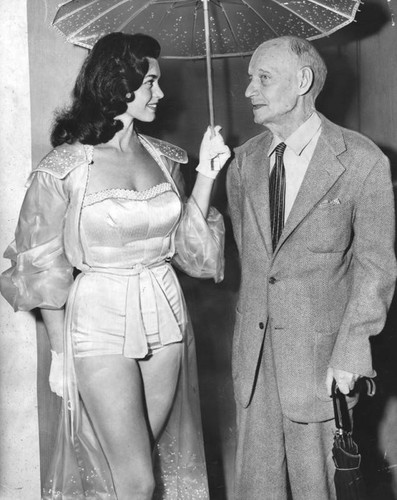
Meet Charles Hatfield (1875-1958). He was an American “rainmaker” who was hired by the San Diego City Council to fill the Morena reservoir by “making” rain.
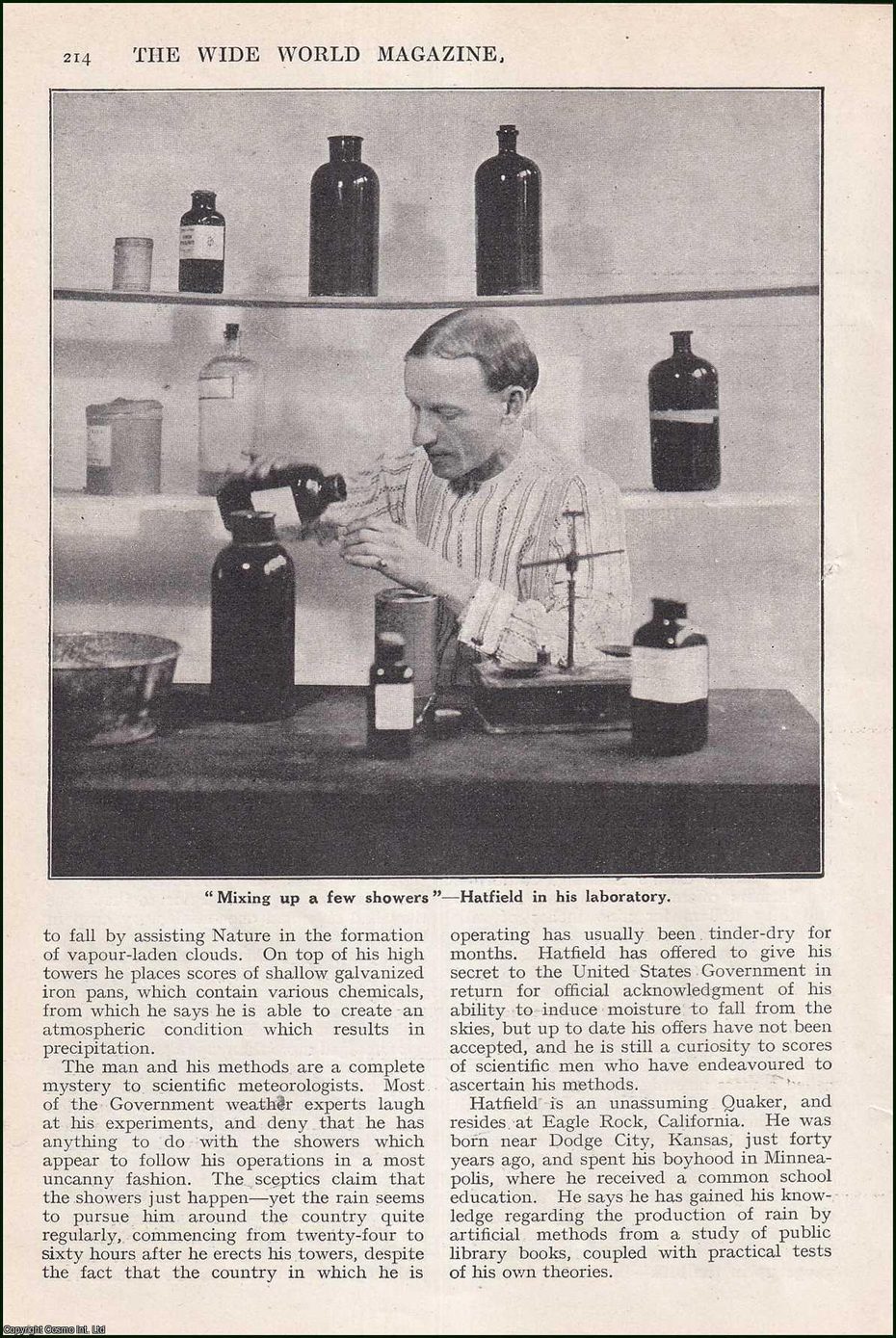
The year was 1915 and as the story often goes, San Diego was in a horrible drought. At the time, the city was growing and the newly constructed dam at Lake Morena was yet to be filled even a third of the way. Otay lake and other reservoirs in the city were having similar issues. Word had circulated about Hatfield, a folk legend at the time, who claimed to have made it rain more than 500 times around the world. Rainmakers were a thing during this period, but most were thought of as scammers. As with any profession, there will be those who are authentic and those who are just trying to make a quick buck. Hatfield seems to have been an authentic one. After one of the most devastating floods in the history of the city ensued, they refused to pay him and tried to make him liable for the damages. He said that the damage was not his fault and that the city should have taken adequate precautions. Charles Hatfield died January 12, 1958, and took his chemical formula with him to his grave. He claimed at least 500 successes.
More on his Wikipedia page.
10. New York City also has a tree map, where every tree in the city is mapped and catalogued. They’ve mapped 890,000 so far
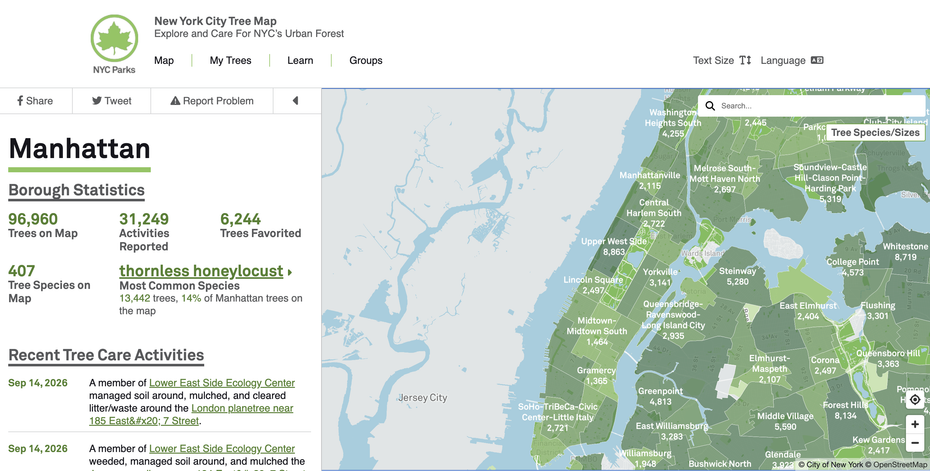
Explore it here.
11. Hidden speakeasy found in a 1930s Spanish Revival Home
You can see how it turned out after the remodelling here.
12. For Sale: A 1950s French Peniche Boat moored in Avignon on the Rhone (with a pool)




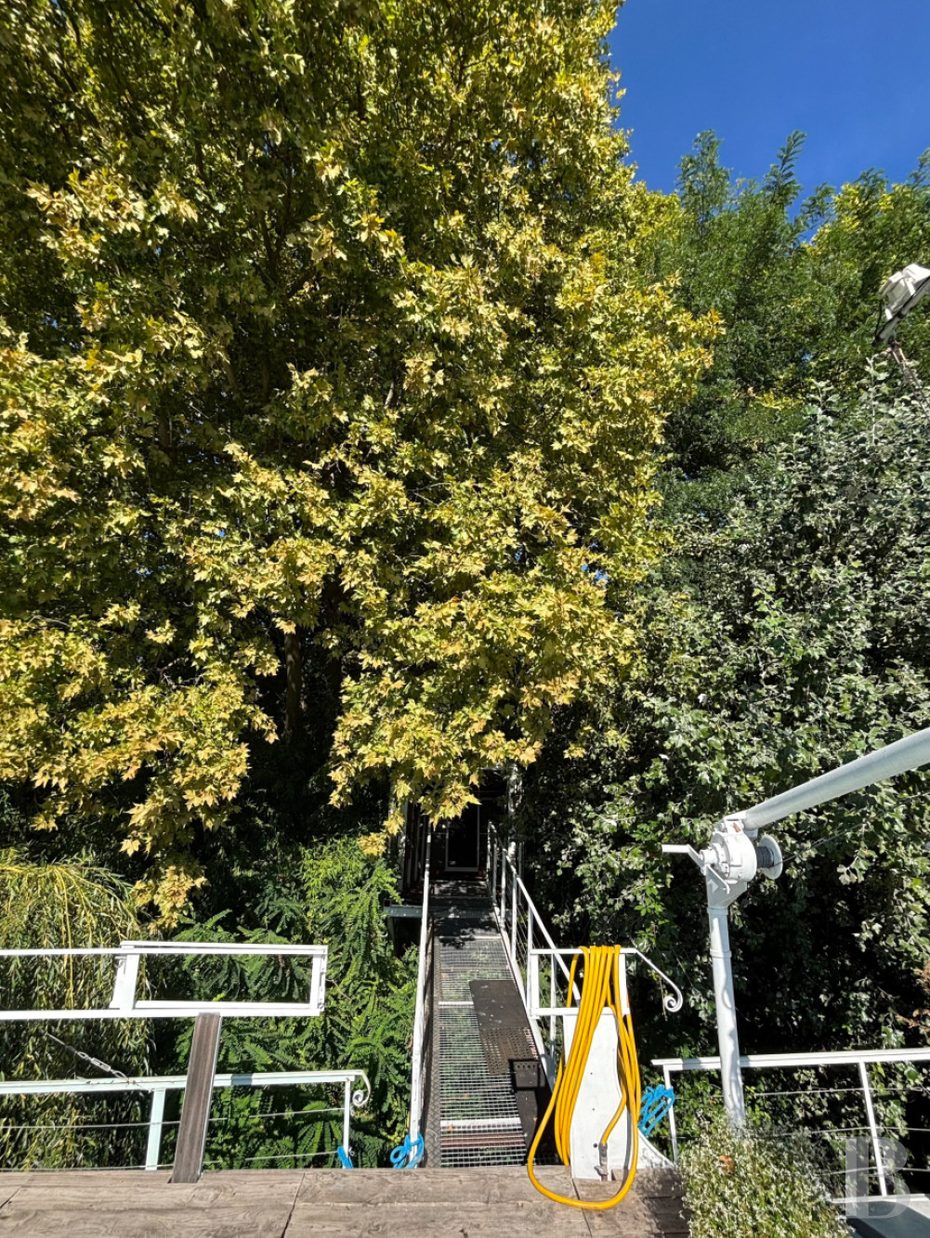
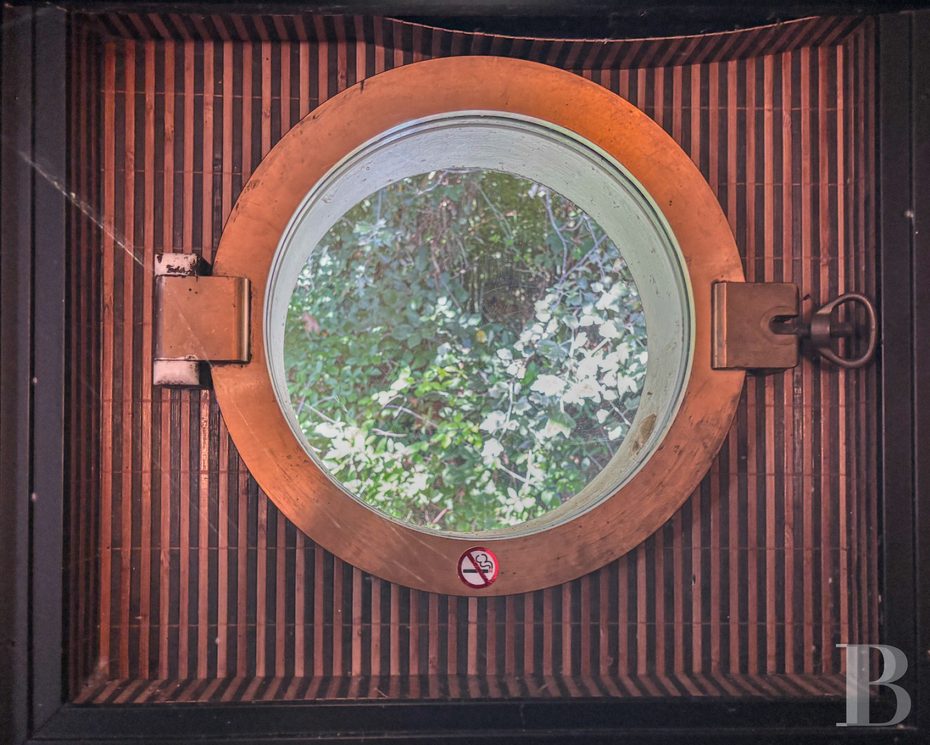
Ready to go analog? Asking price is 330,000 euros and the listing is with Patrice Besse.