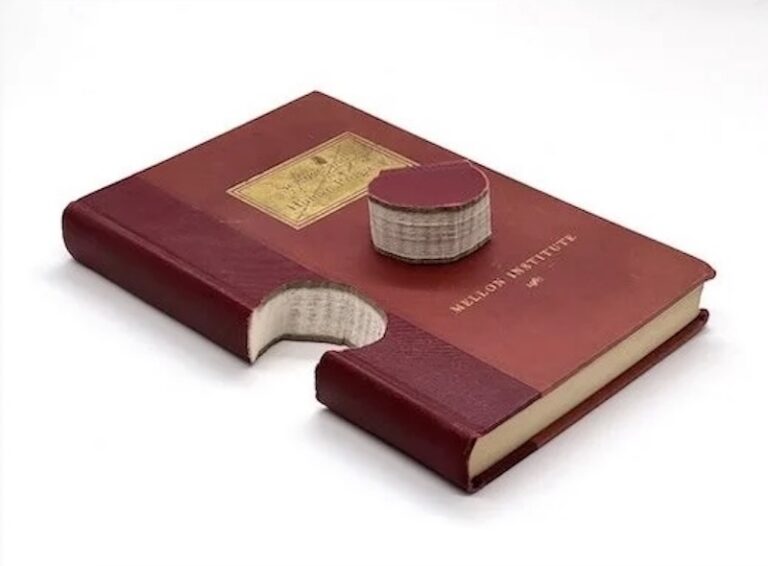



This week’s edition is dedicated to our readers in America. Happy 250, with love & courage from your friend in Paris.
1. One of America’s most recognisable corporate buildings is for sale
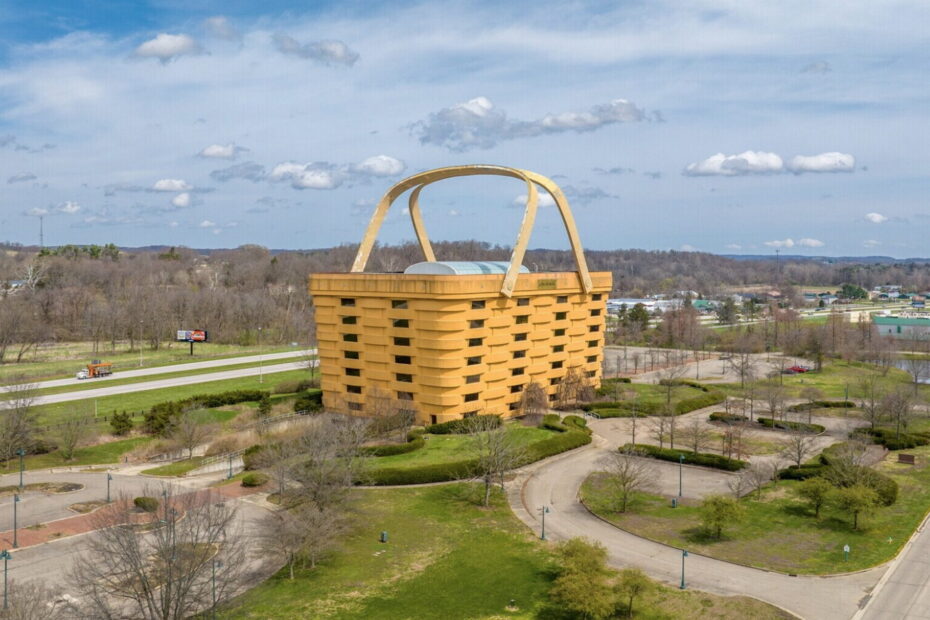
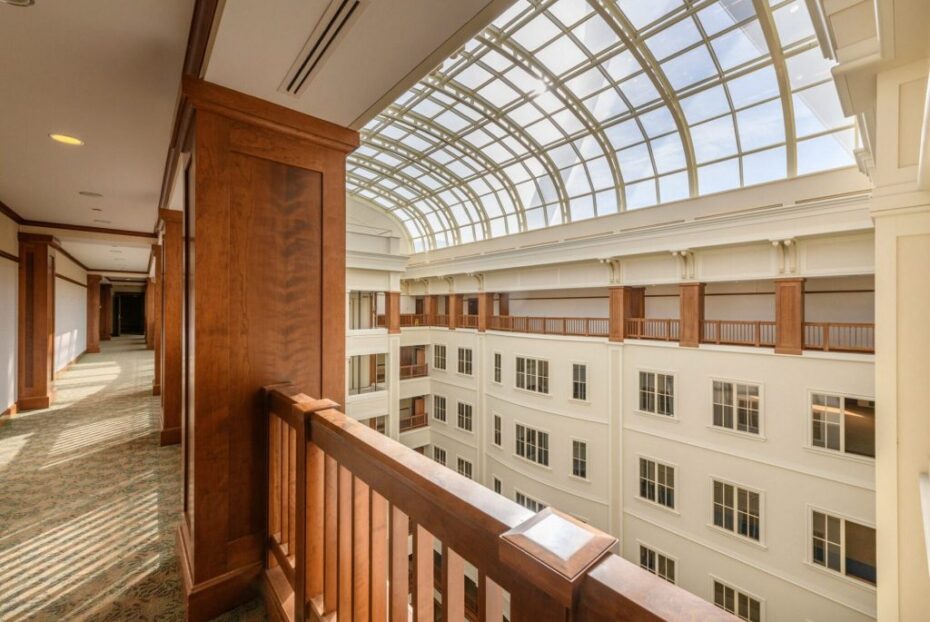
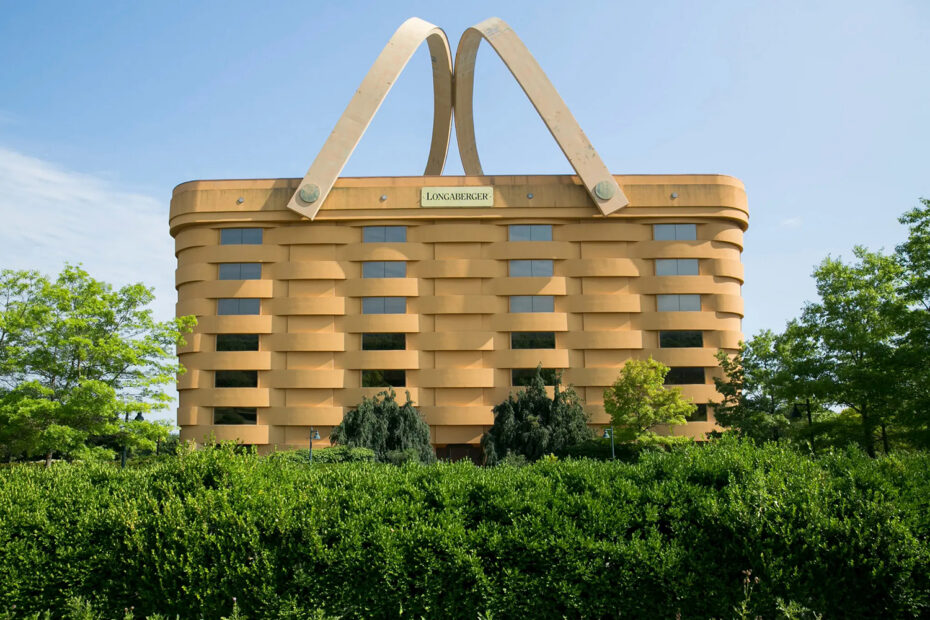
Nearly three decades after it opened as the headquarters of the Longaberger Company, one of America’s most recognisable pieces of corporate architecture has returned to the market. The seven-storey office building in Newark, Ohio, is listed for US$8.5 million.
Found on The Spaces.
2. NASA’s Giant Wind Tunnels
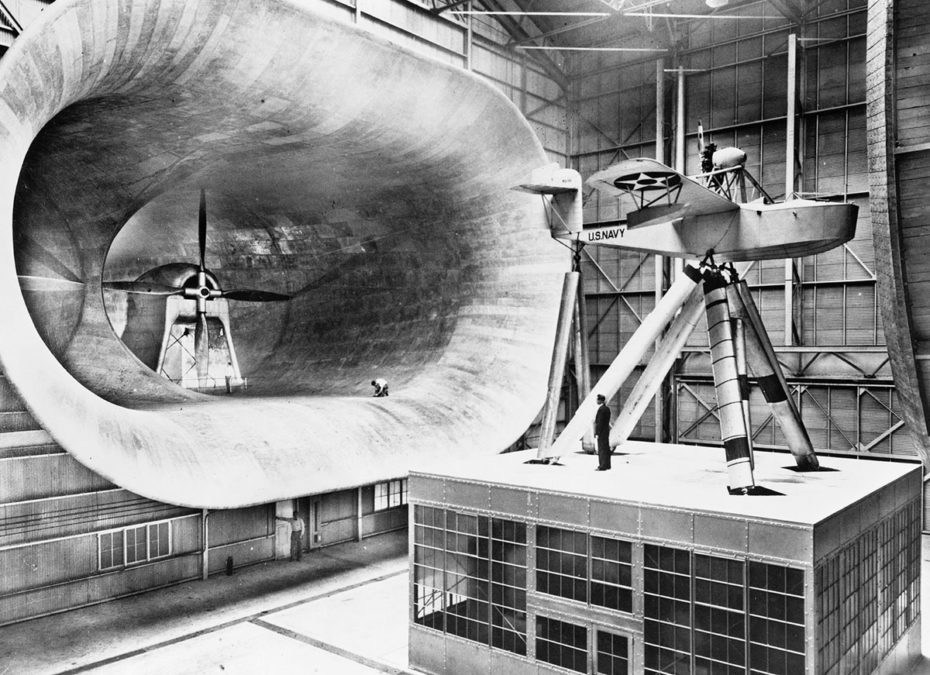
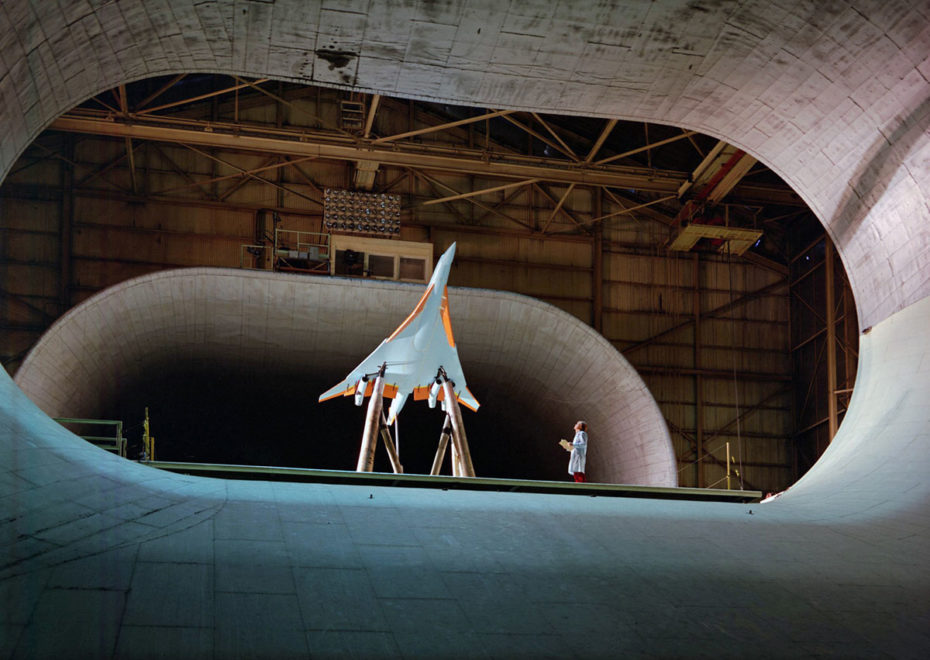
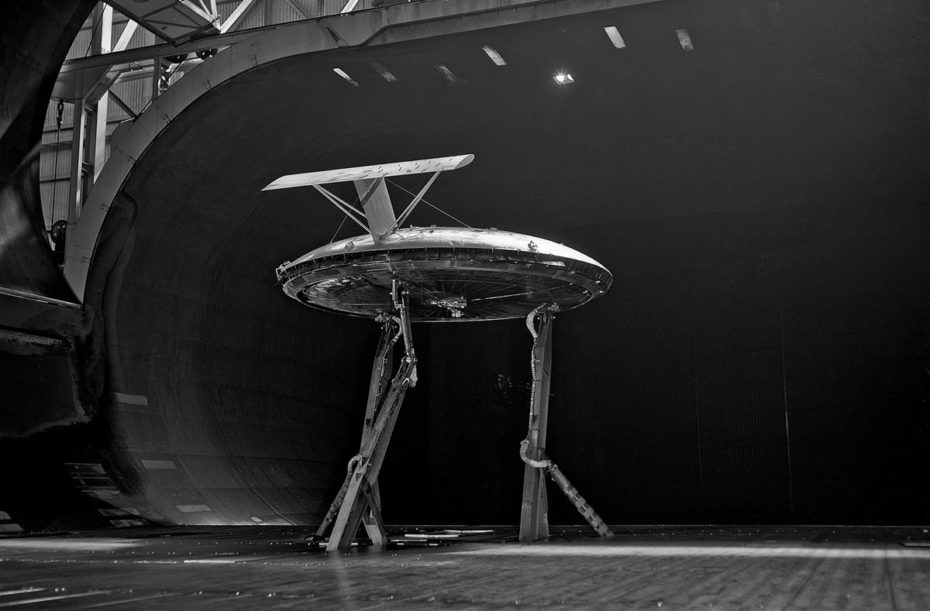
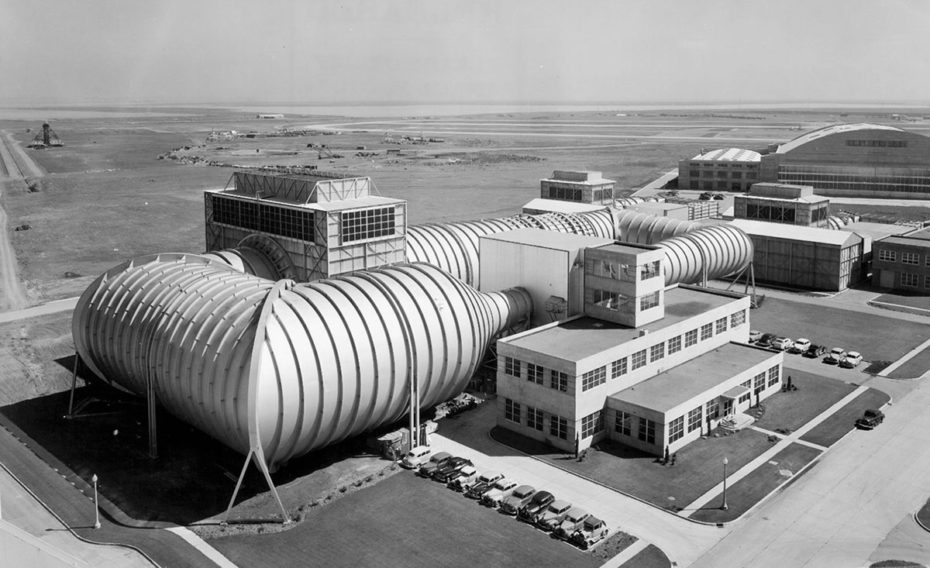
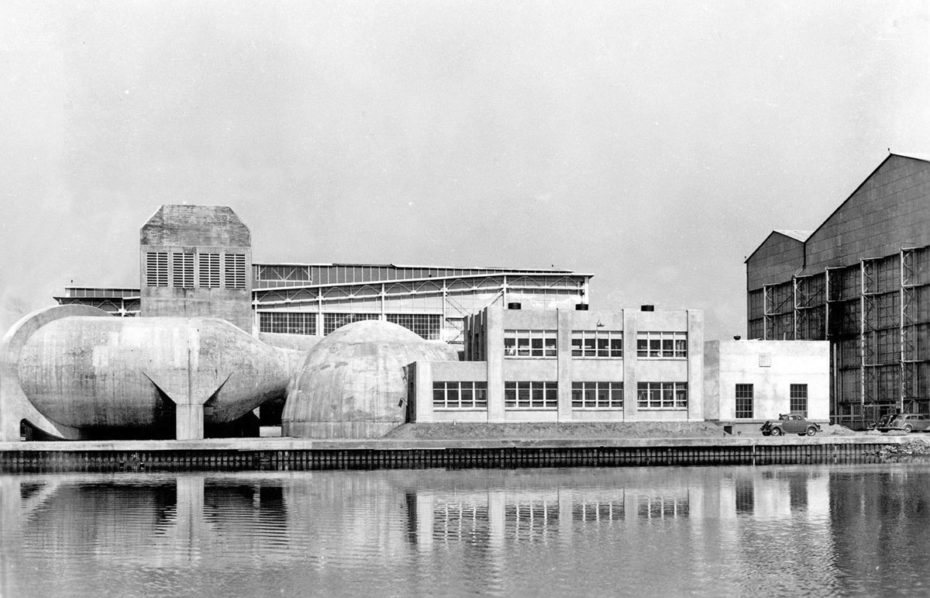
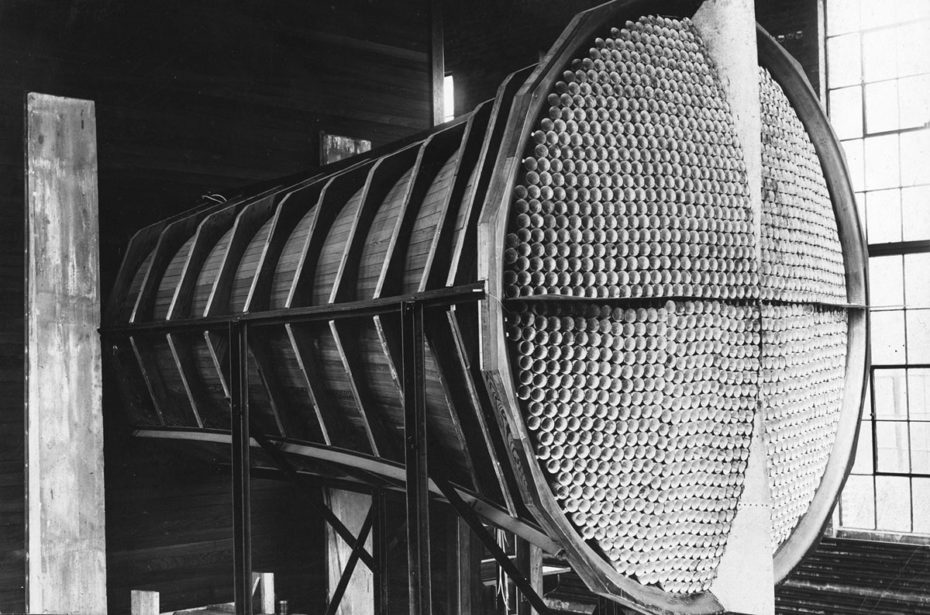
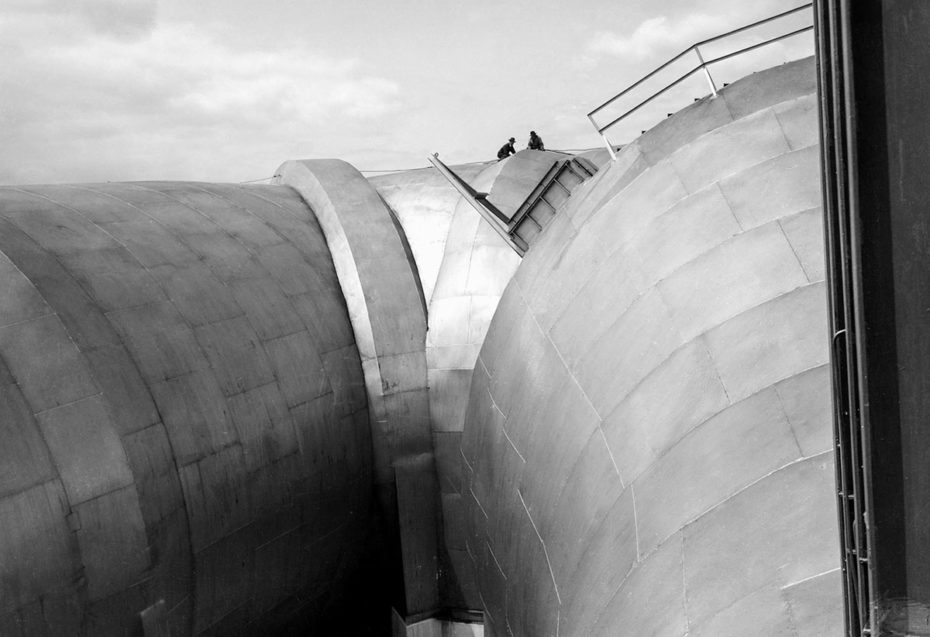

Throughout the 20th century, NASA (and its predecessor, NACA) made extensive use of gigantic wind tunnels to test and refine designs for airplanes, spacecraft, and many other vehicles and structures in efforts to make flying safe… The largest, still in operation, is the 80-foot by 120-foot tunnel at NASA’s Ames Research Center.
Full article, compiled by The Atlantic.
3. One of the most overlooked dance sequences in the history of American film-making
Performed by the Nicholas Brothers (who enter at the 1m30 mark) in Stormy Weather, 1943.
Fayard and Harold excelled in a variety of techniques, including a highly acrobatic technique known as “flash dancing”. With a high level of artistry and daring innovations, they were considered by many to be the greatest tap dancers of their day … Growing up surrounded by vaudeville acts as children, they became stars of the jazz circuit during the Harlem Renaissance and performing on stage, film, and television well into the 1990s. –Wikipedia.
4. Oil paintings of old American neon
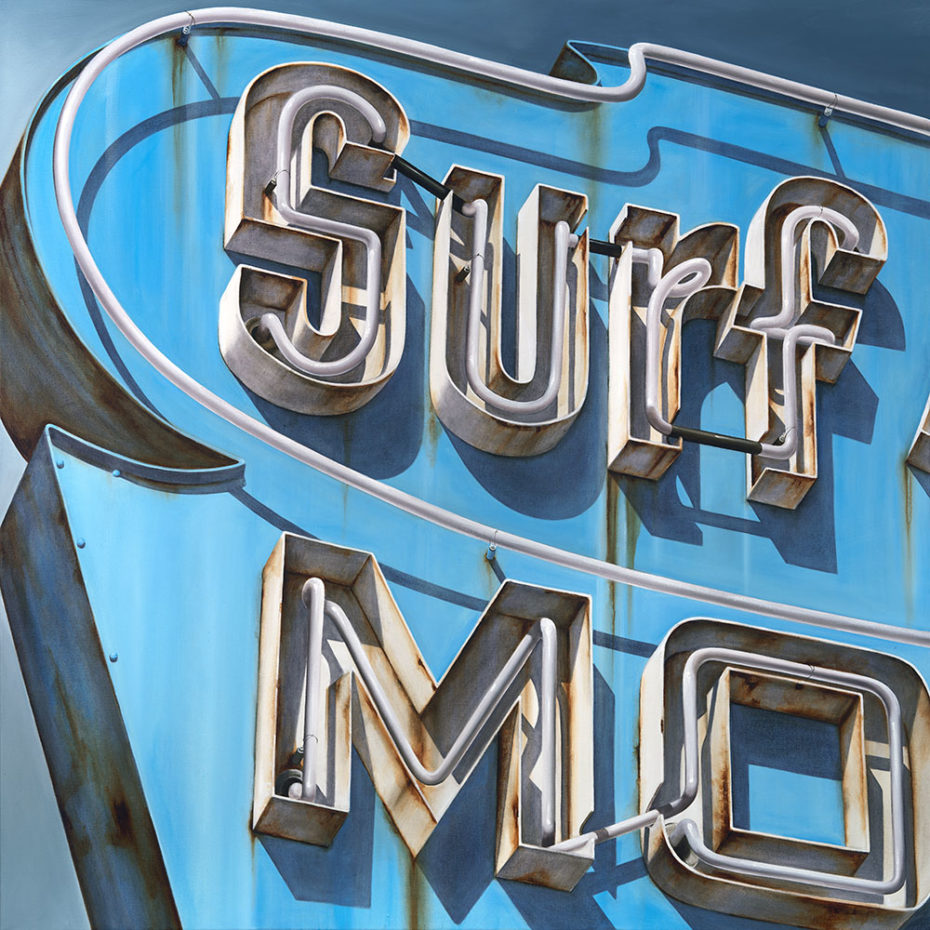
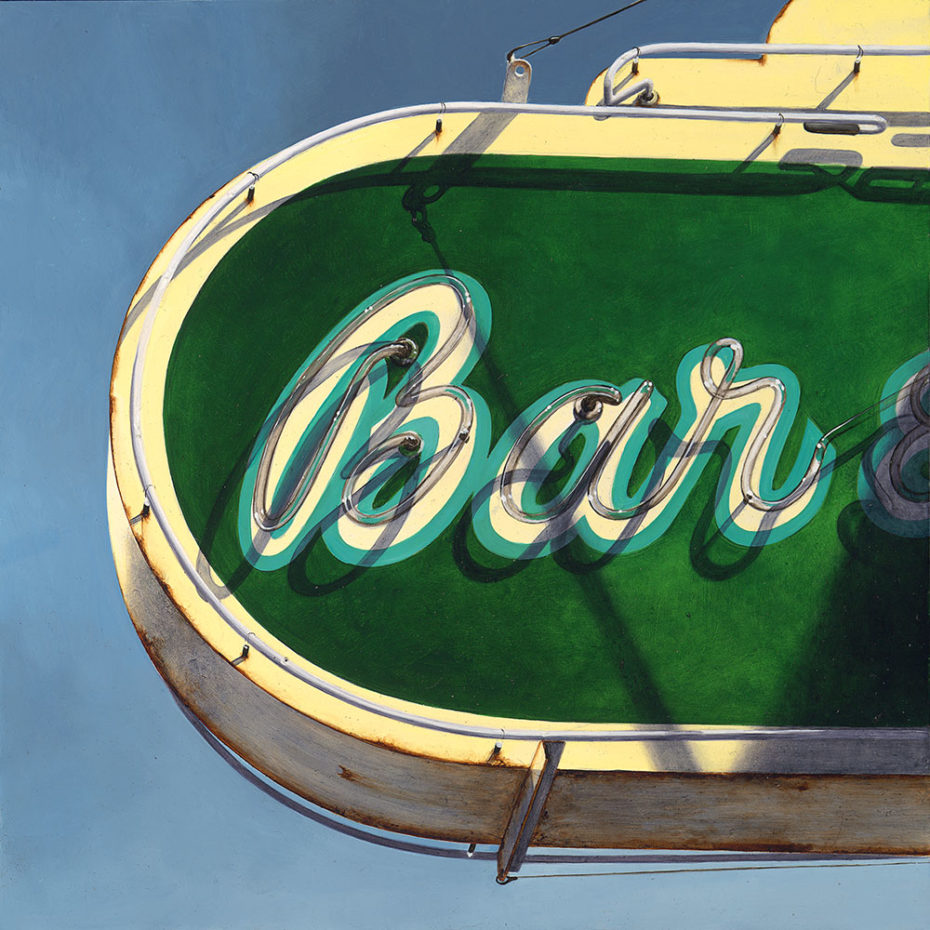
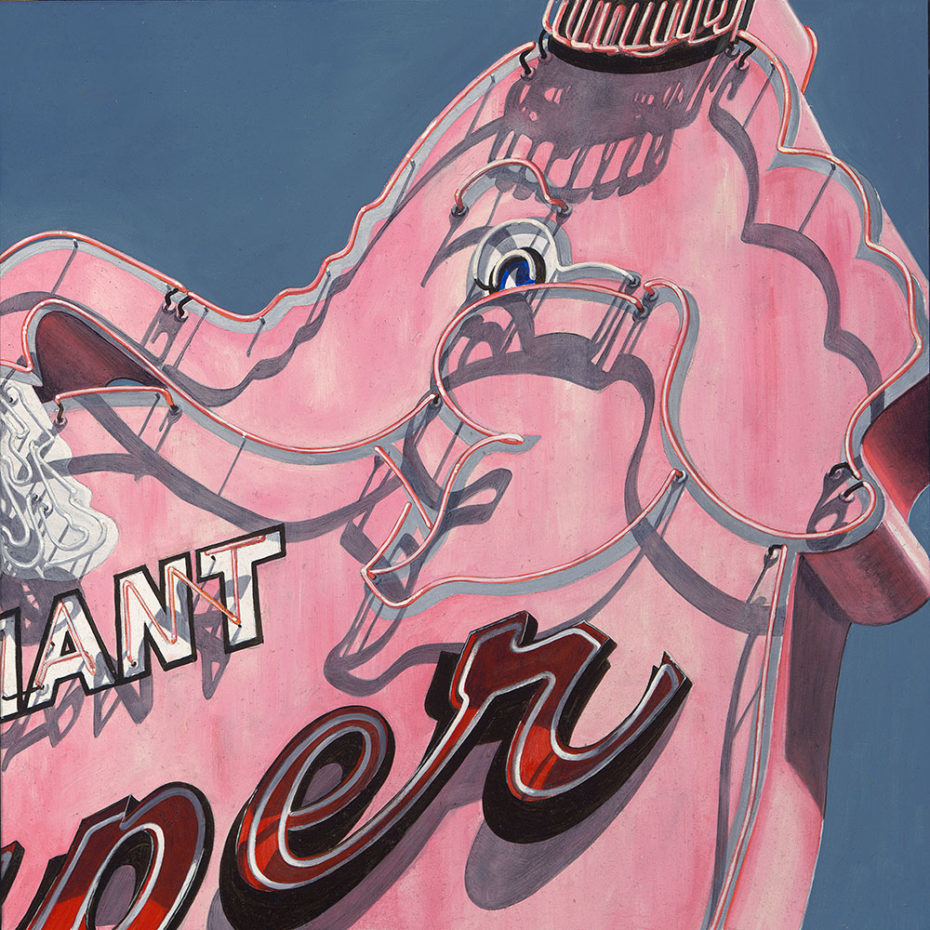
by Kellie Talbot.
5. New York City’s last remaining column factory
6. Royal Neighbors of America, one of the largest women-led life insurers in the USA
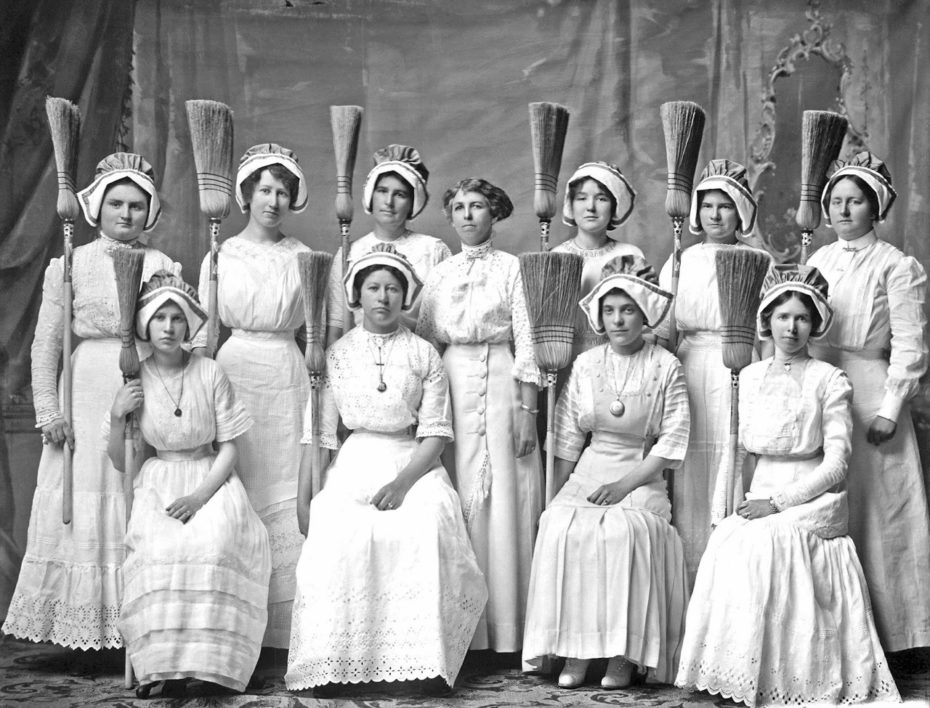
The early members of the Society were ahead of their time. In addition to providing life insurance for women, they stood firmly behind the women’s suffrage movement. Royal Neighbors was also one of the first fraternal societies to insure children and recognize mortality studies establishing the fact that women live longer than men, and to reflect that difference in life insurance premiums.
Found on Wikipedia.
7. The American Woman Who Married the Eiffel Tower
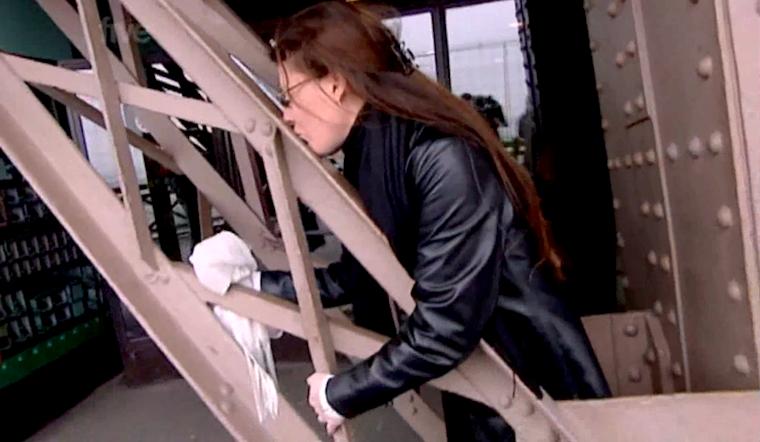
Erika “Aya” Eiffel (née Erika Labrie), is an American woman who famously “married” the Eiffel Tower in a commitment ceremony in 2007. She first encountered the Eiffel Tower in 2004, and felt an immediate attraction. She told ABC News that she and others feel an innate connection to objects. It comes perfectly normal to us to connect on various levels, emotional, spiritual and also physical for some. She is founder of OS Internationale, an organization for those who develop significant relationships with inanimate objects. She claims that her object relationship with Lance, her competition bow, helped her to become a world-class archer. Her 20-year relationship with the Berlin Wall inspired the musical theater production “Erika’s Wall”. – Via Wikipedia.
Learn more about her story in this interview.
8. A 1929 guidebook aimed at American women traveling to Paris
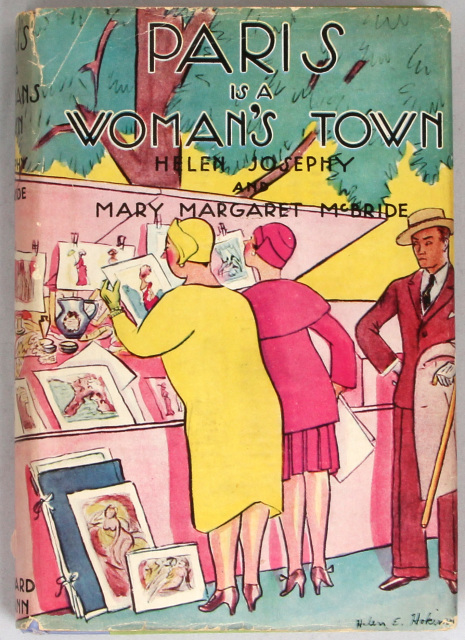
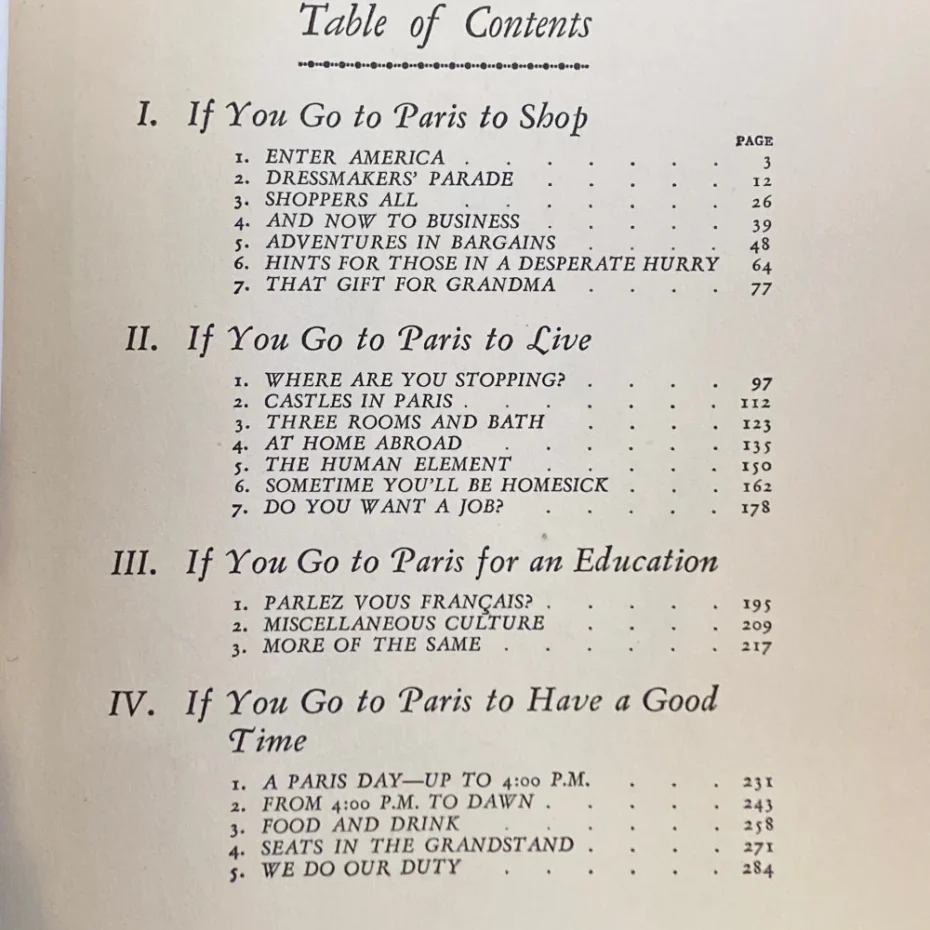
Cover art for Paris is a Woman’s Town, by Helen Josephy and Mary Margaret McBride (1929), published as a guidebook aimed at American women traveling to Paris. A chapter on daytime fun starts with 5 pages of tips on finding and hiring the best gigolo. If you’re interested in what it was like to shop for expensive Paris clothing in 1929, or in what it might have been like to be an American woman traveling solo in 1929, this is a firsthand source that’s worth a look if you can find it. It’s part of a three-city trilogy (not unlike the Don’t be a Tourist series) to London is a Man’s Town and New York is Everybody’s Town.
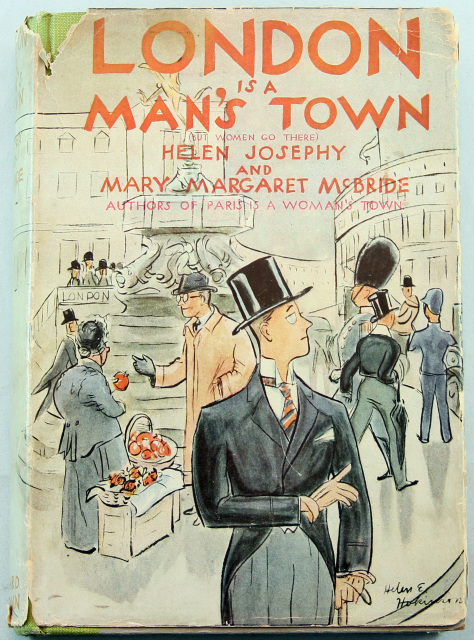
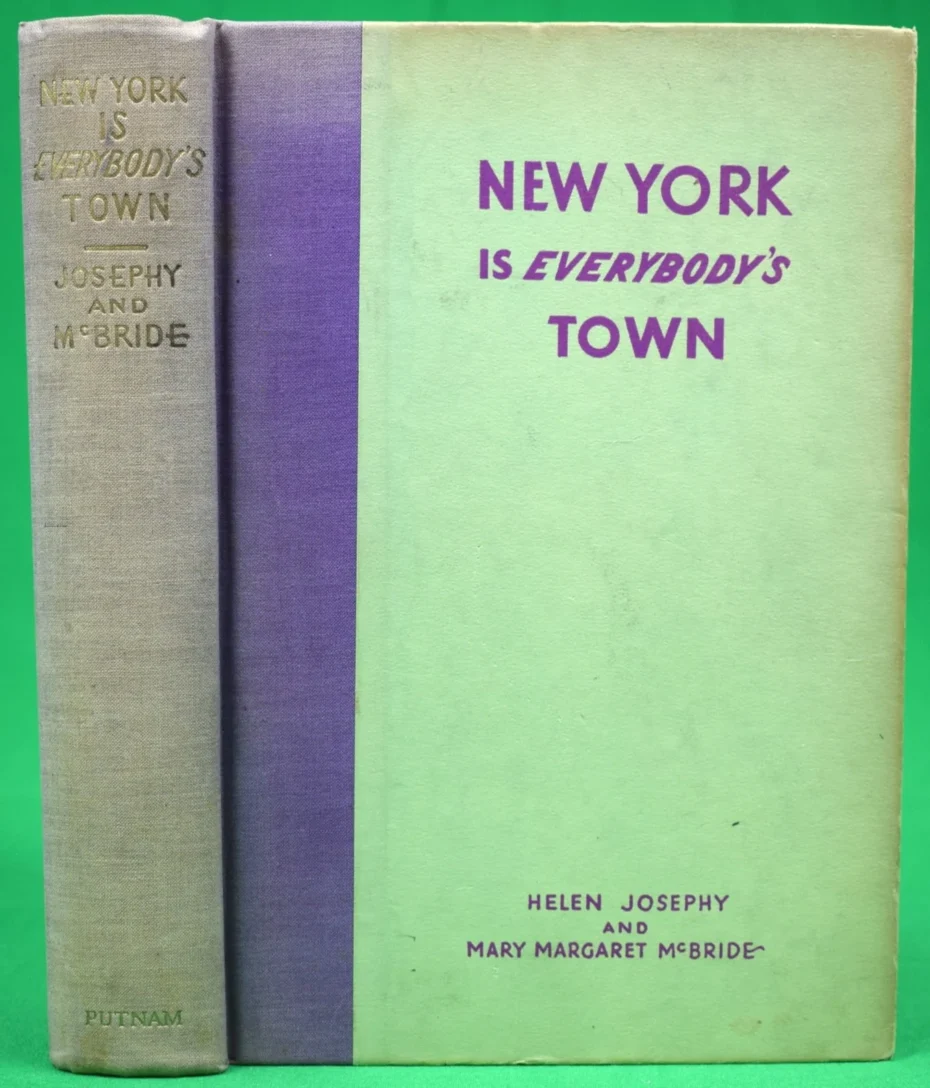
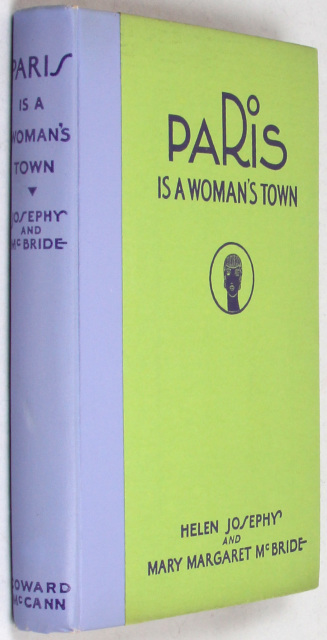
All extremely rare books, but here is the Paris edition digitised for online reading.
9. In 1913, American caricaturist Alfred Frueh sent a love letter to his fiancée that unfolded into a miniature art gallery, preparing them for the “gallery marathon” awaiting them on their upcoming trip to Paris
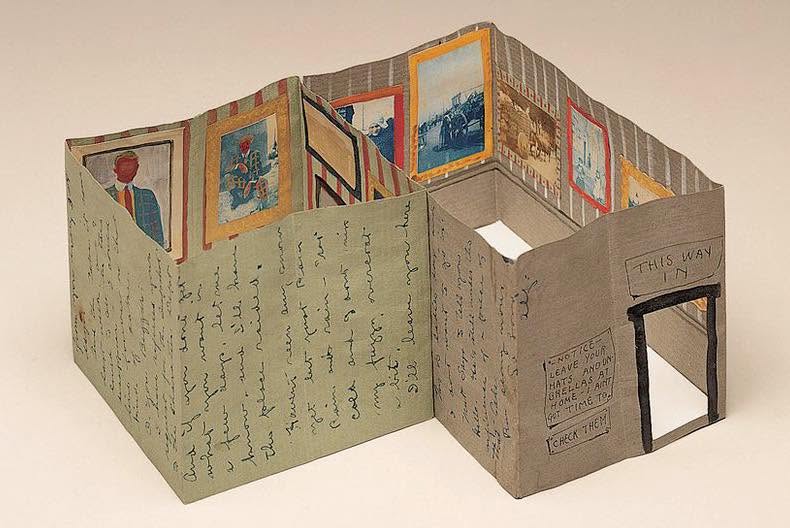
The document is currently preserved within the Archives of American Art at the Smithsonian Institution. It remains a favourite among historians for its wit, charm, and the way it captures the early 20th-century excitement of the “Grand Tour” through a modern, artistic lens. You can explore it digitally here.
10. American Painter, Edward Hopper in Paris
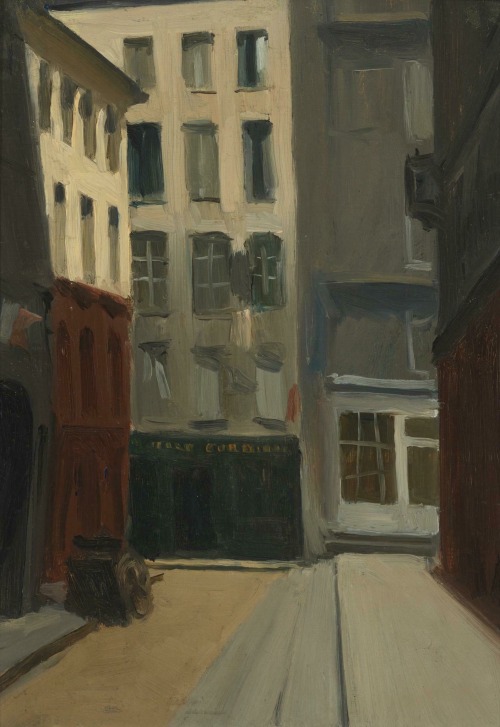
Unbeknownst to many, Hopper moved to Paris in October 1906 where he found a room in a widow’s apartment at 48 Rue de Lille in the seventh arrondissement. These are a few of his works from his French years, which have had little public exposure.
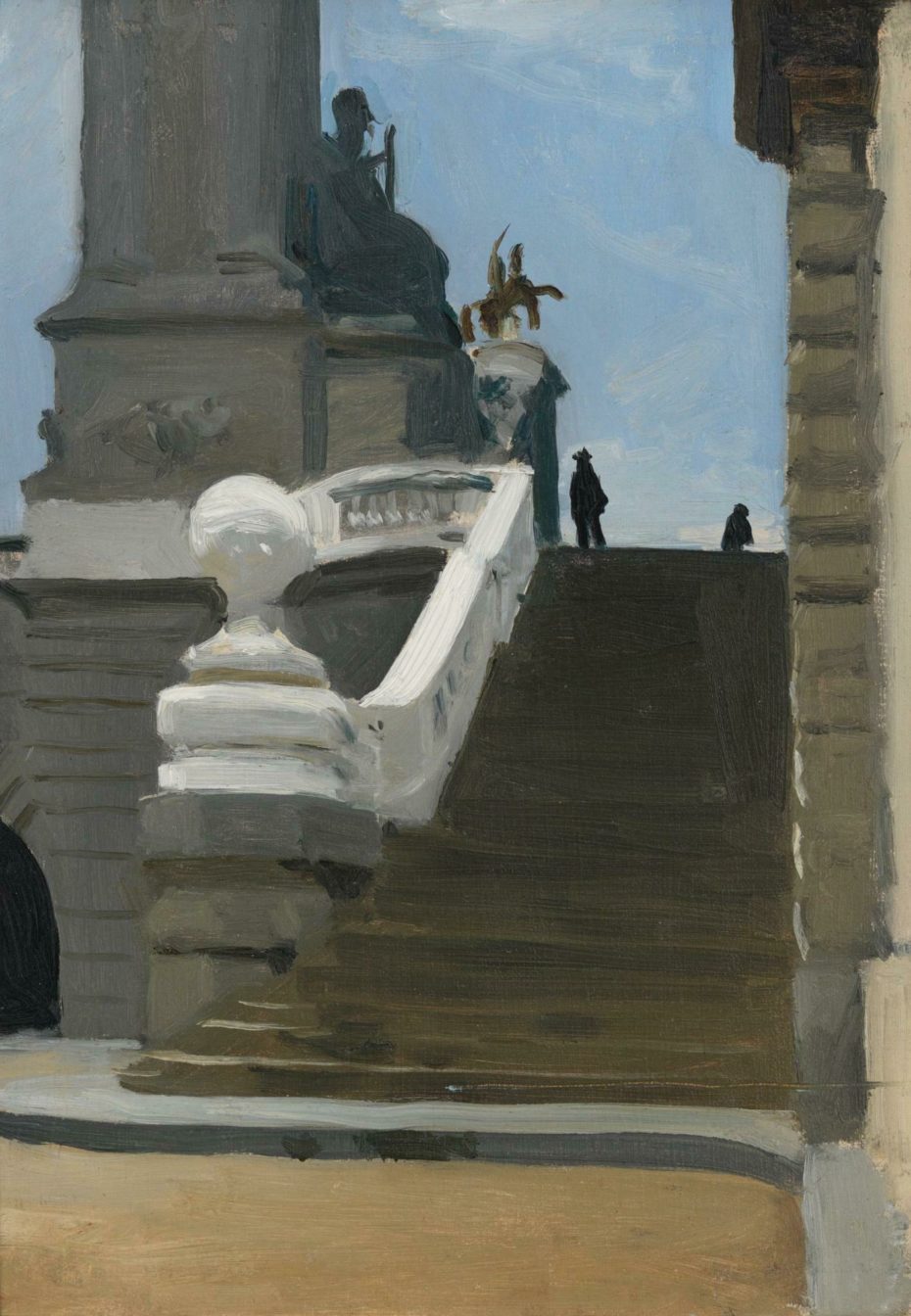
Hopper worked outdoors just like the Impressionists. He wandered along the riverbanks, lost himself in the Latin Quarter, and sketched women wearing crinoline dresses, men in top hats, prostitutes and their pimps in the cafés around Belleville, soldiers standing to attention, caped police officers, laborers playing cards, and boatmen on the Seine.
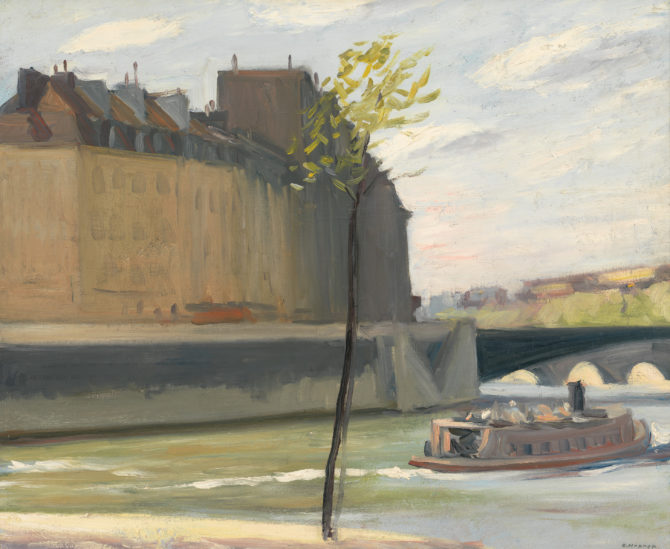
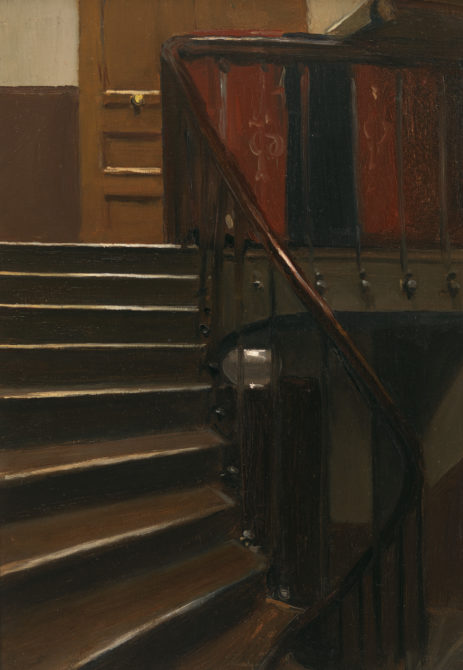
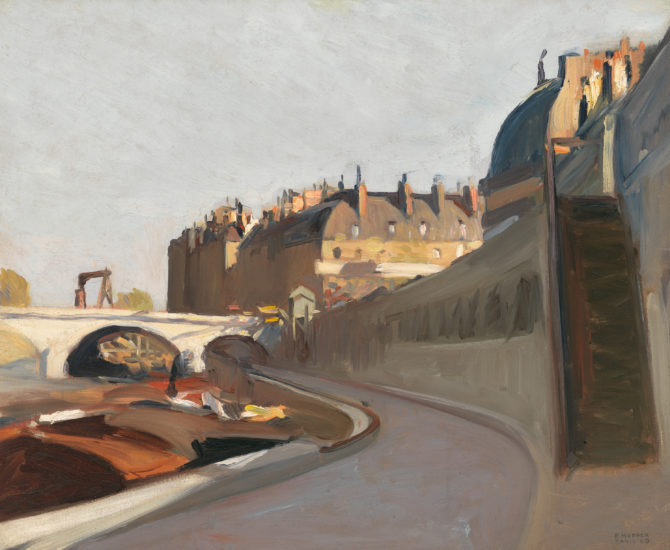
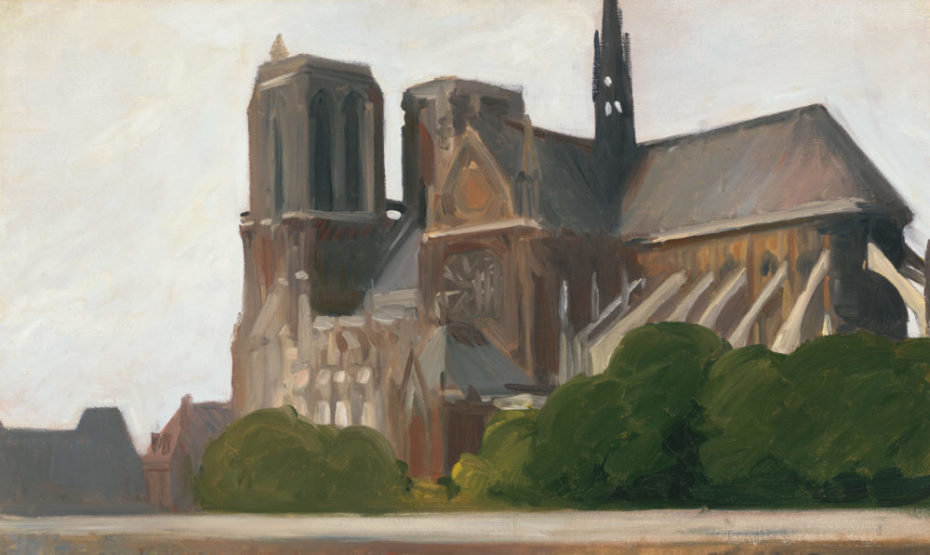
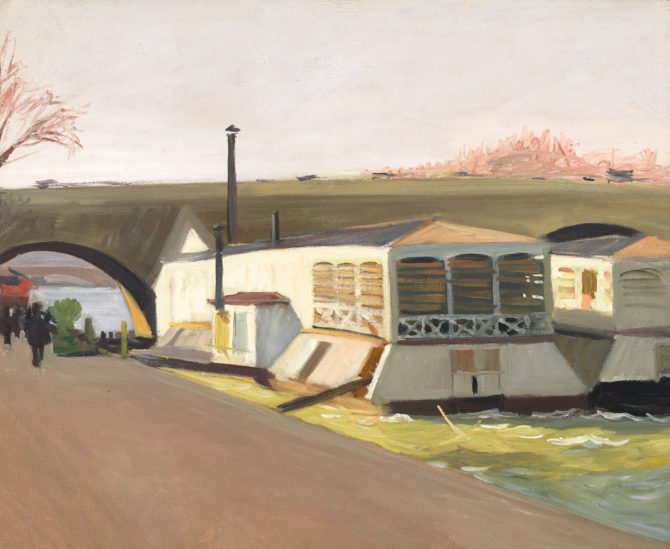
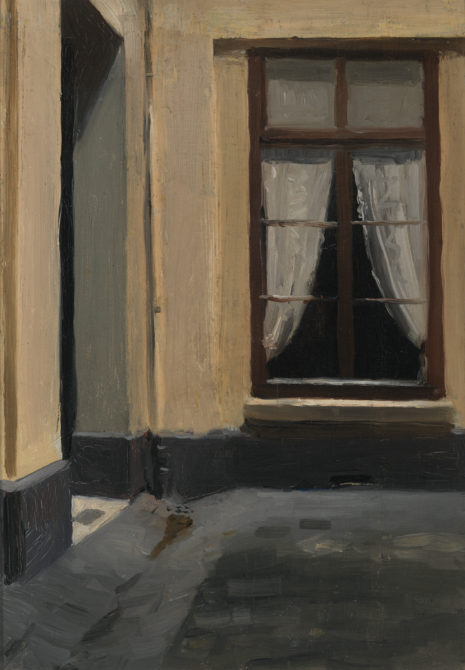
The painter visited France three times between 1906 and 1910. However, his Parisian works — some forty oil paintings, around thirty watercolors, and a wealth of sketches — were denigrated by American critics. National art was the flavor of the day, and Hopper was shouted down for his foreign influences. It was in this context that he claimed, “Paris had no great or immediate impact on me.”
Found on Parisian Fields.
11. An American soldier from a small village enters the Palace of Versailles shortly after the liberation of France during World War II
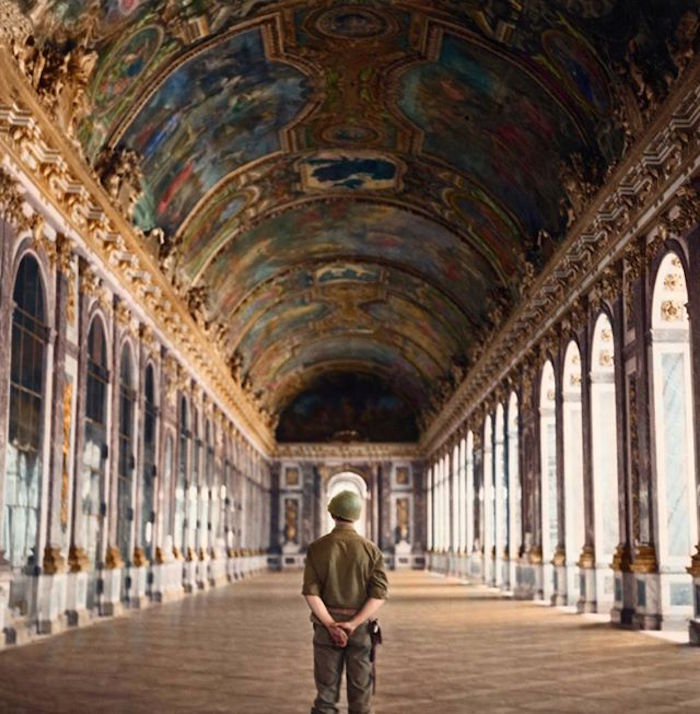
Found on Reddit.
12. Vintage Posters That Convinced Americans to Help Displaced Syrians During WWI
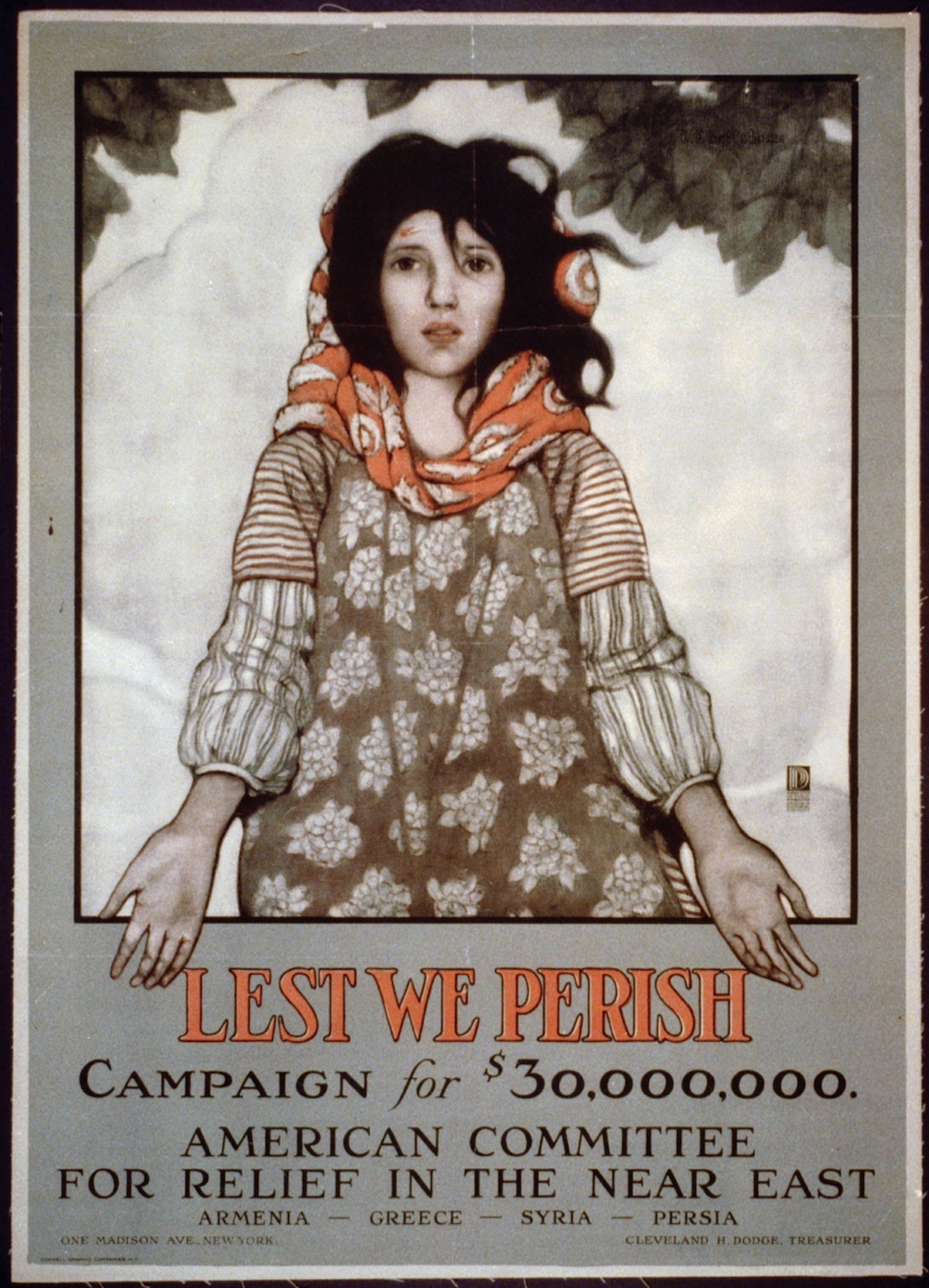
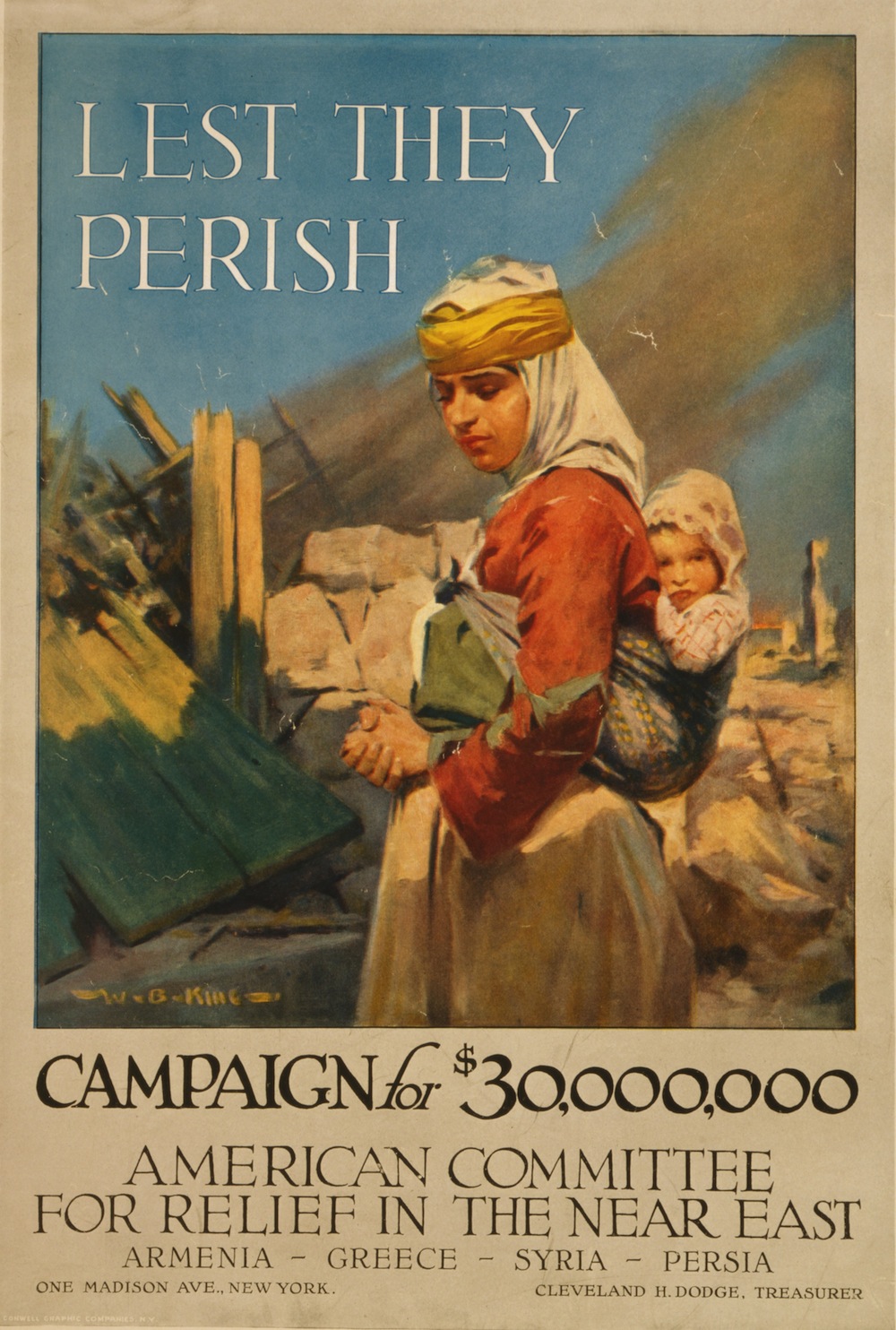
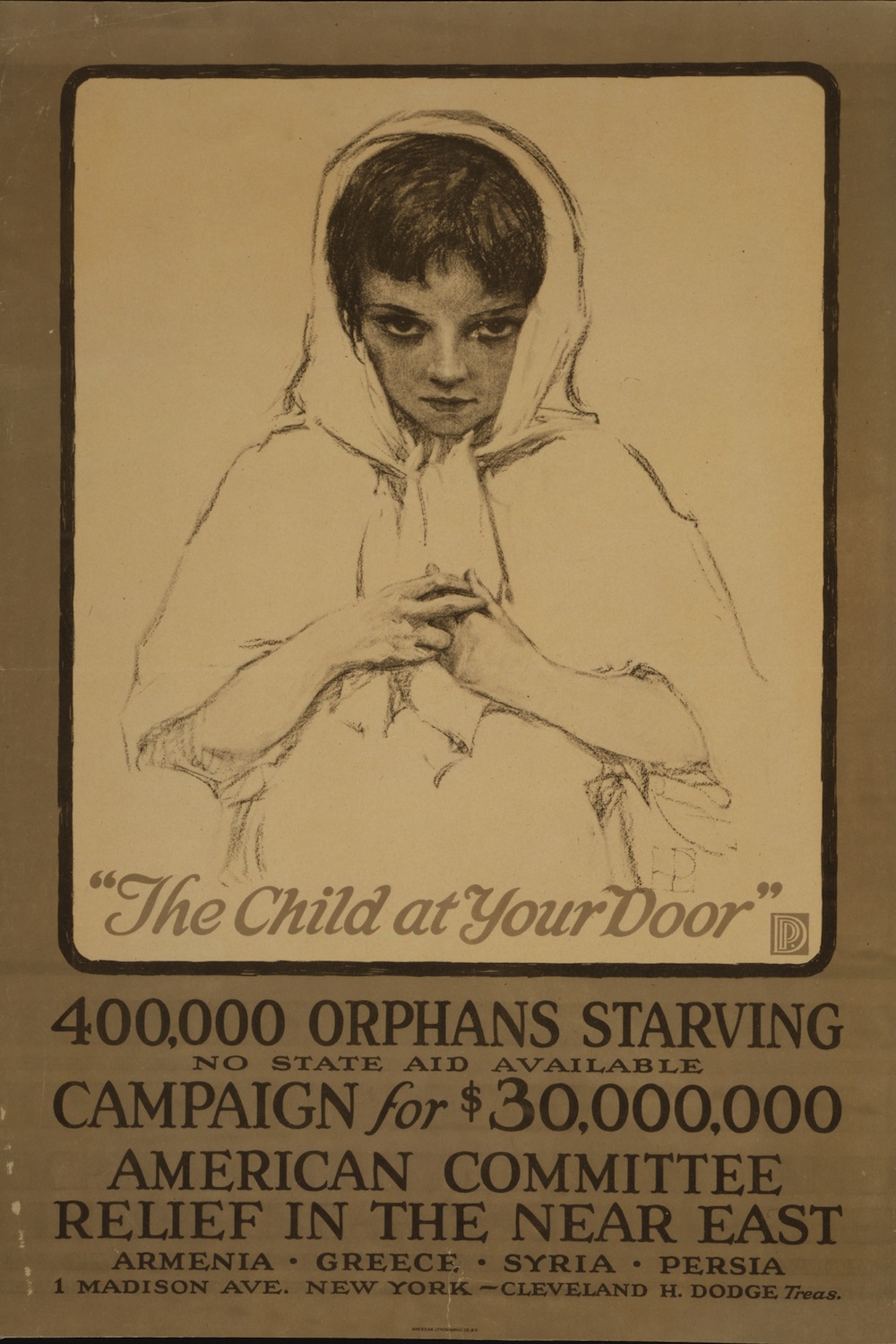
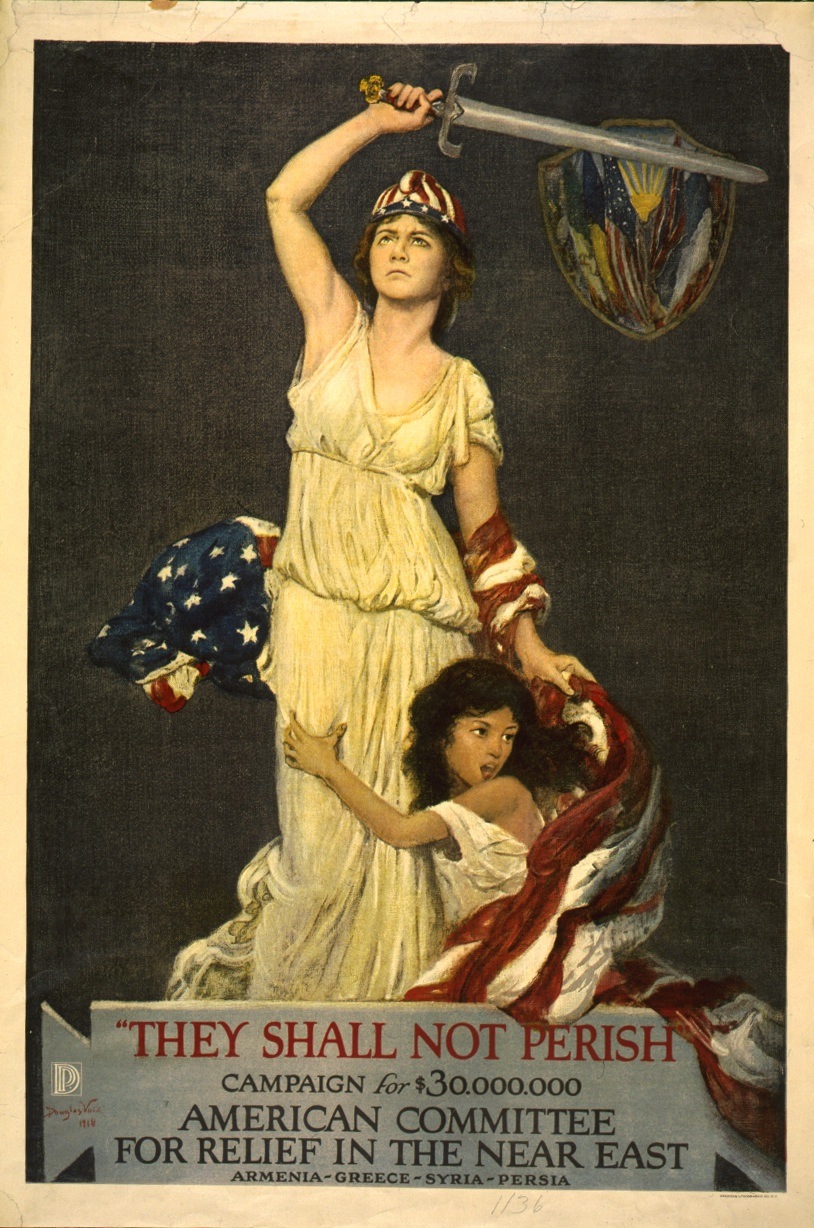
The American Committee for Relief in the Near East, which put these posters in circulation in the last years of World War I, began in 1915 as the American Committee for Armenian and Syrian Relief and was formed as a humanitarian response to the Armenian genocide and the dissolution of the Ottoman Empire. As World War I developed, the group began to offer food and shelter to displaced people in Syria, Persia (now Iran), and Greece.
More posters and full article found on Slate.