
1. An Idea for Decorating your Bathroom
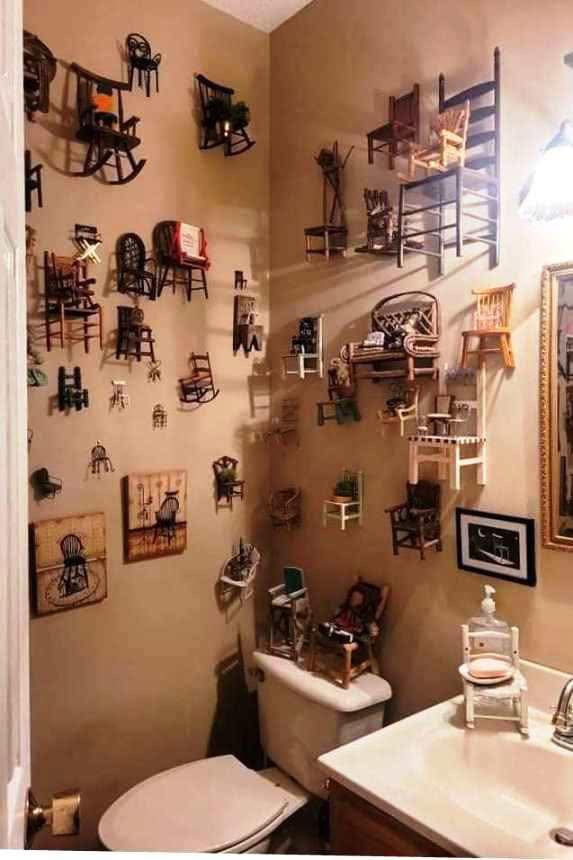
“I’d like to share my grandma’s half bathroom. She calls it ‘the sitting room’ and she has been collecting little chairs for YEARS and adding them to the walls. Sometimes when I was a little girl I’d try to count them all and always lost track. There are definitely over 100 in there, many of them chairs upon chairs.”
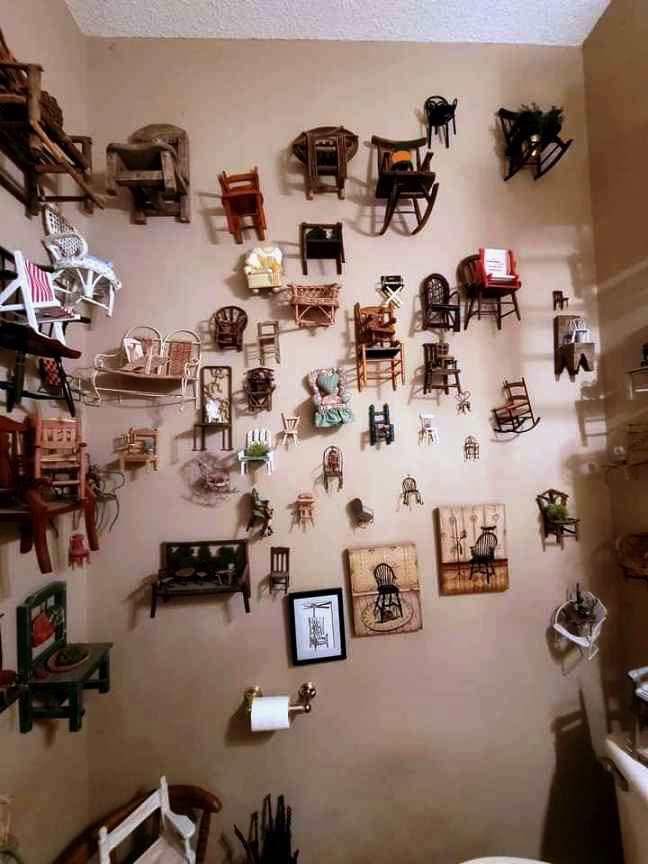
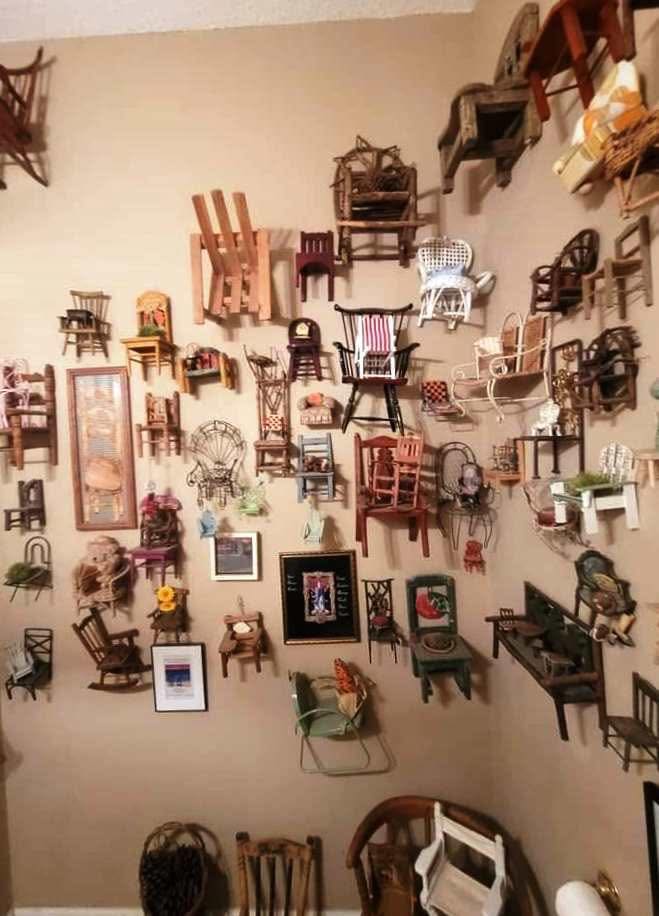
Just in case you needed an excuse to start a new collection obsession.
Found on Maximalist Design and Decor.
2. Are zines the last bastion of AI defence?
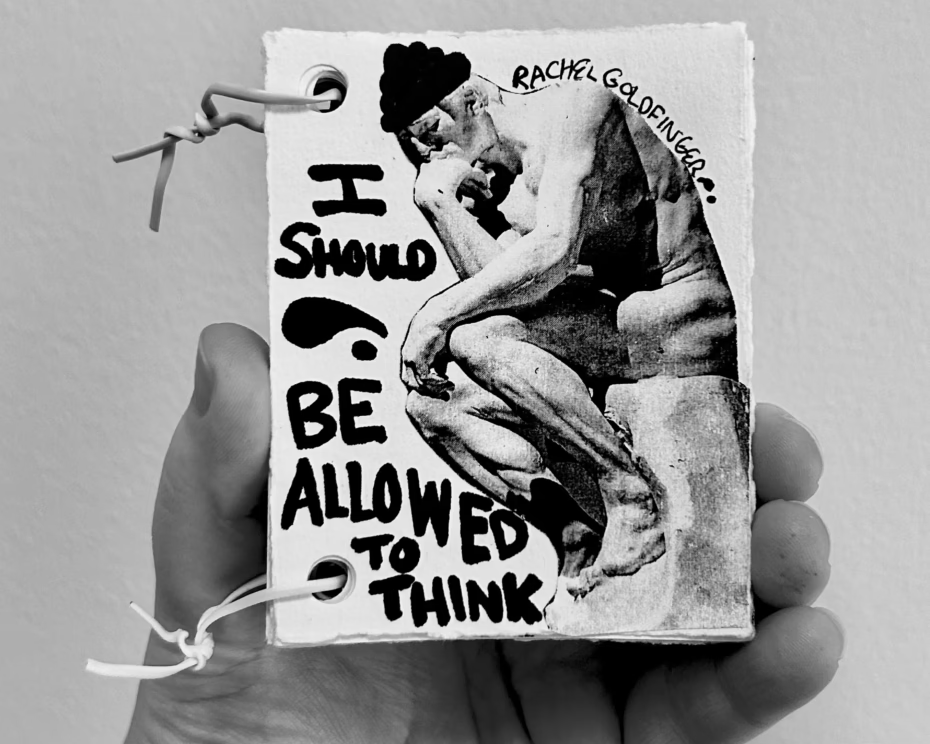
Artists and writers argue scrappy nature of self-published booklets is incompatible with artificial intelligence. ‘They’re supposed to be handmade’: zine creators fight to resist AI influence.
Read the full article in The Guardian here. And if you’re inspired, here’s a counterculture crash course in how to make a zine.
3. A really good online rare art bookshop
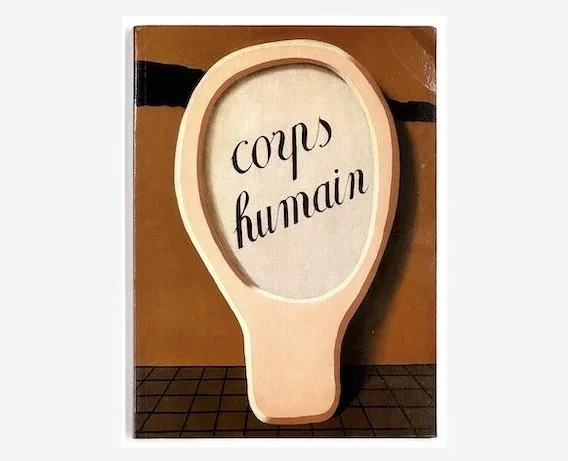
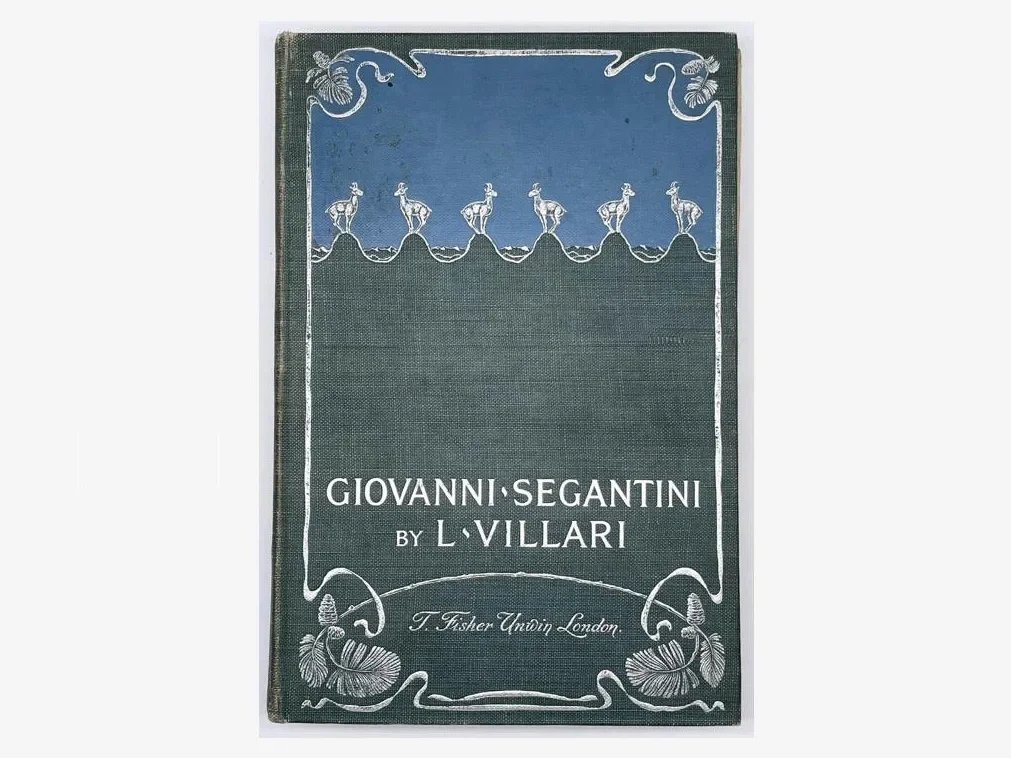
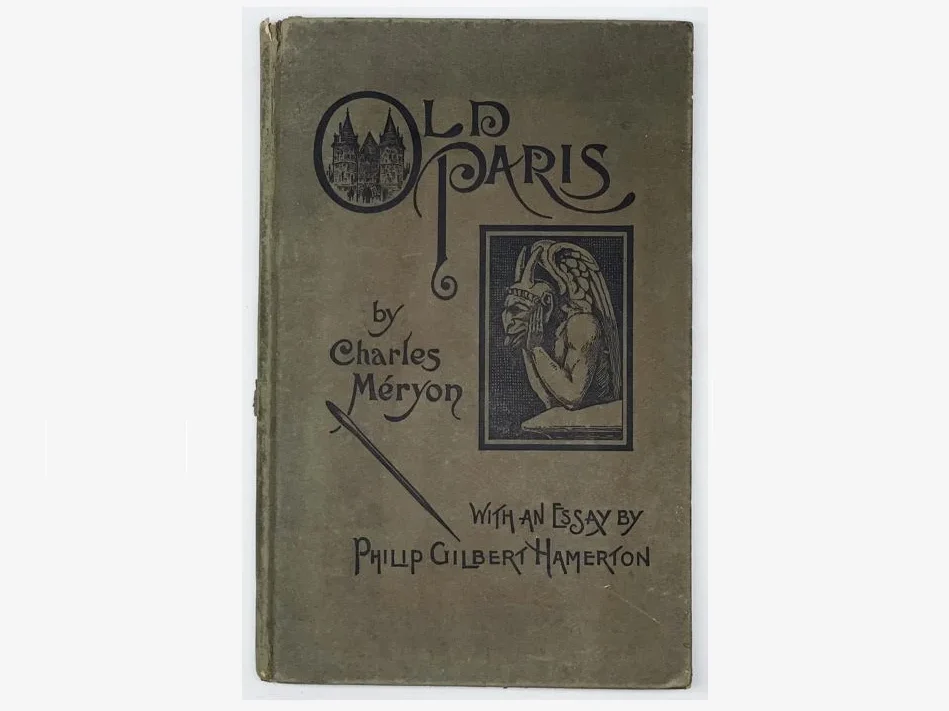
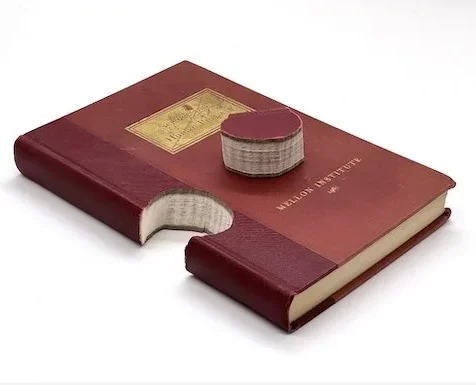
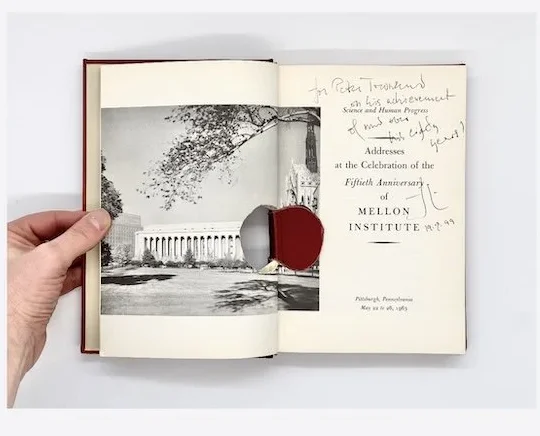
Browse Room & Books.
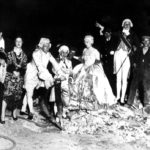
4. When Photography on Fabrics was all the Rage in 1947
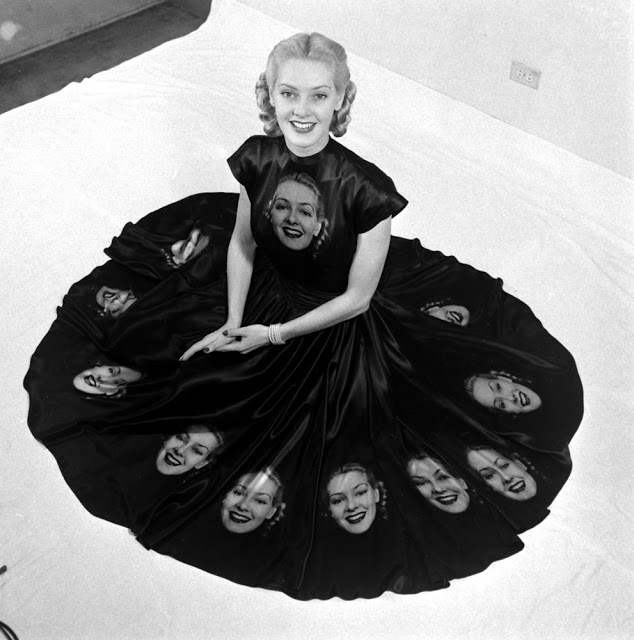
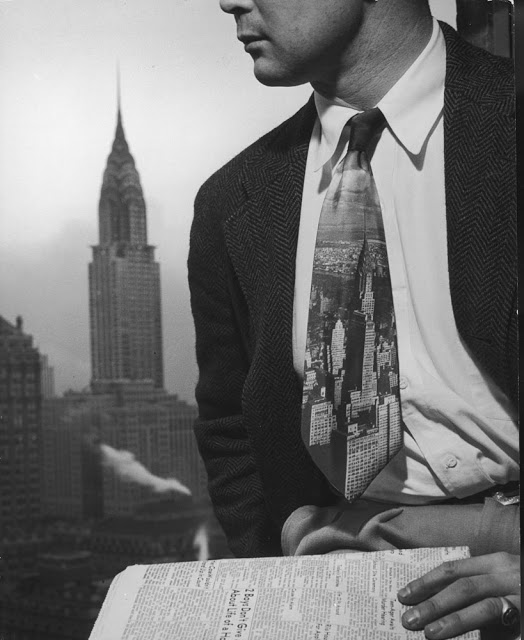
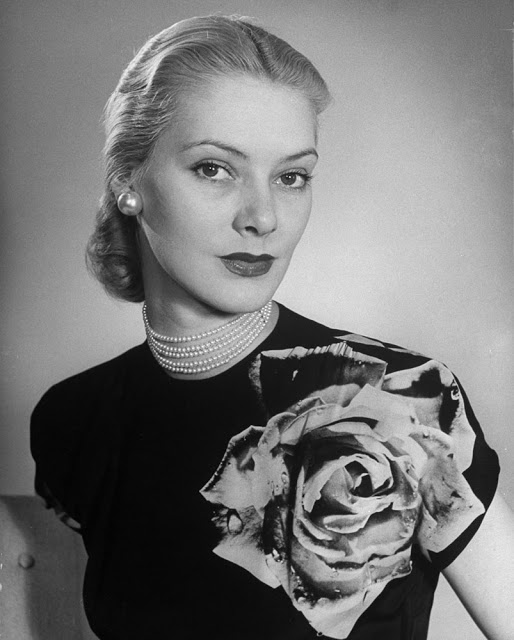
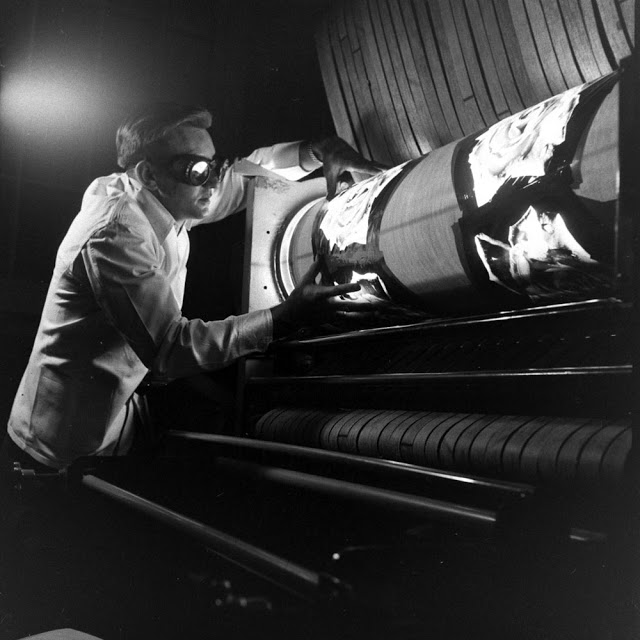
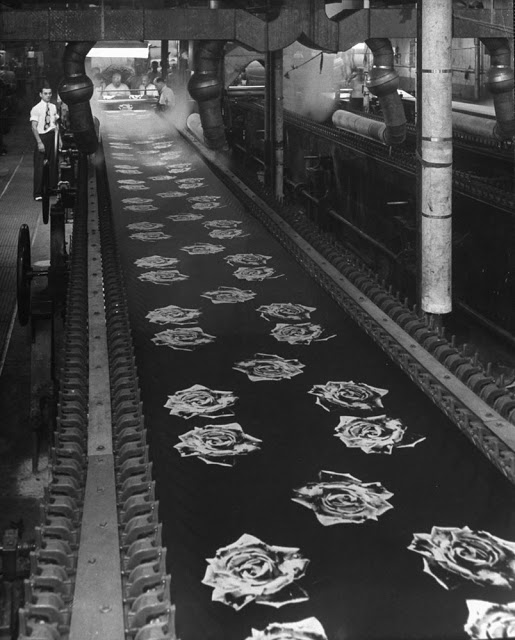
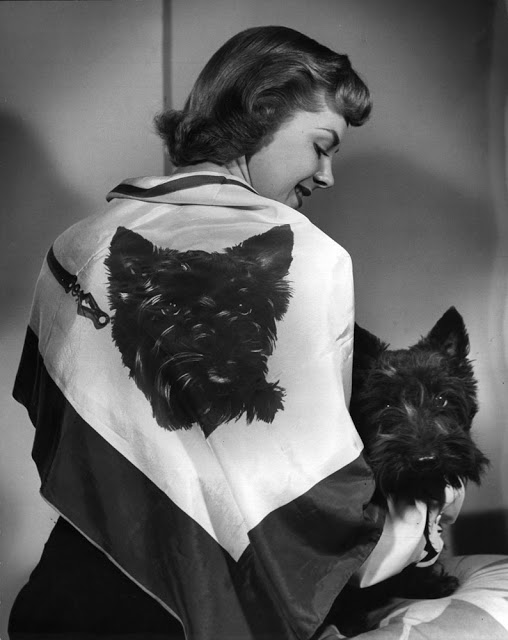
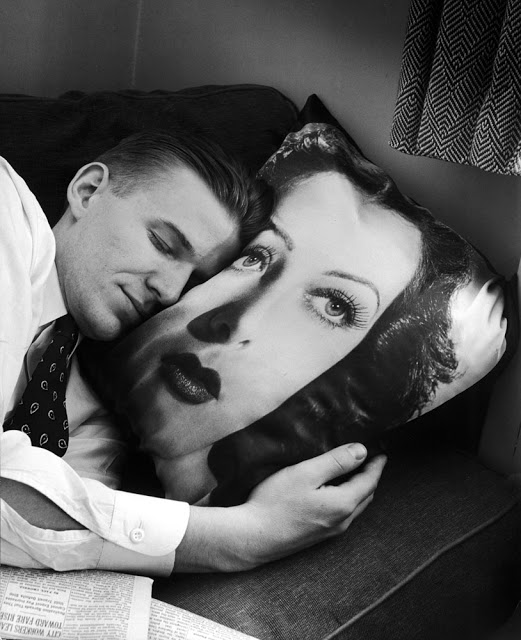
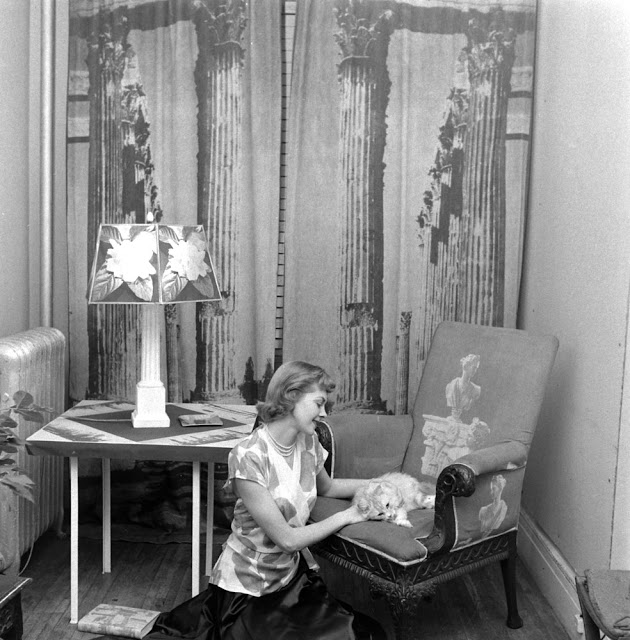
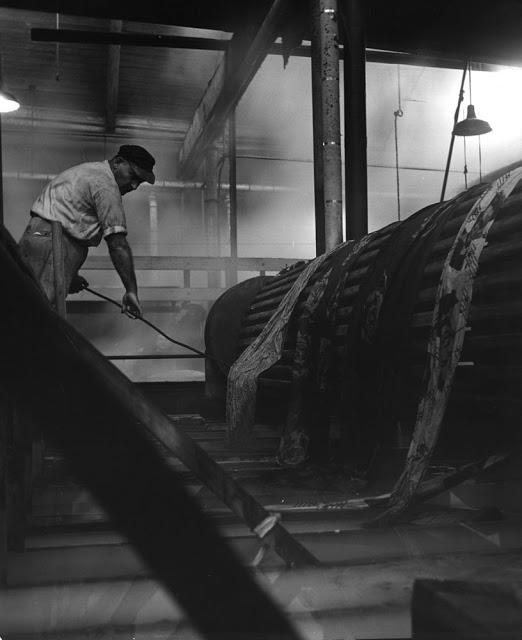
Find the full photostory by Nina Leen in the LIFE Archives.
5. The devil is in the detail of these 19th century still-lifes
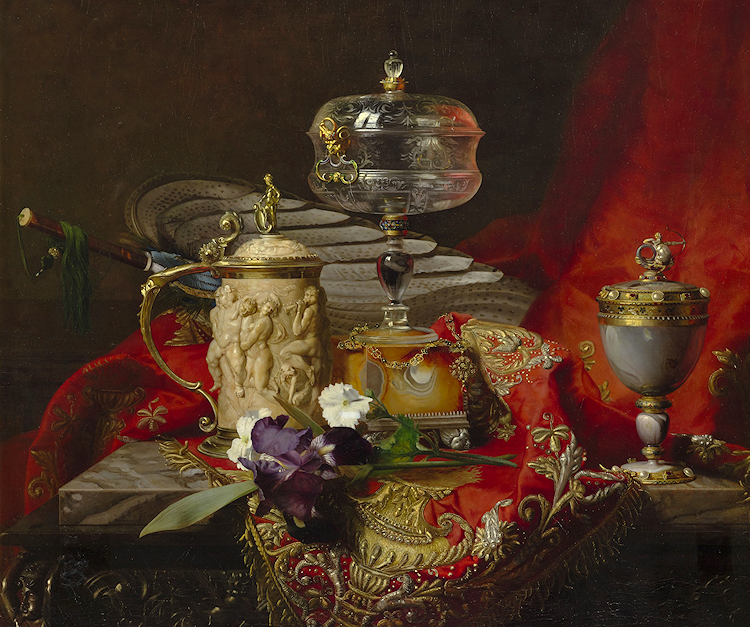
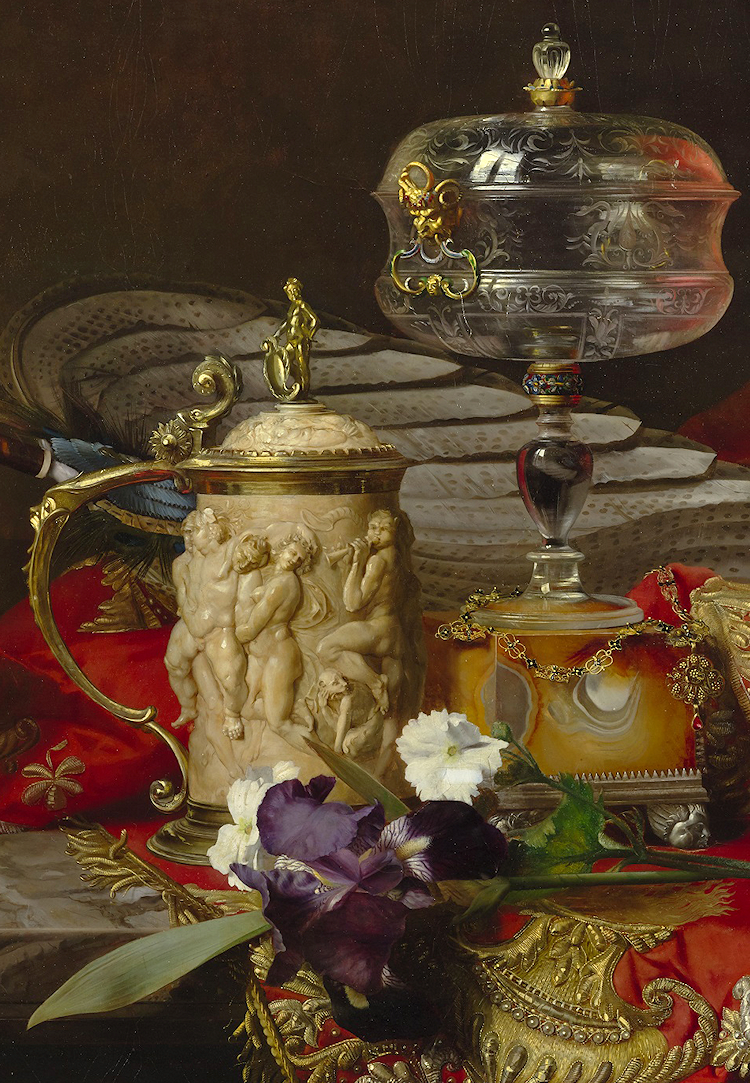
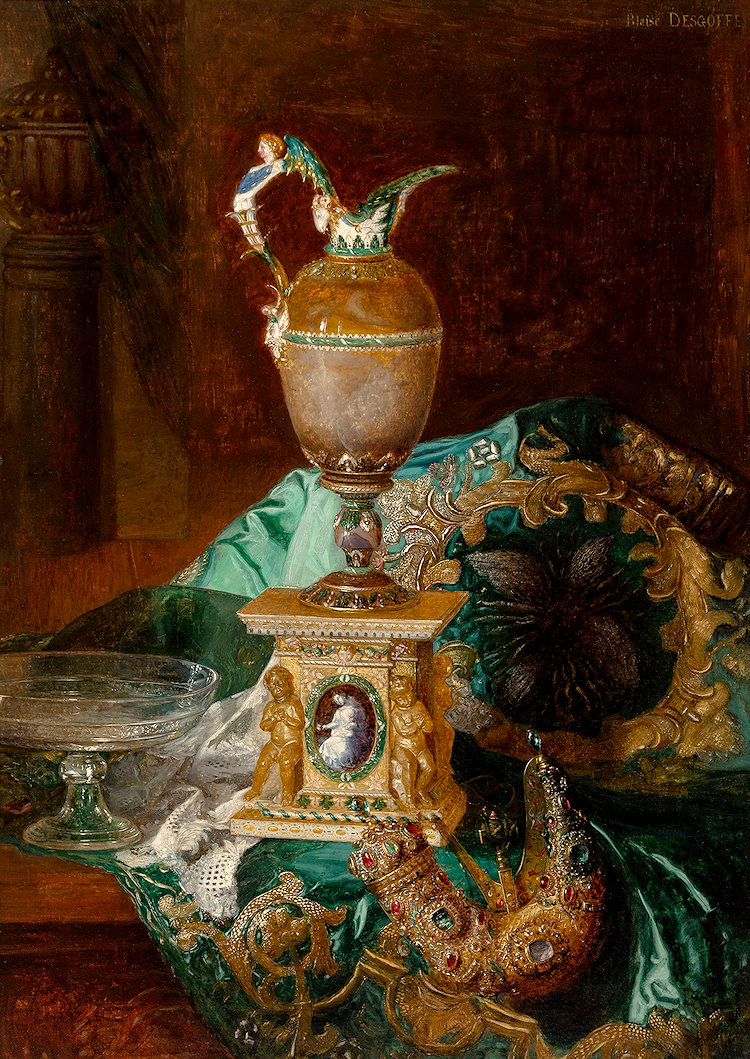
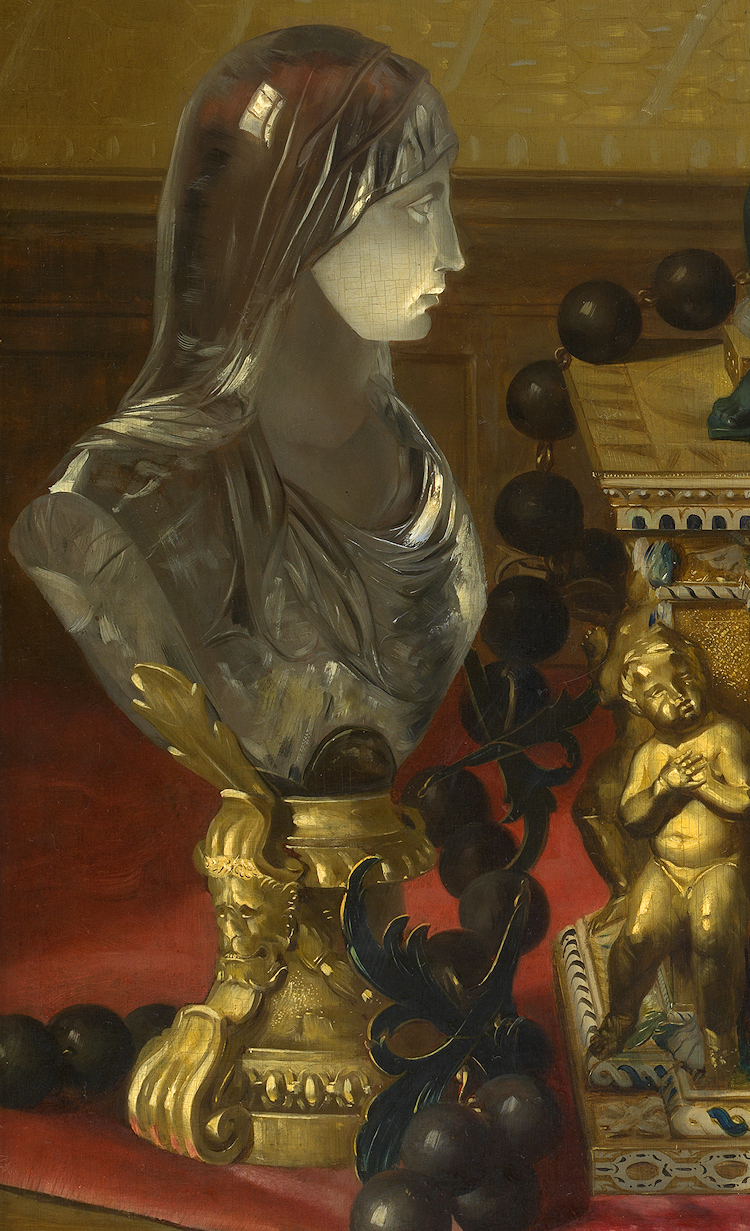
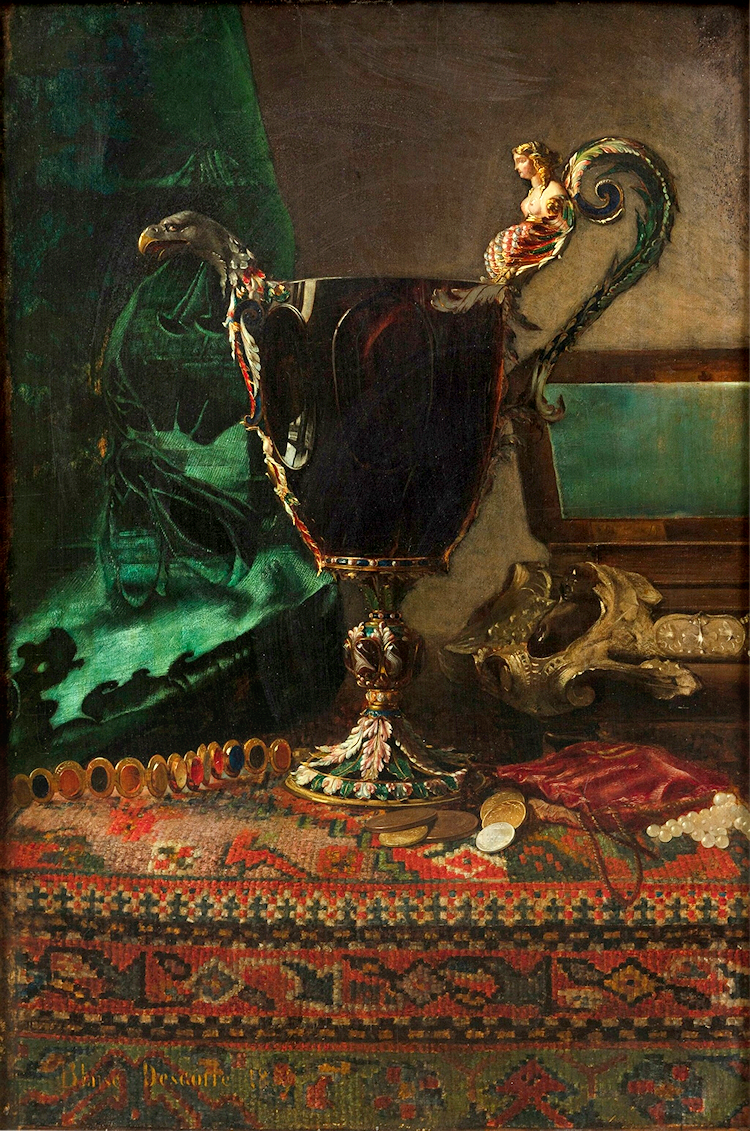
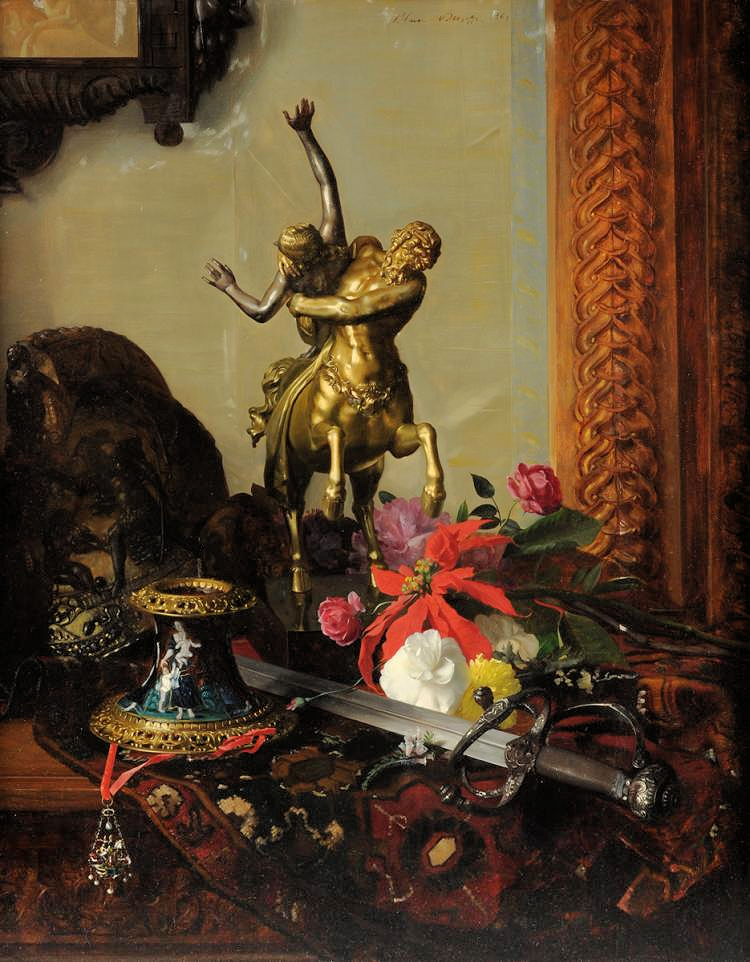
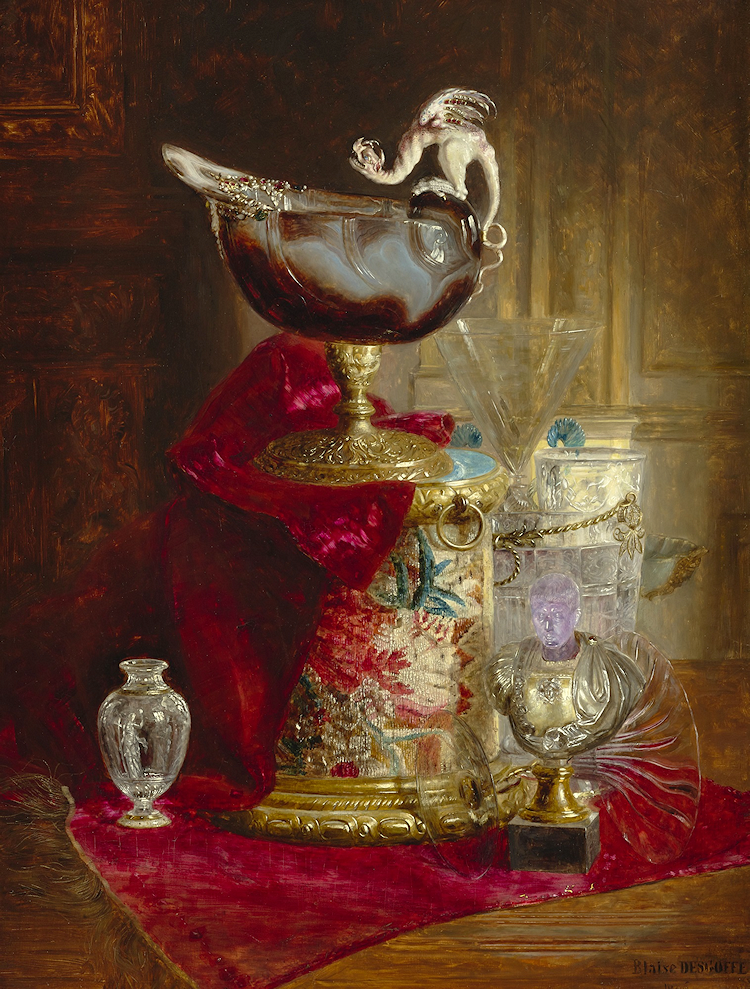
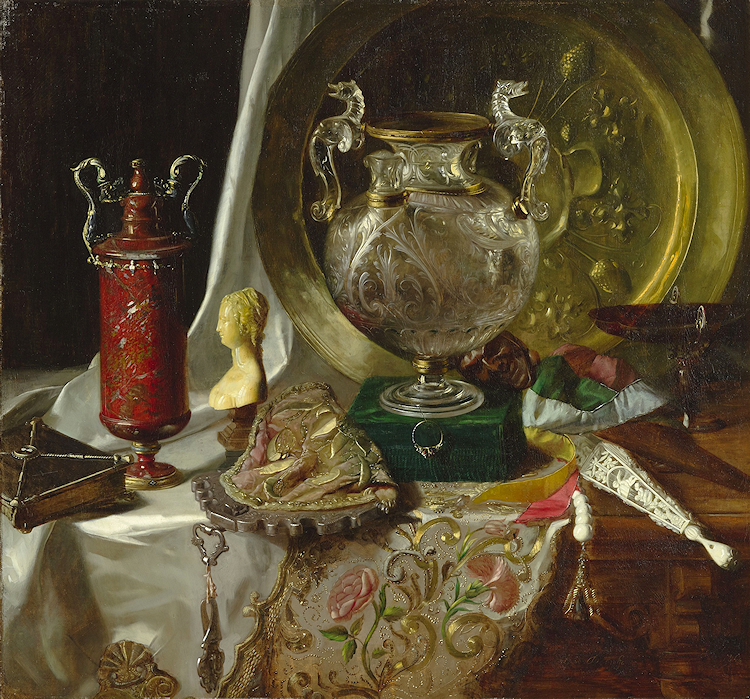
Works by Blaise-Alexandre Desgoffe, a French painter who specialized in highly finished, frequently very elaborate, still-life paintings. Found here.
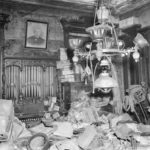
6. Inside London’s Most Colourful Shop
Read the lovely article in the Observer here.
7. Africa’s Unknown City of Modernist Architecture
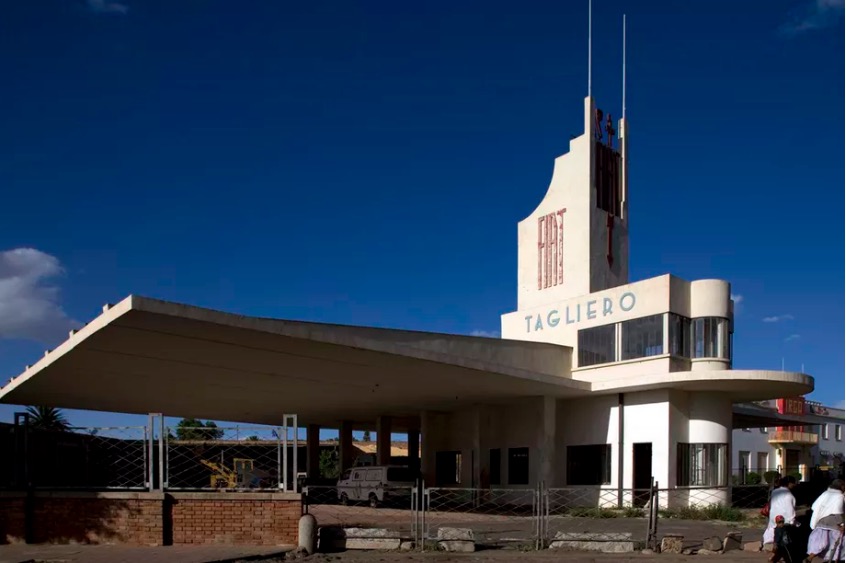
Welcome to Asmara in Eritrea. This unique architectural gem was just named a UNESCO World Heritage Site.
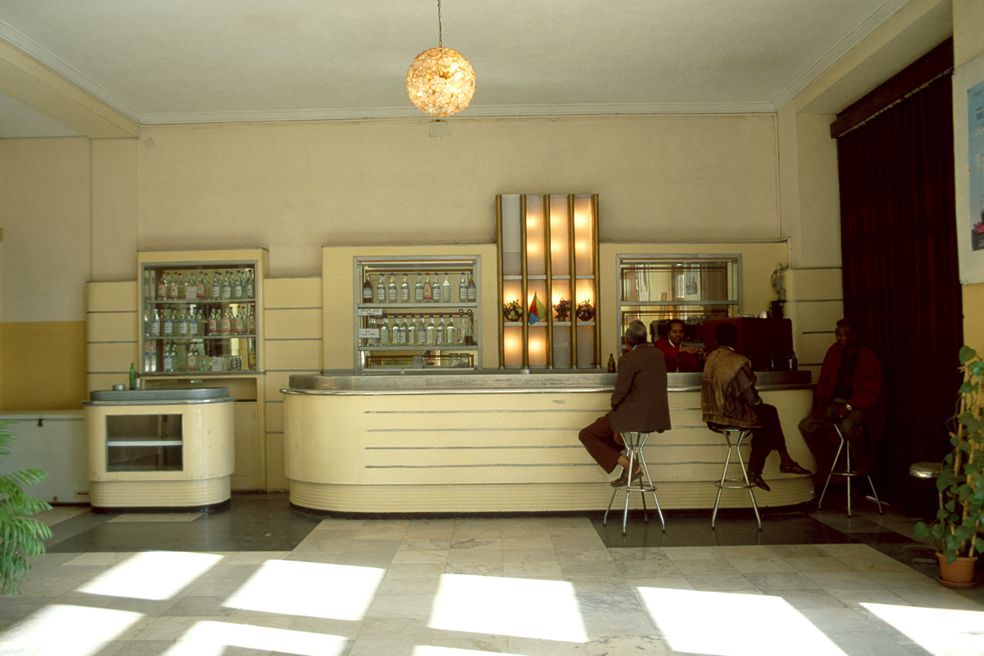
“Asmara should be regarded as a central part of the Modernist canon,” says Dr. Edward Denison, an architecture expert and professor at the Bartlett School of Architecture, who first visited Asmara as a tourist in 1997 and has worked professionally to help preserve and protect the city’s architecture since 2001.
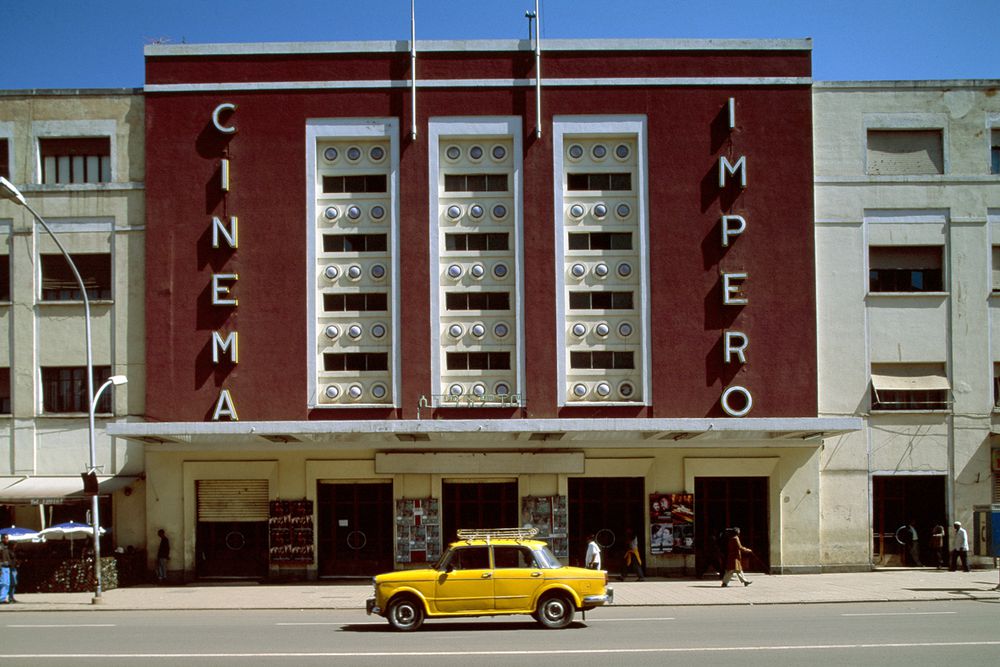
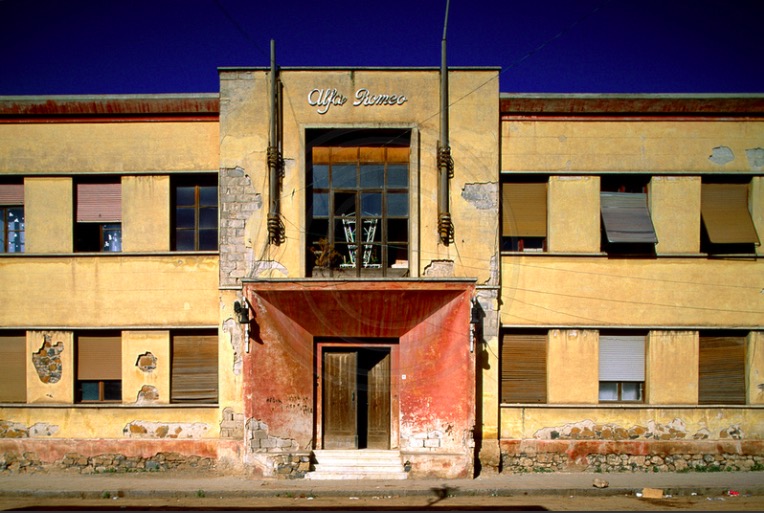
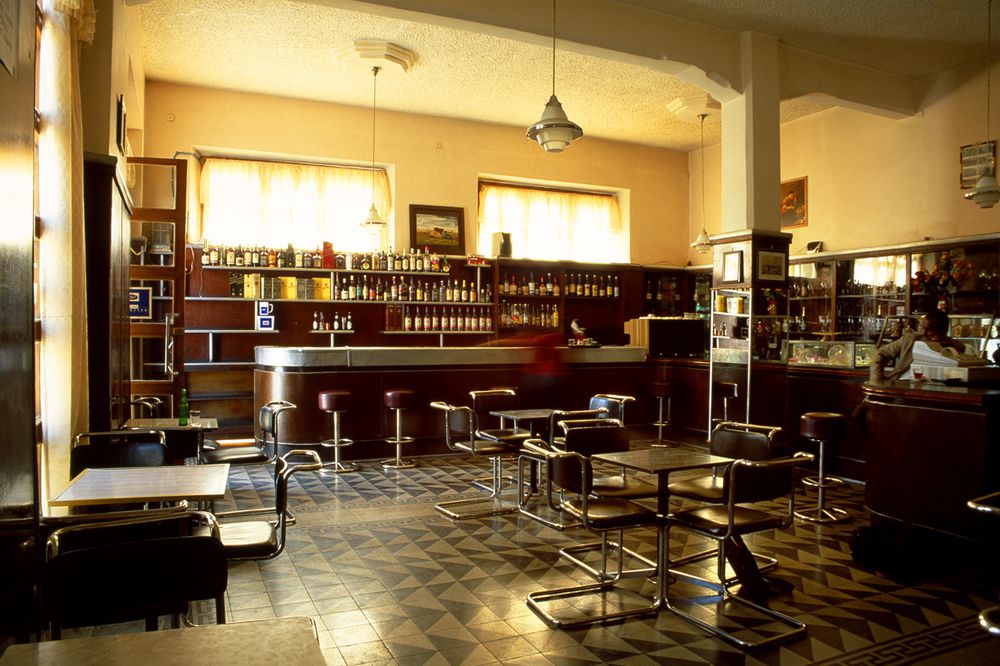
Talk about Wes Anderson location scouting.
All photos ©Edward Denison, 2016, find the full article on Curbed.
8. Found walking their dog: 1,427 gold coins valued at about $10 million, the largest known buried gold-coin discovery ever recovered in the USA
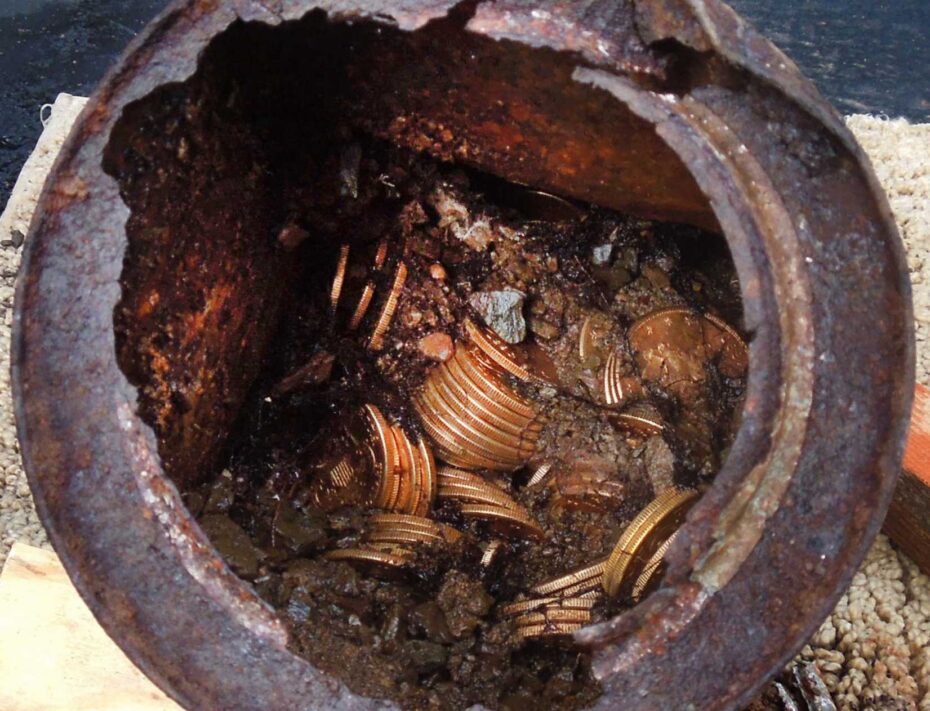
A reminder to bring a metal detector on hikes:
The Saddle Ridge Hoard is the name given to a hoard of 1,427 gold coins unearthed in Northern California in 2013. The face value of the coins totaled $27,980, but was assessed to be worth $10 million. The hoard contained $27,460 in twenty-dollar coins, $500 in ten-dollar coins, and $20 in five-dollar coins, all dating from 1847 to 1894.
Following the initial discovery of the coins, there was widespread speculation that the hoard represented the discovery of the 1901 theft from the San Francisco Mint by employee Walter Dimmick. Other disregarded theories contend that the hoard is a hidden stash of gold buried by Jesse James, or loot taken by Black Bart, who was known for robbing stagecoaches. A theory has also been advanced that the hoard was part of a treasure supposedly hidden by the Knights of the Golden Circle, to be used to fund a second Civil War. The predominant theory attributes the cache to an unknown individual who chose to bury the coins rather than trust the banks to protect his wealth. While the couple who found the coins have remained anonymous and the location of the find is undisclosed, several individuals have attempted to claim the gold coins or a share of the profits, asserting that the money belonged to one of their relatives or associates.
Found on Wikipedia and National Geographic.
9. A Great List of Little-known Ghost Towns
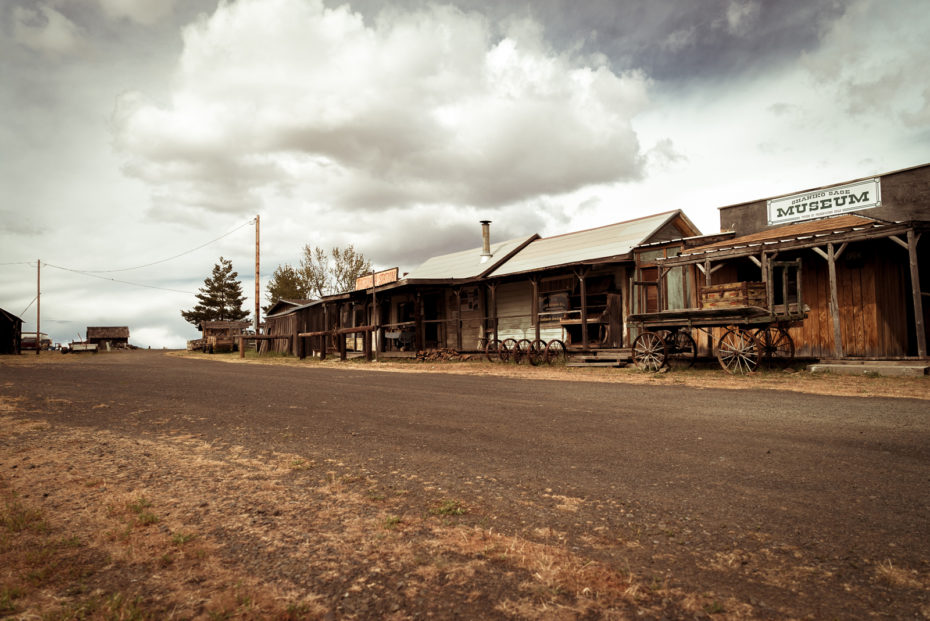
Compiled by Architectural Afterlife.
10. An opera house on the US–Canada border where the stage is in one country and half the audience is in another
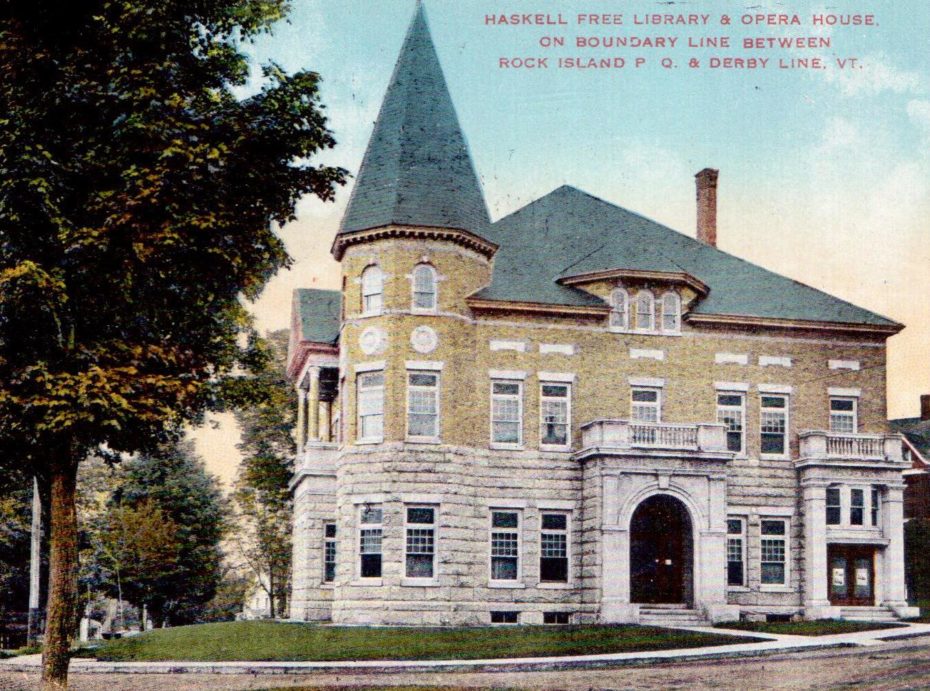
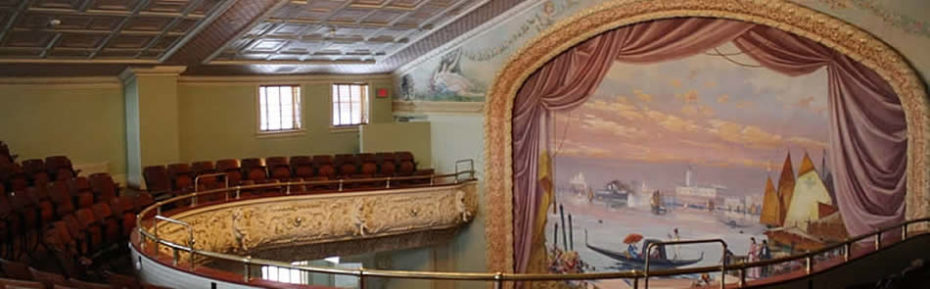
The Haskell Free Library & Opera House.
11. These wonderful ceramic bowls
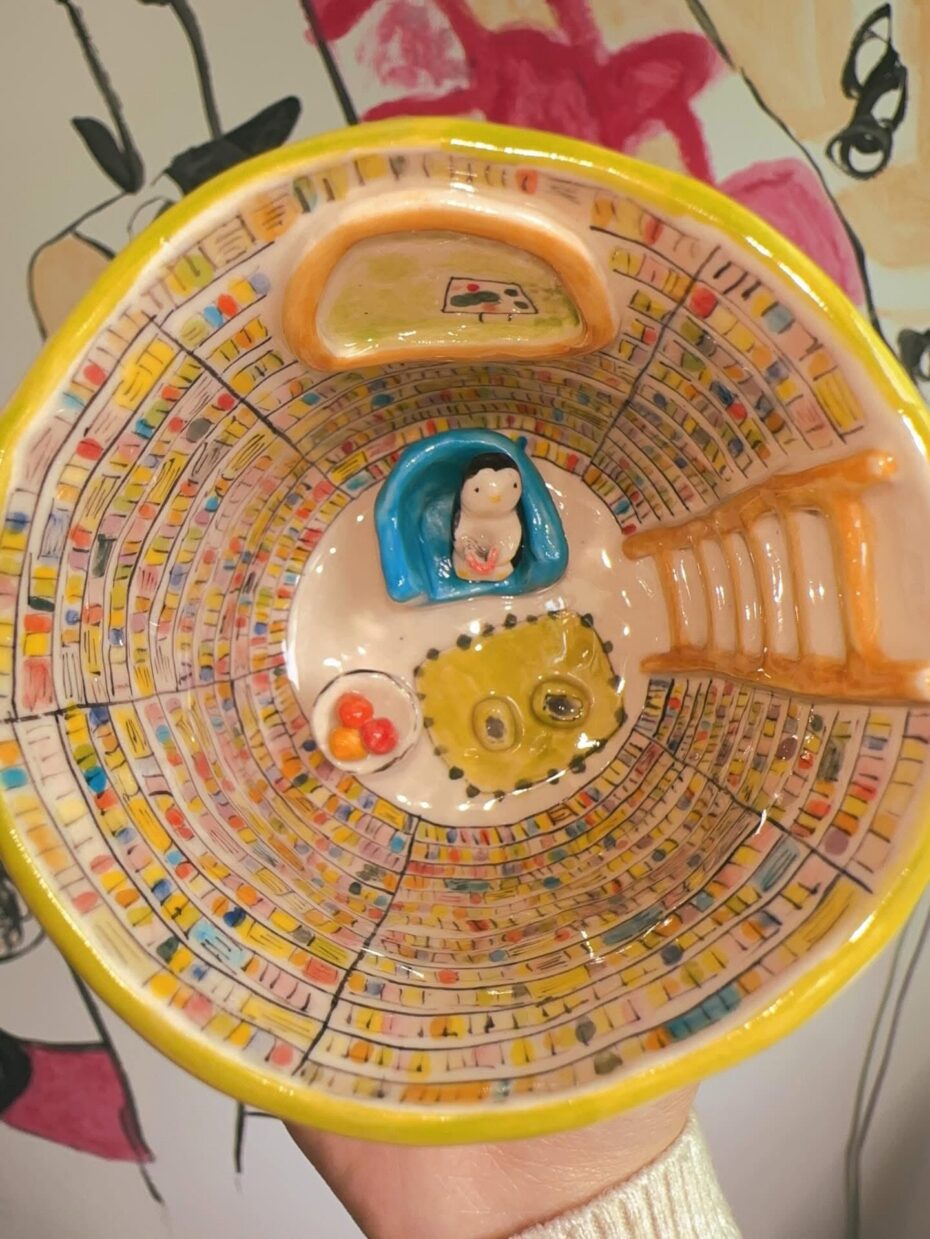
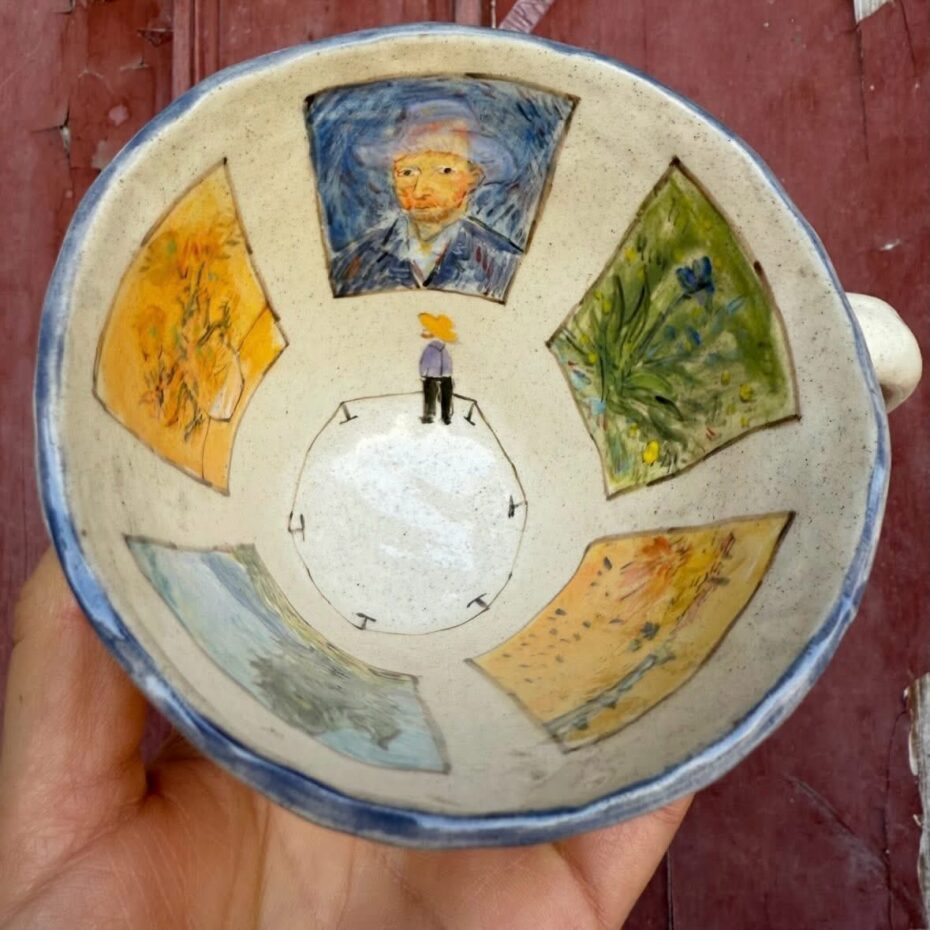
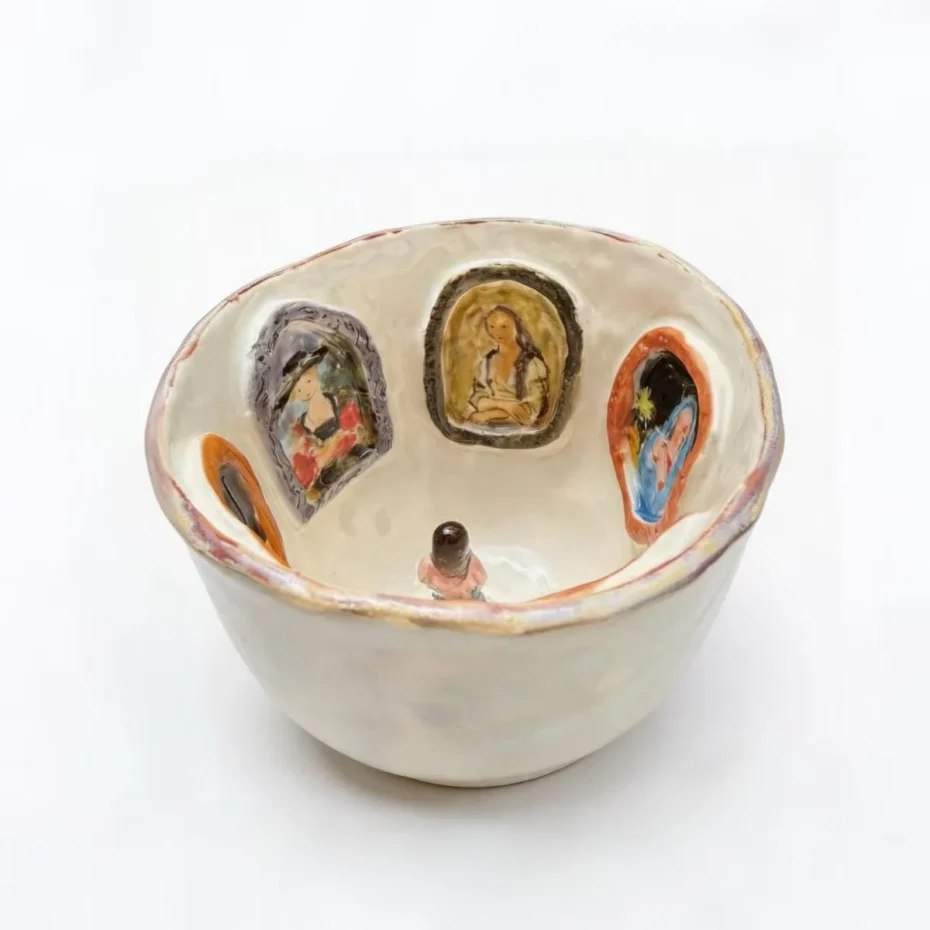
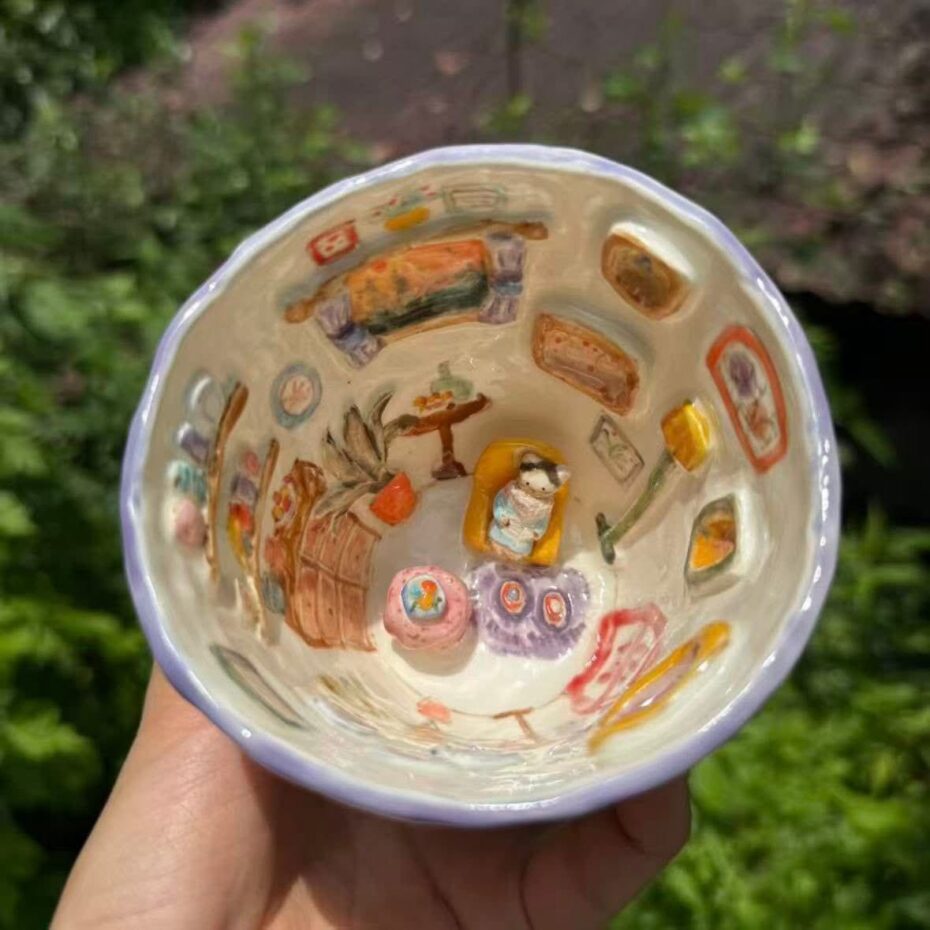
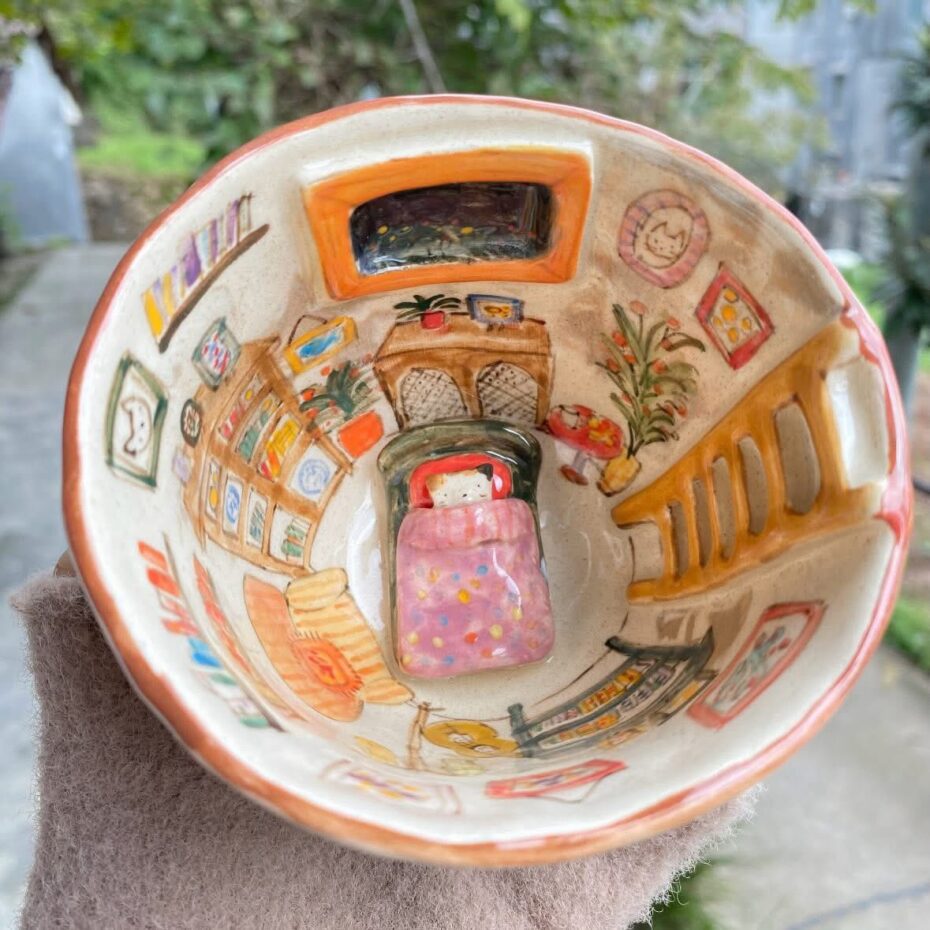
Get yours from Kiln Solo.
12. Somewhere I’d like to be: Pfaueninsel, Berlin
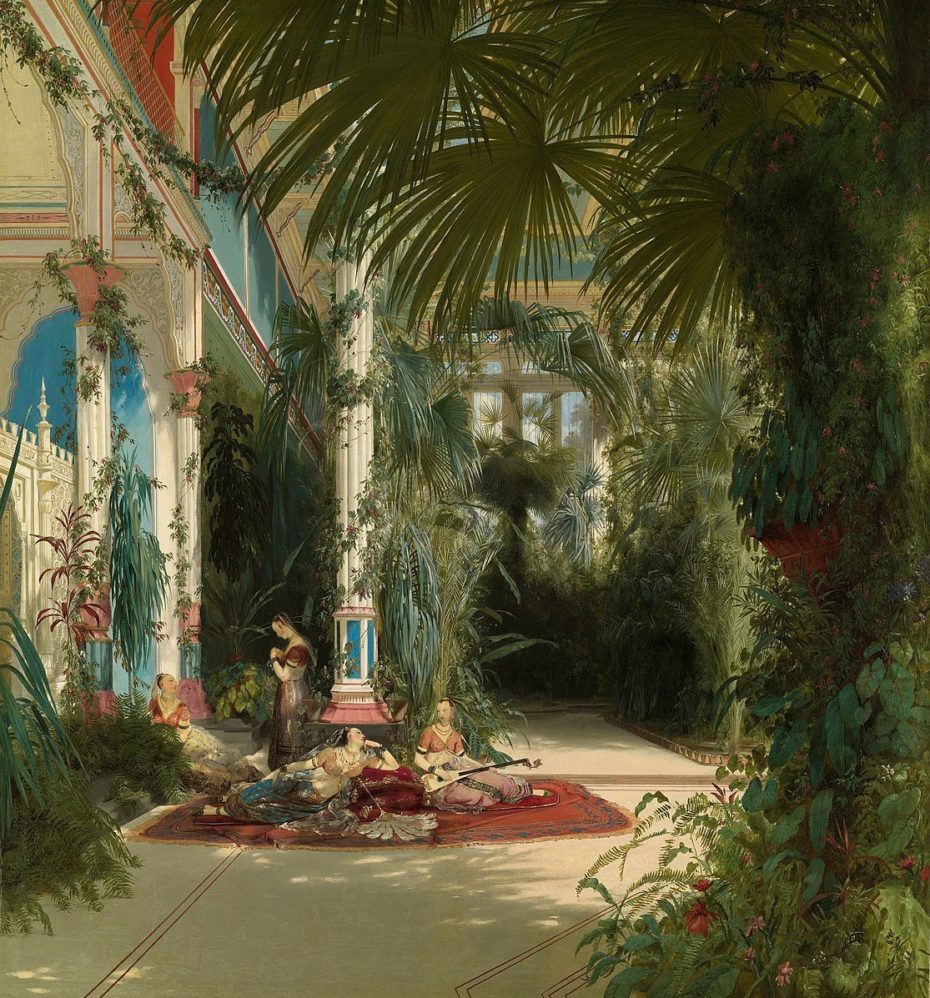
There are free-roaming peacocks on Pfaueninsel, a quaint island in southwestern Berlin that King Friedrich Willhelm II used to meet his mistress. He built her a castle and known at court as Lustschlösschen (little castle of lust), but officially named Schloss Pfaueninsel.
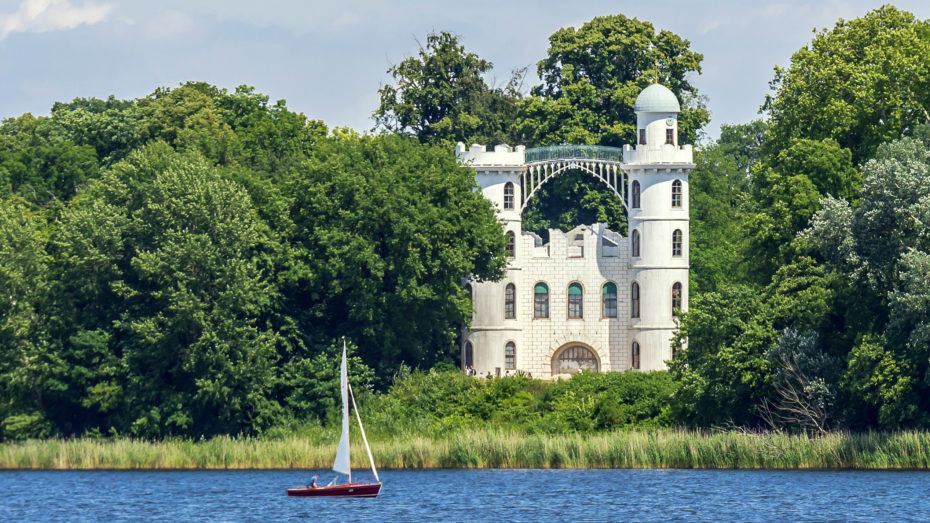
The Palmenhaus (“House of Palms”) was erected in 1831, based on a design by Schinkel. It housed exotic plants like tobacco, canna lilies, mangold, bananas, artichokes and rhubarb. It caught fire for unknown reasons in the night of 19/20 May 1880 and burnt to the ground. The castle still stands however and the island has largely retained its intended character as an idyll of nature. It was designated as a nature reserve and since 1990 has been a UNESCO World Heritage Site.
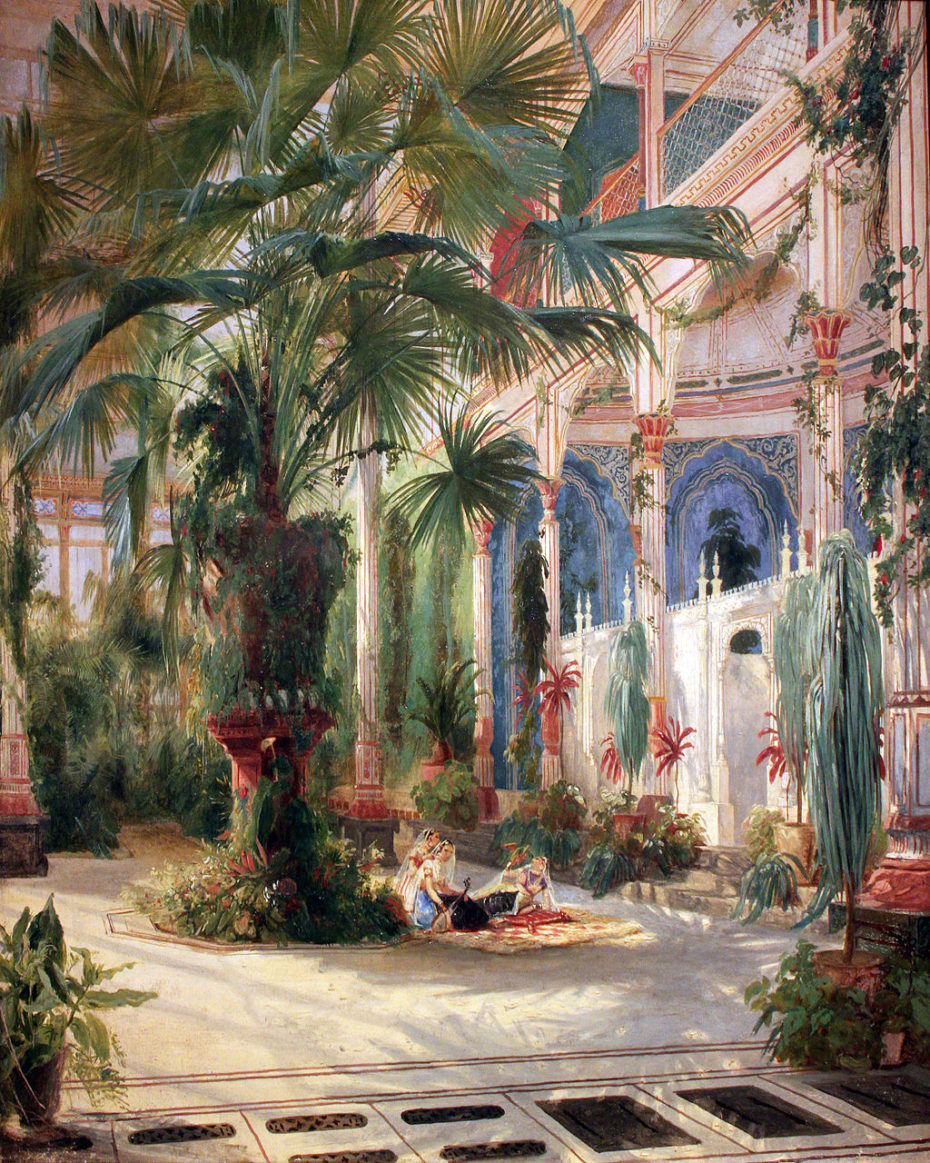
Found on Wikipedia.
13. A good reminder, from the tiny pricks project

Follow the project here.