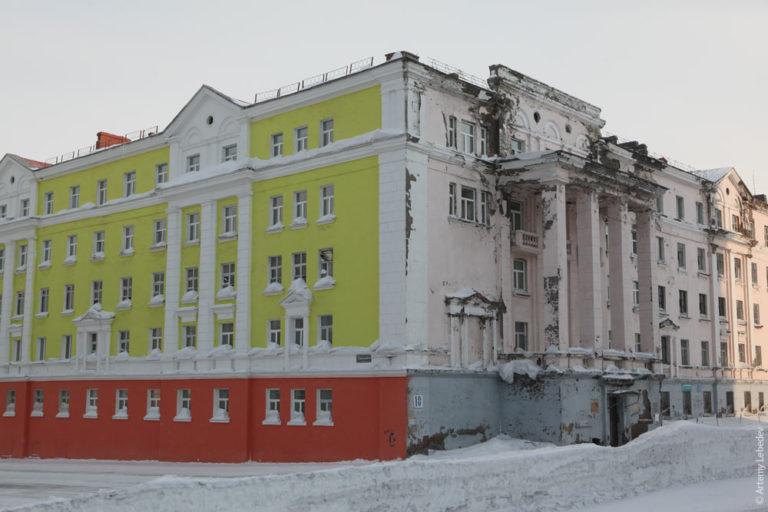



1. “Après le bal” (After the ball) – a micro 19th century art genre of its own
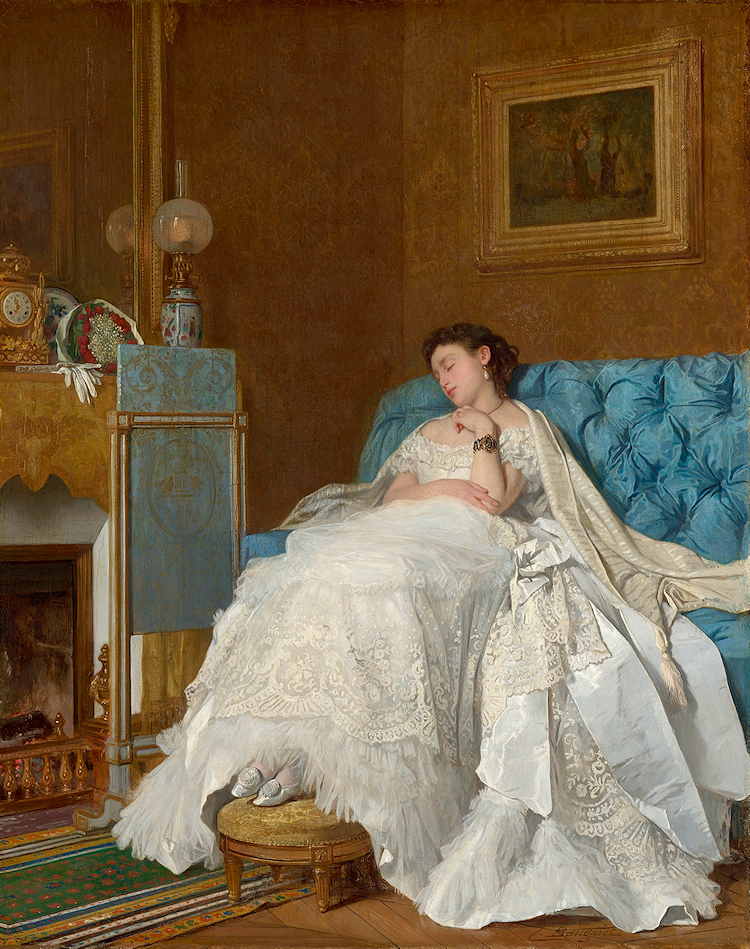
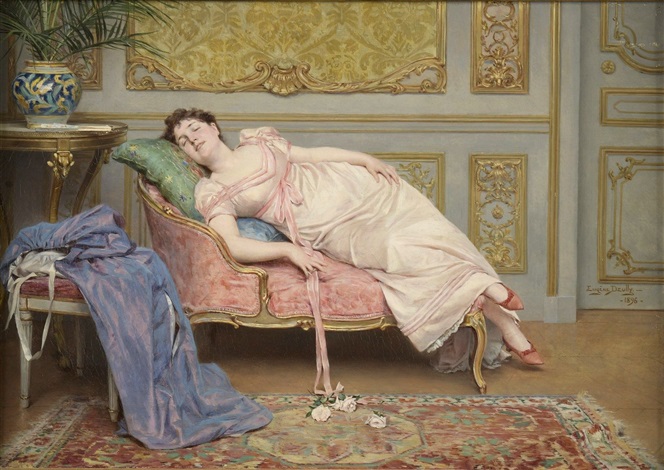
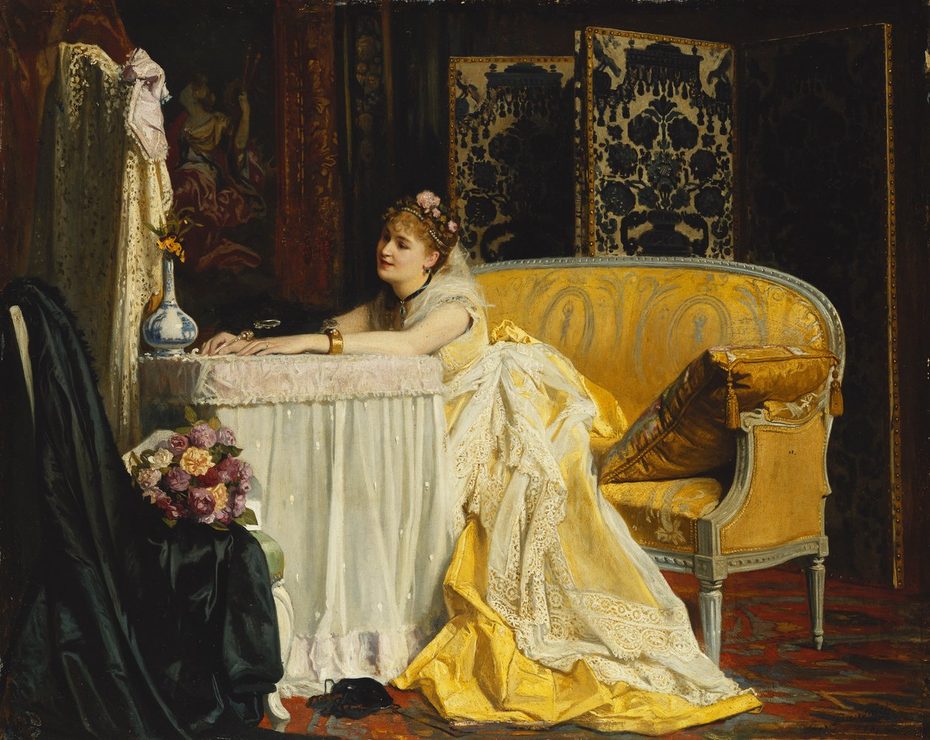
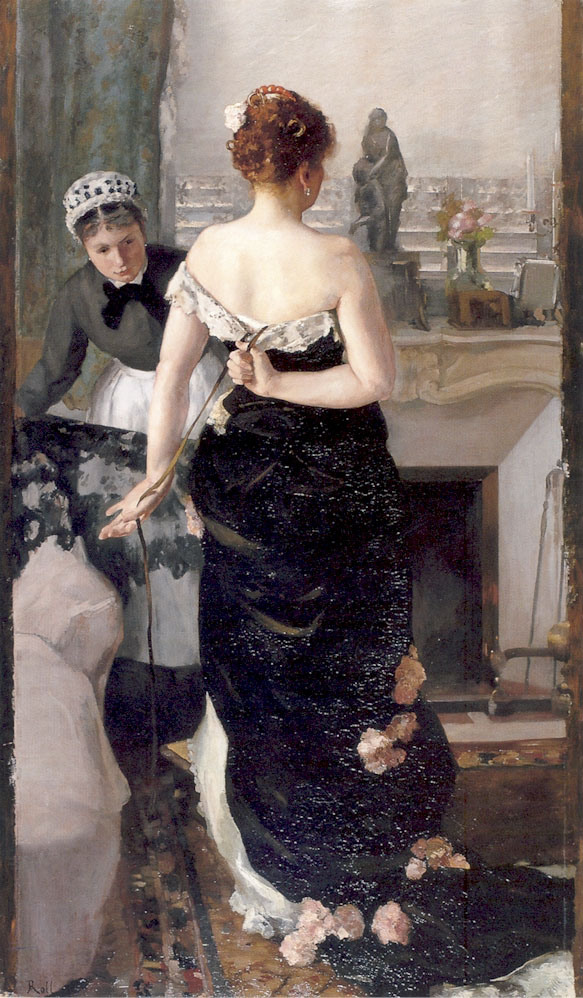
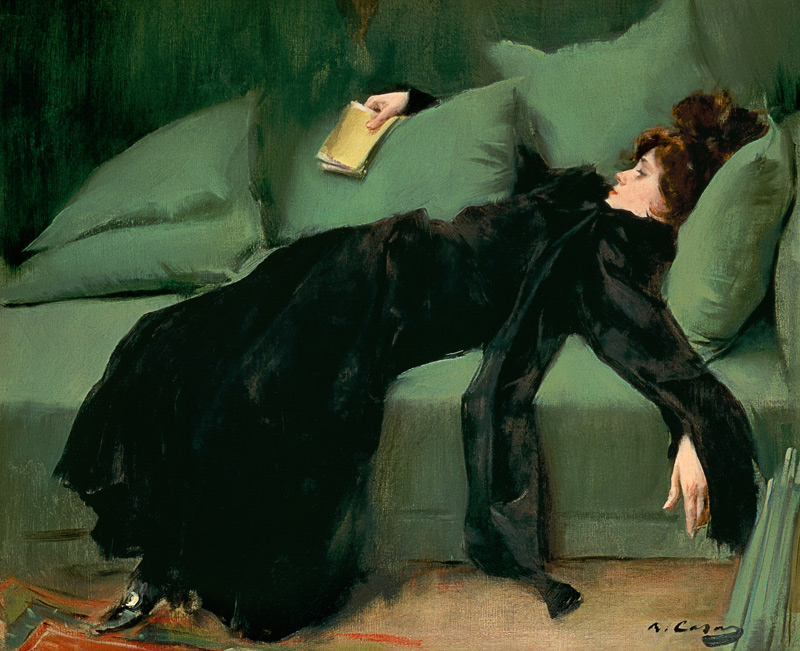
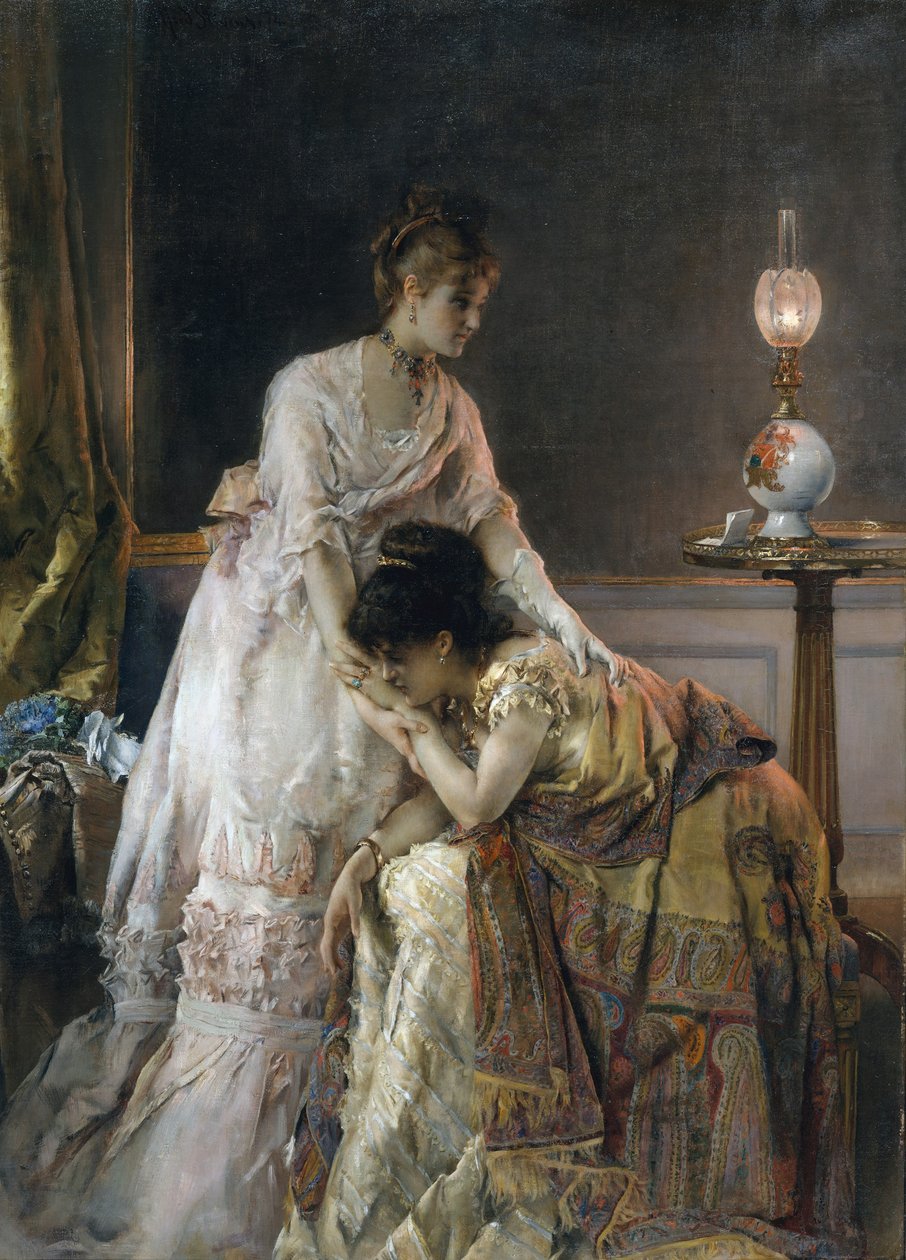
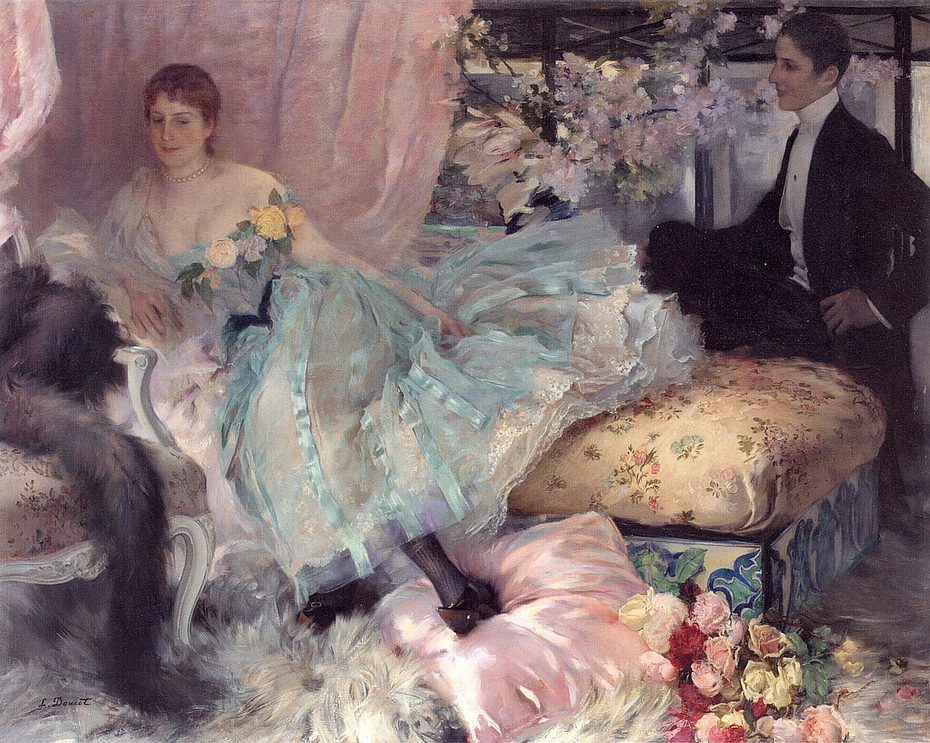
What makes it unusually genre-like is that it isn’t merely “a woman after a party.” Across different artists, the same little narrative machine keeps appearing: evening dress still on, flowers or accessories beginning to come apart, a private interior, fatigue or reverie replacing public display, and often a maid, lover, or empty room marking the transition from spectacle back to intimacy.
2. Handfasting: a case for its revival?
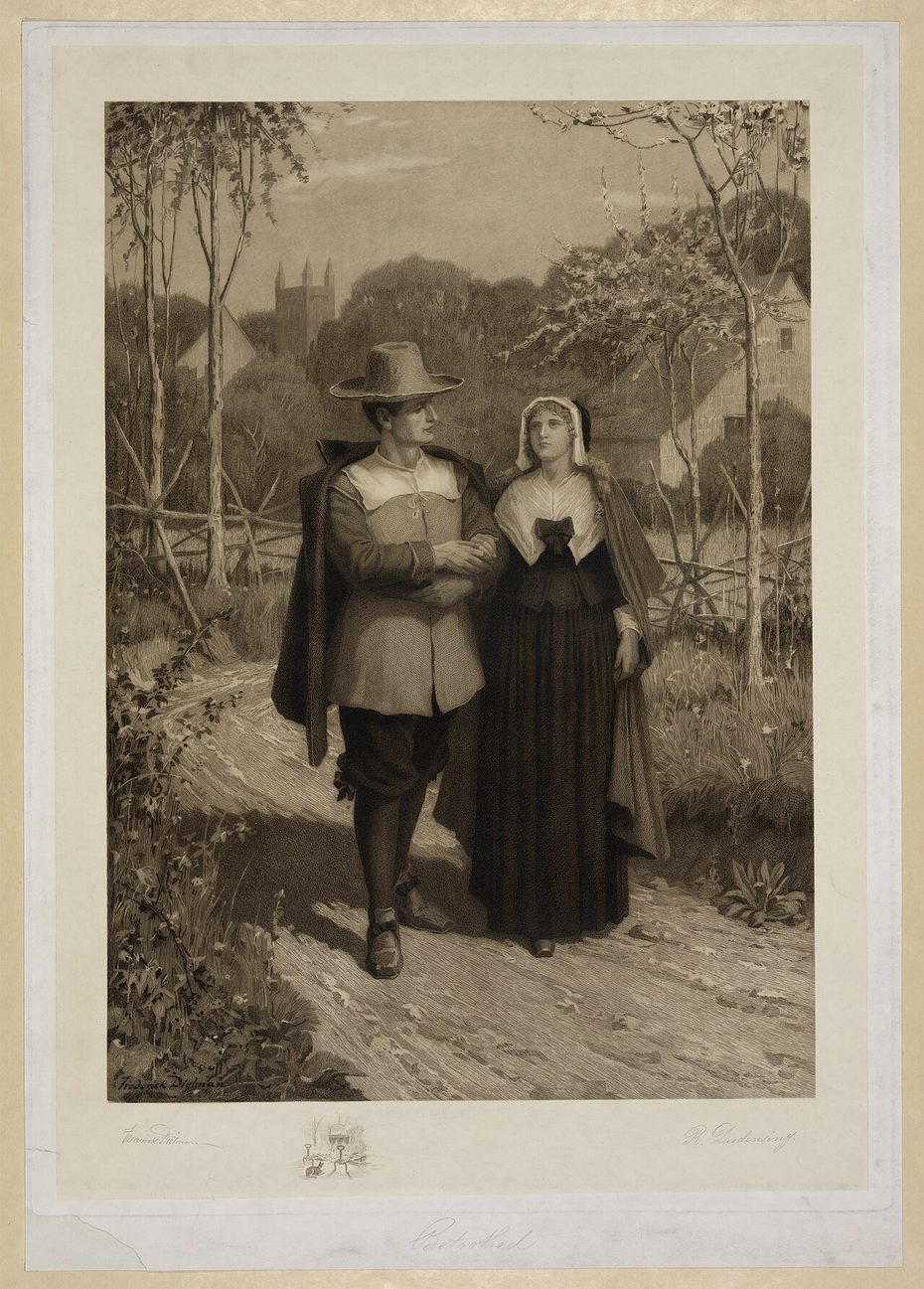
The Celtic custom of “handfasting” allowed couples to enter into a trial marriage lasting one year and a day. If the relationship didn’t work out, the couple could separate without any further attachment. Successful couples would marry.
Found on Wikipedia.
3. A whole Flickr account dedicated to Control Rooms
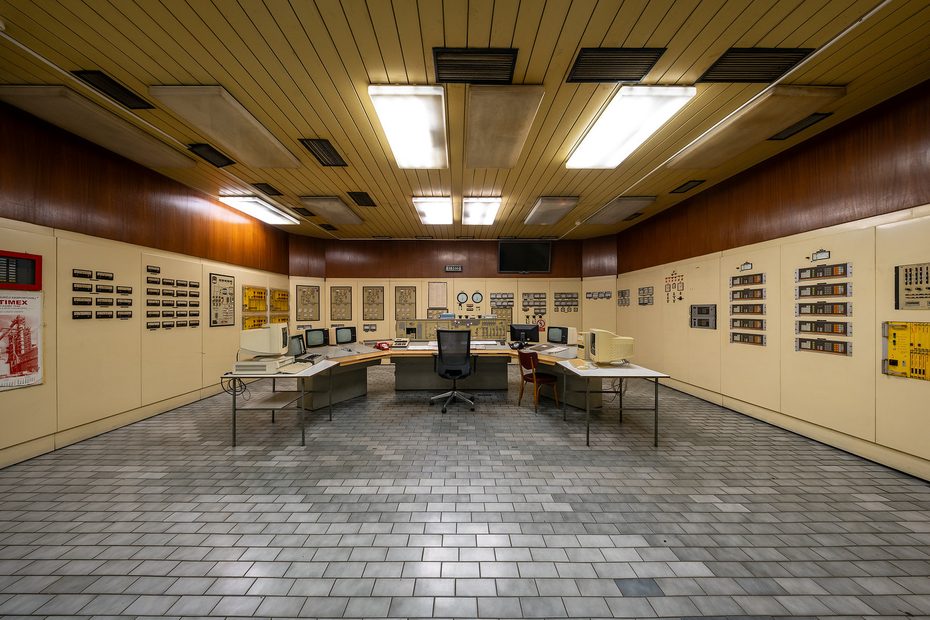
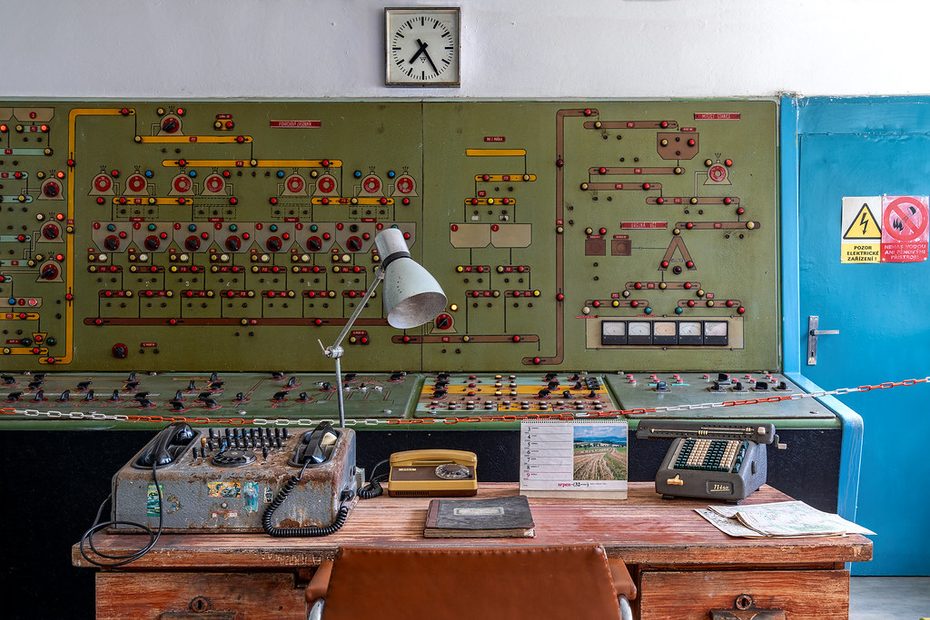
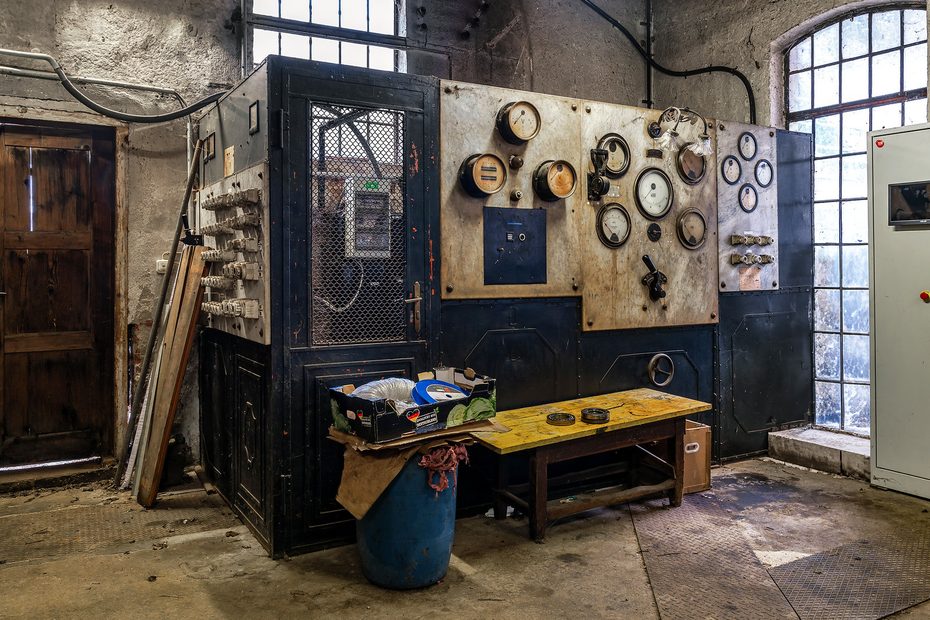
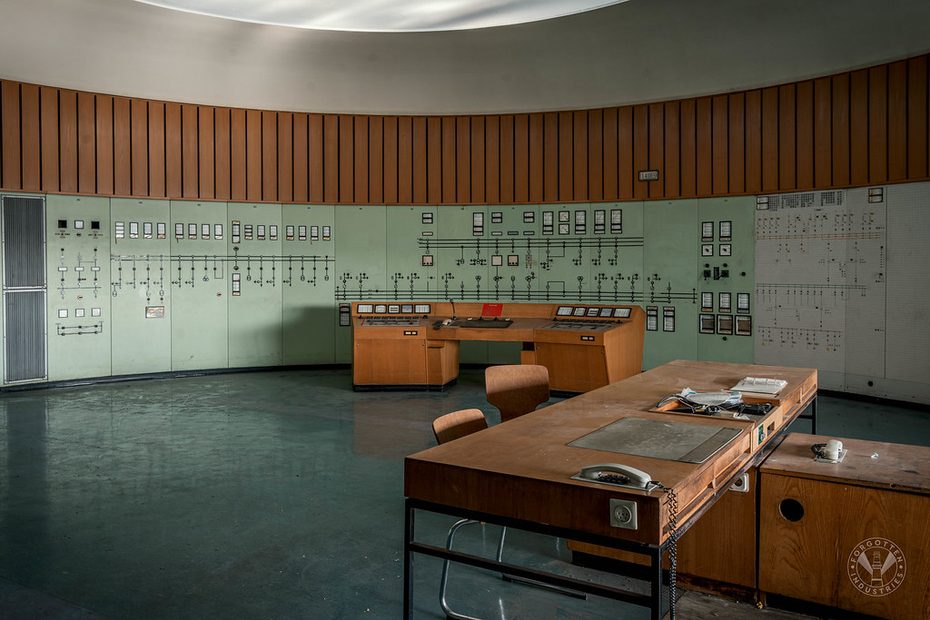
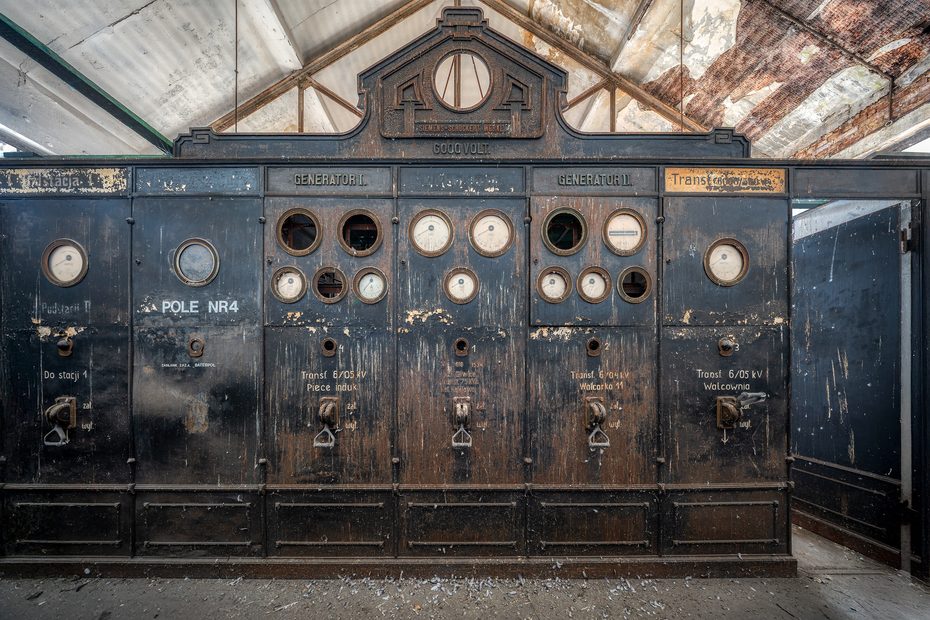
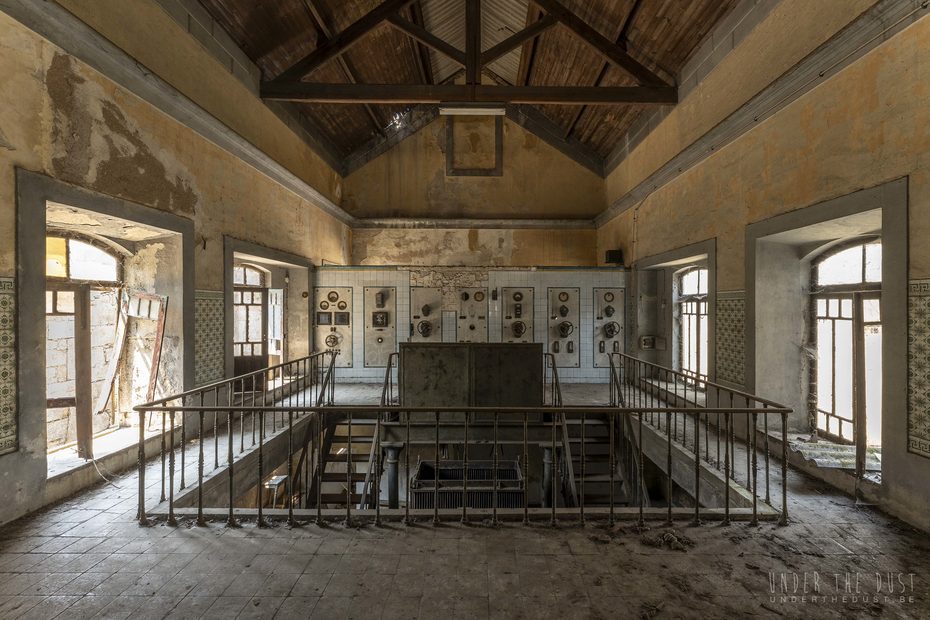
So much fun to browse through.
4. A photographic collage of pedestrian traffic icons assembled from around the world
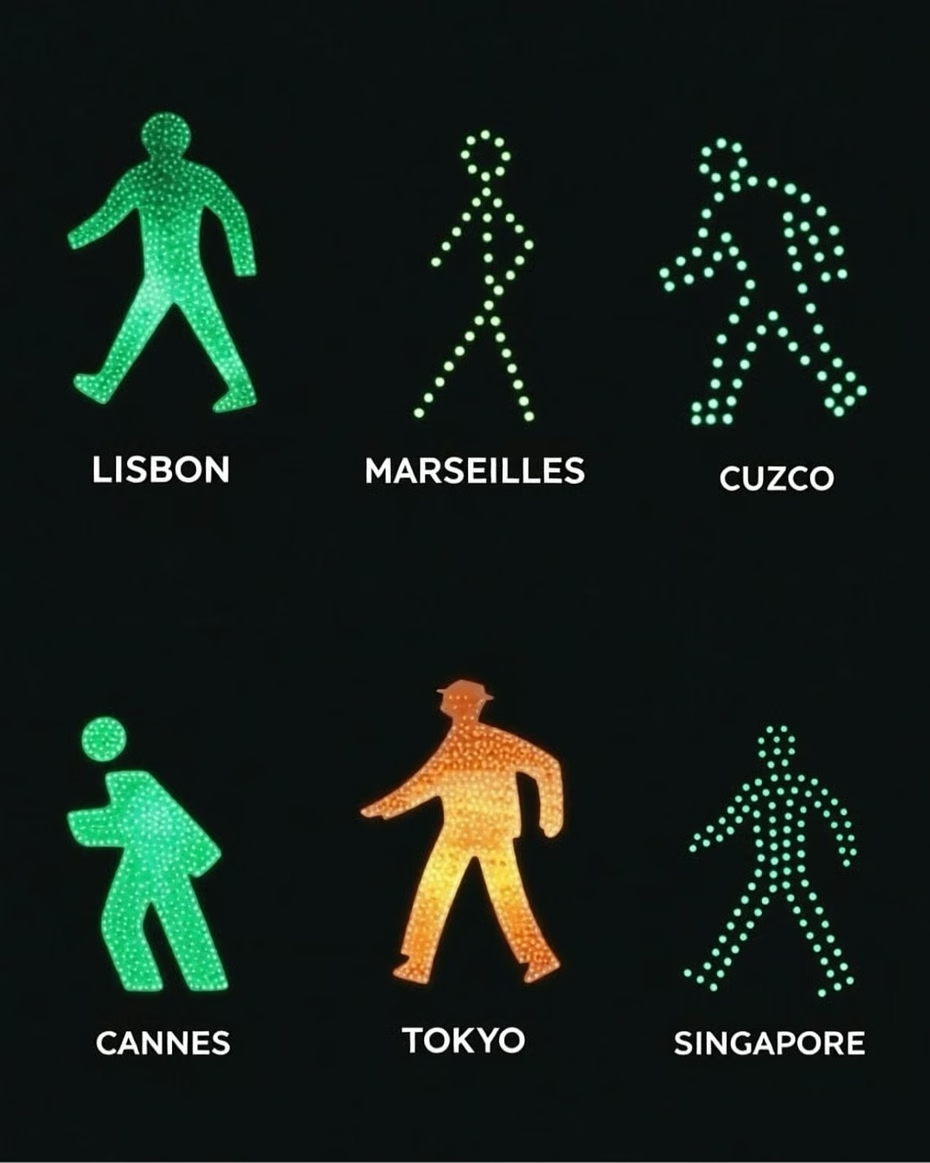
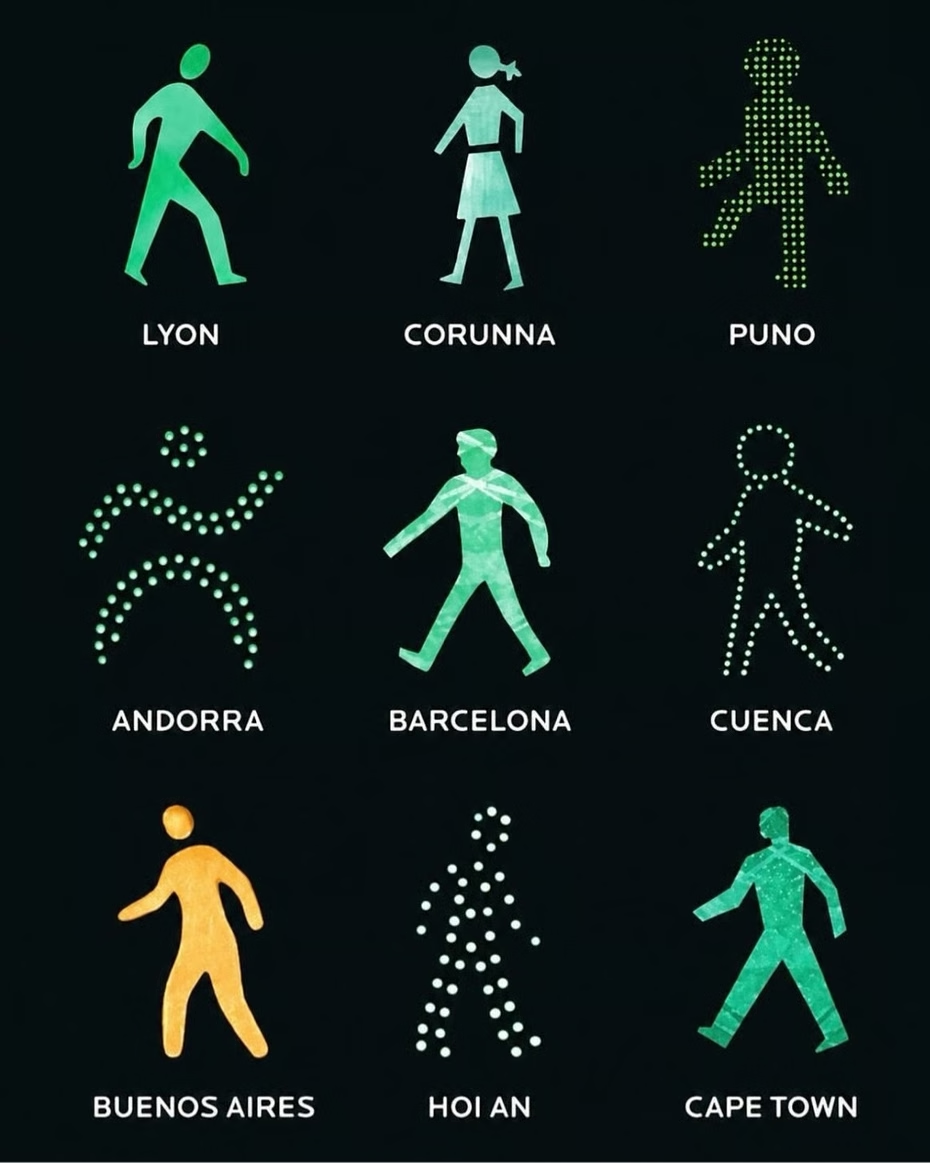
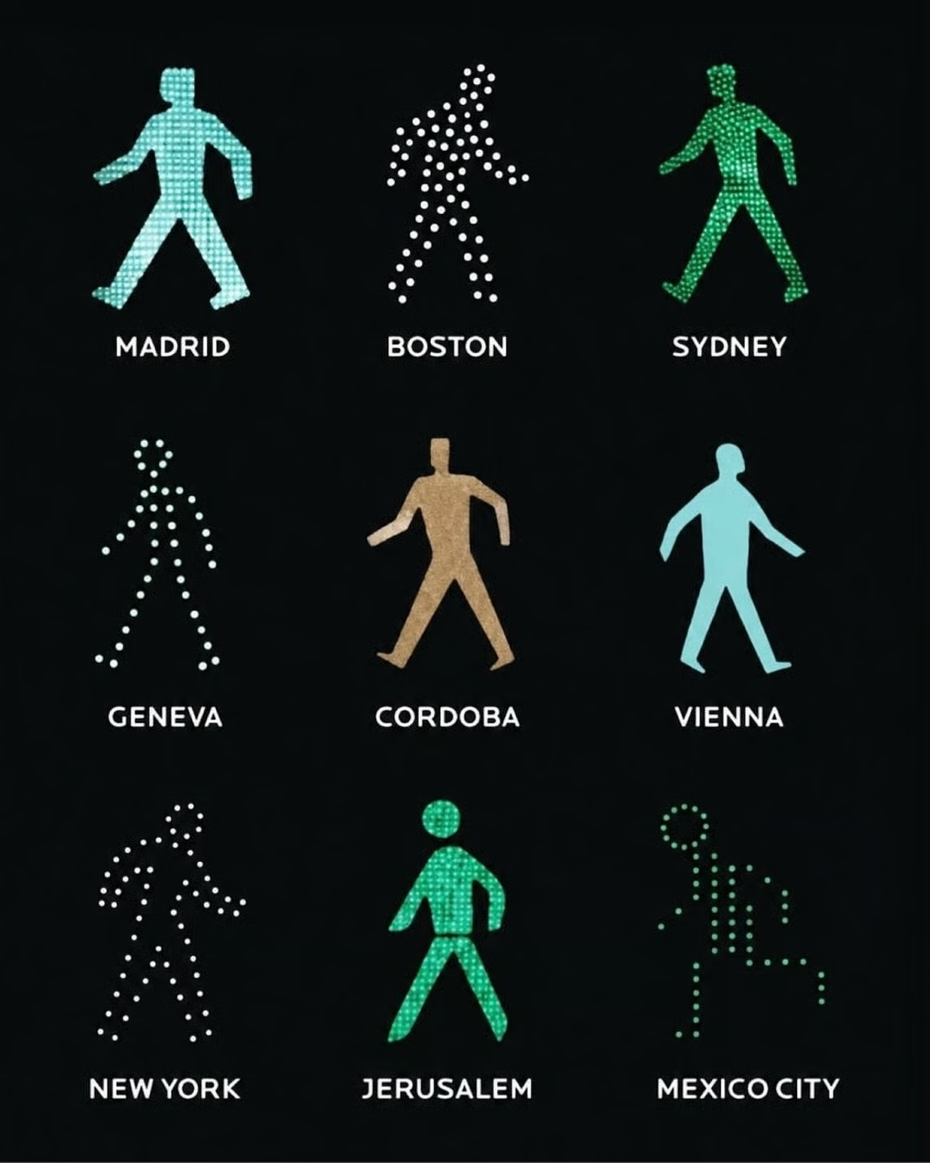
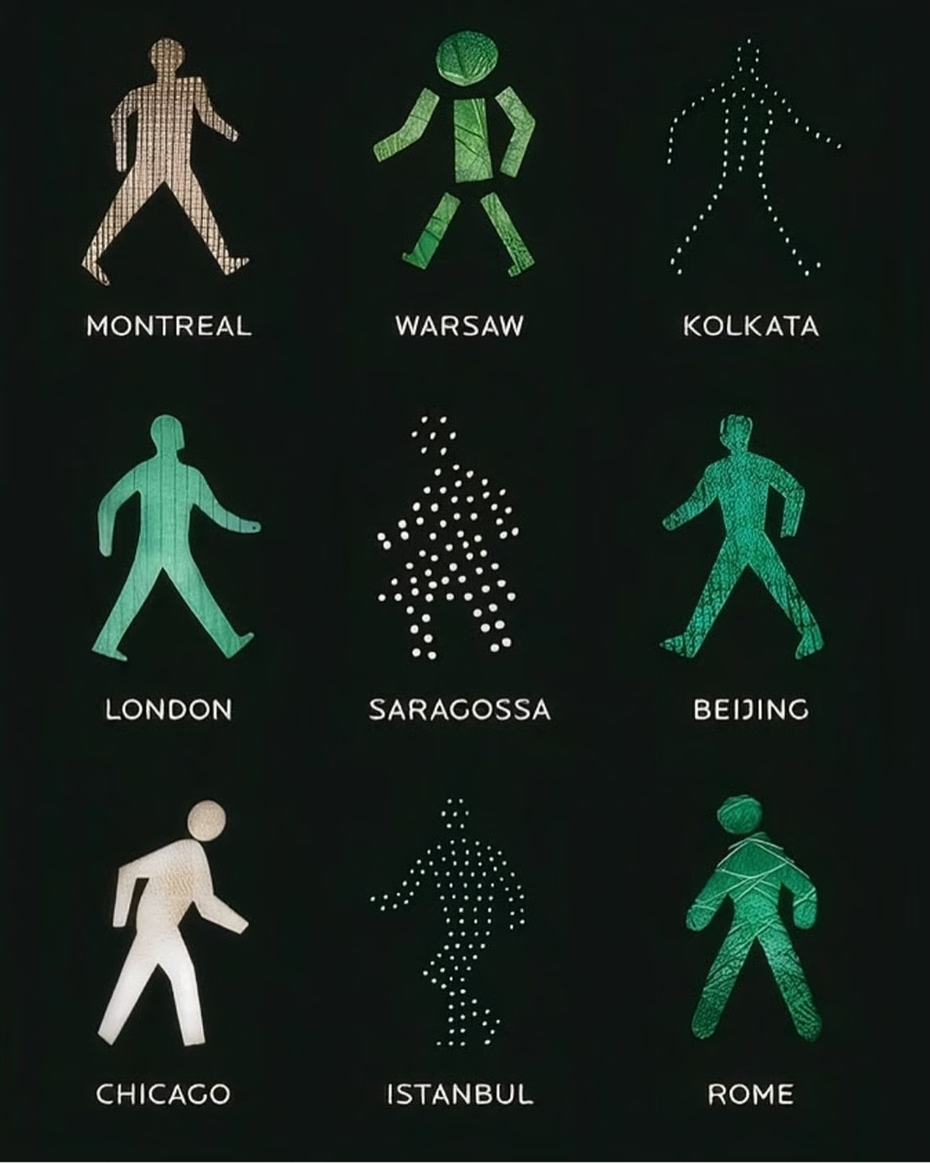
Limited edition prints also available from the artist.
5. Pluto Lamps, Victorian Gas Lamps that sold hot cups of coffee, tea and cocoa
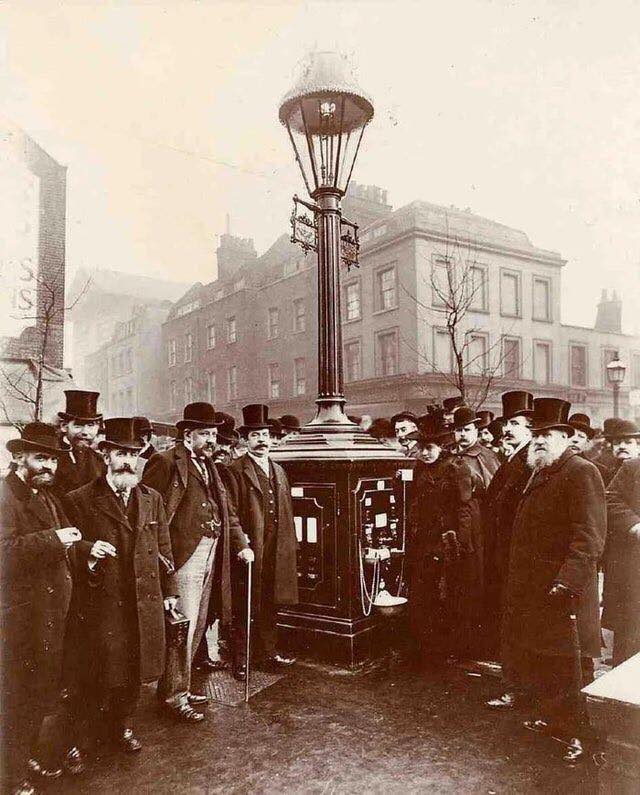
These came about in the 1890’s in London from a Mr. H. M. Robinson, and were streetlamps that also dispensed everything from hot cocoa, coffee, and beef water, to cigarettes and postcards. Unfortunately these Pluto Lamps were removed almost immediately after people figured out that they could put round pieces of metal in the coin slots instead of actual currency.
Found on Historic Photographs.
6. An Artist’s Utopian Vision from the Early 1900s
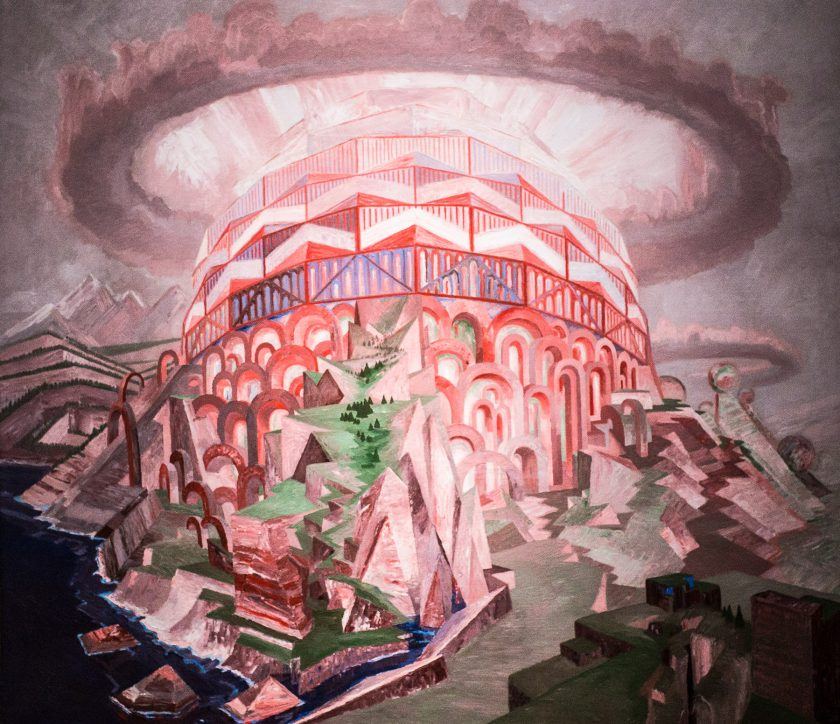
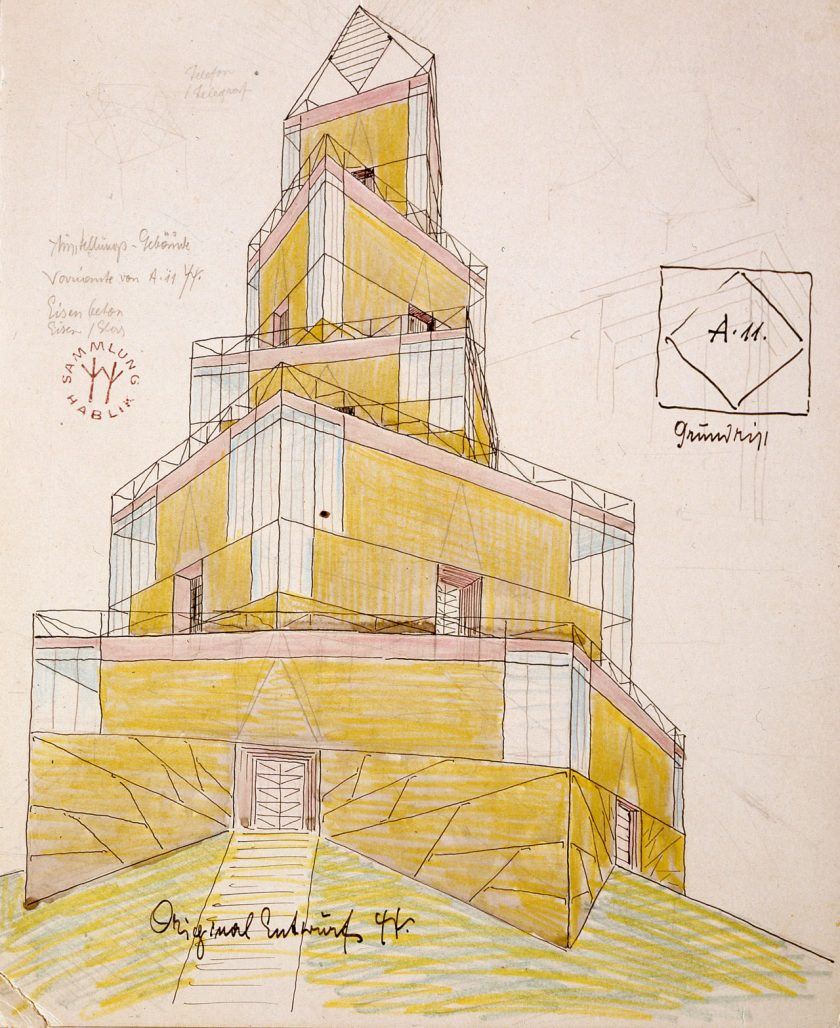
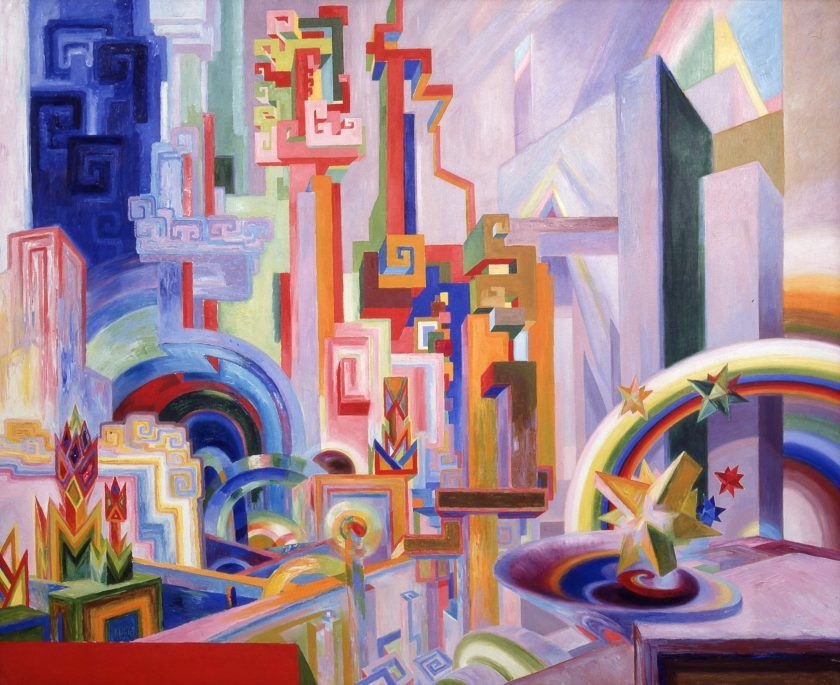
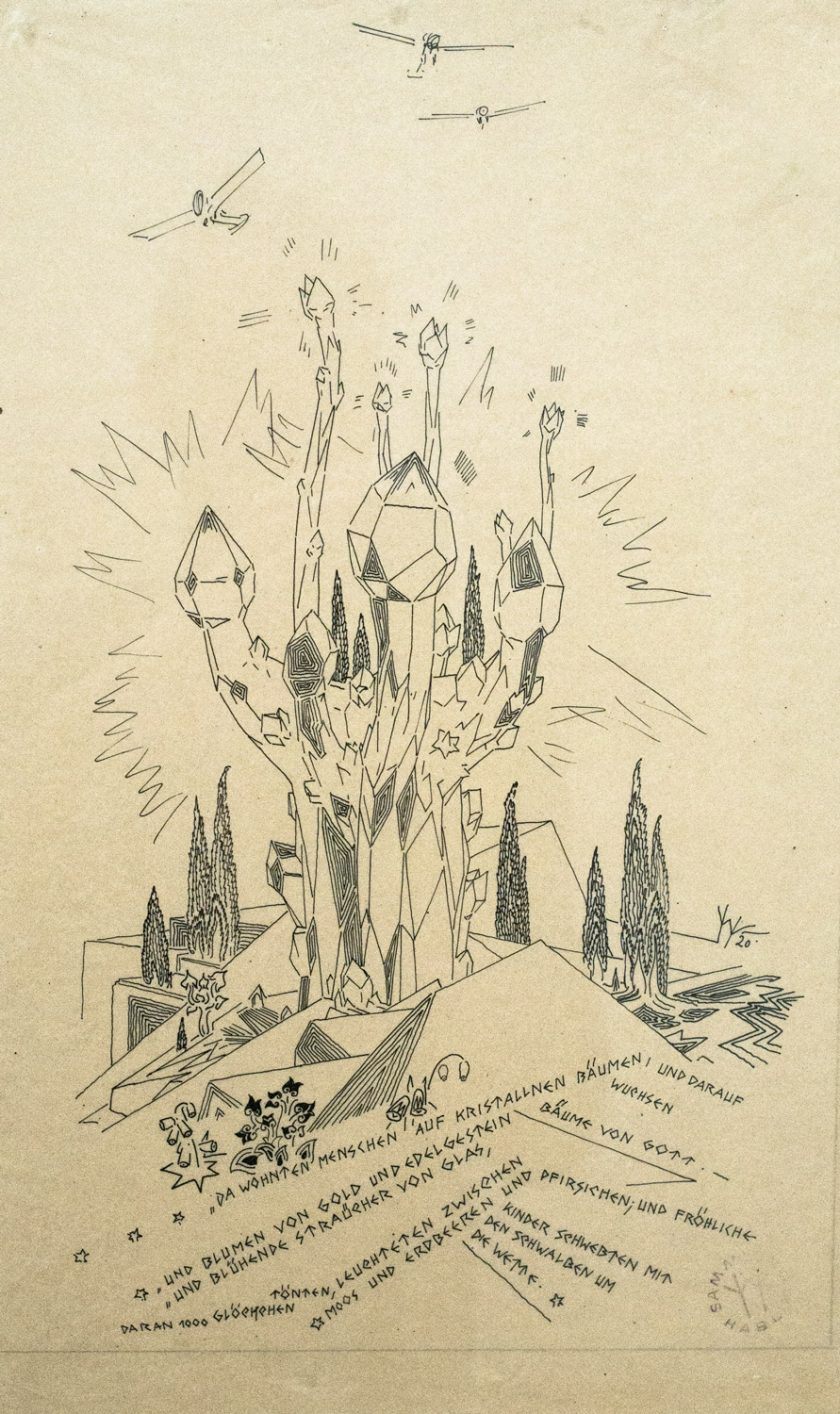
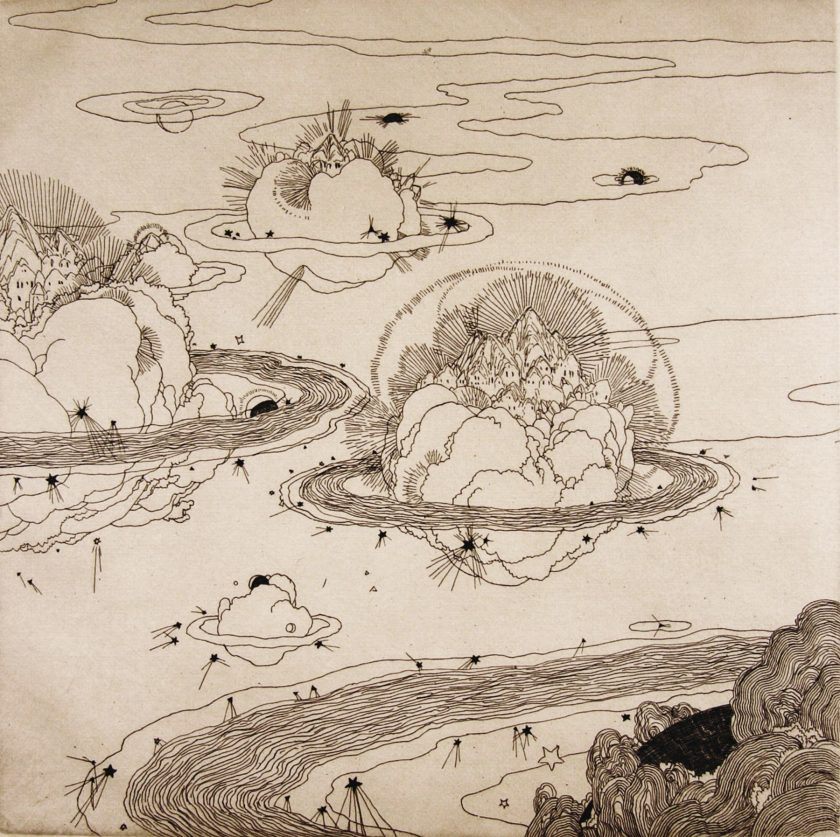
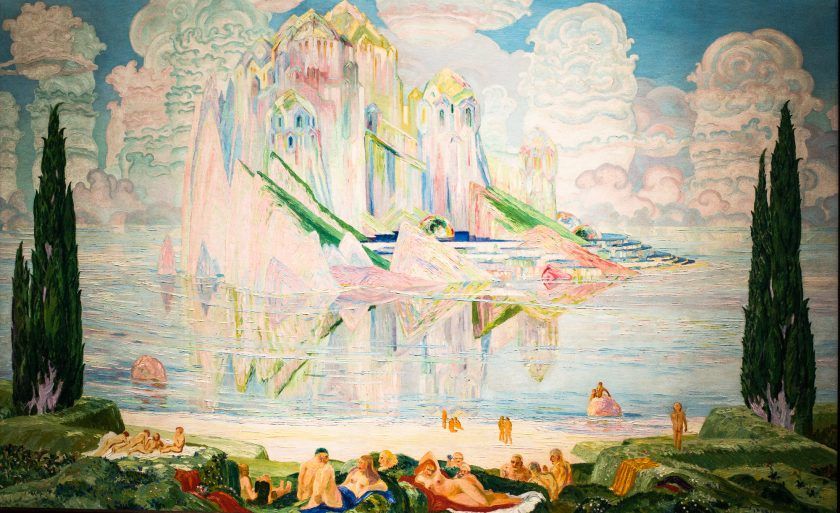
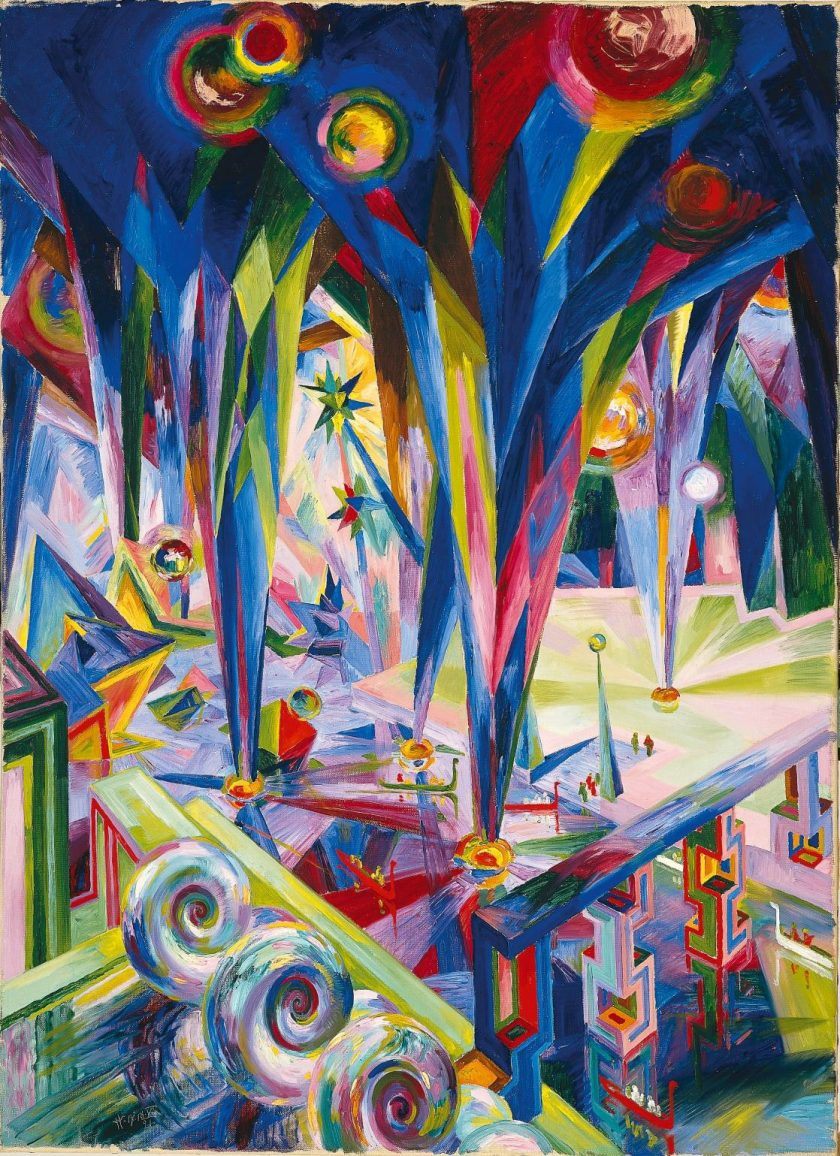
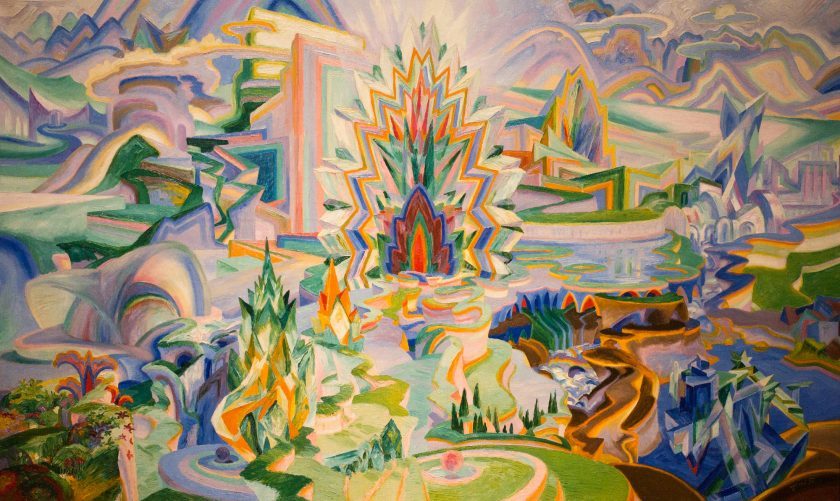
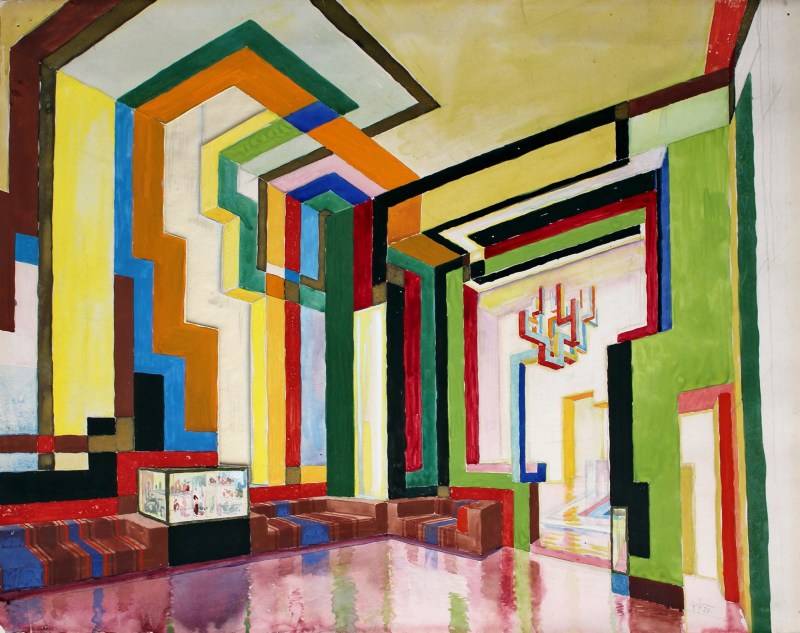
Wenzel Hablik (1881) was a painter, graphic artist, architect, designer, and craftsman from Bohemia of the early twentieth century, associated with German Expressionism. At the age of six, he found a specimen of crystal, and saw in it “magical castles and mountains” that would later appear in his art. Hablik died at Itzehoe in 1934. The Wenzel Hablik Museum was established in the city of Itzehoe in 1995. The museum contains much of his art, as well as his collections of crystals and minerals, seashells and snails.
More of his work, found on Tumblr.
7. Cano’s Castle
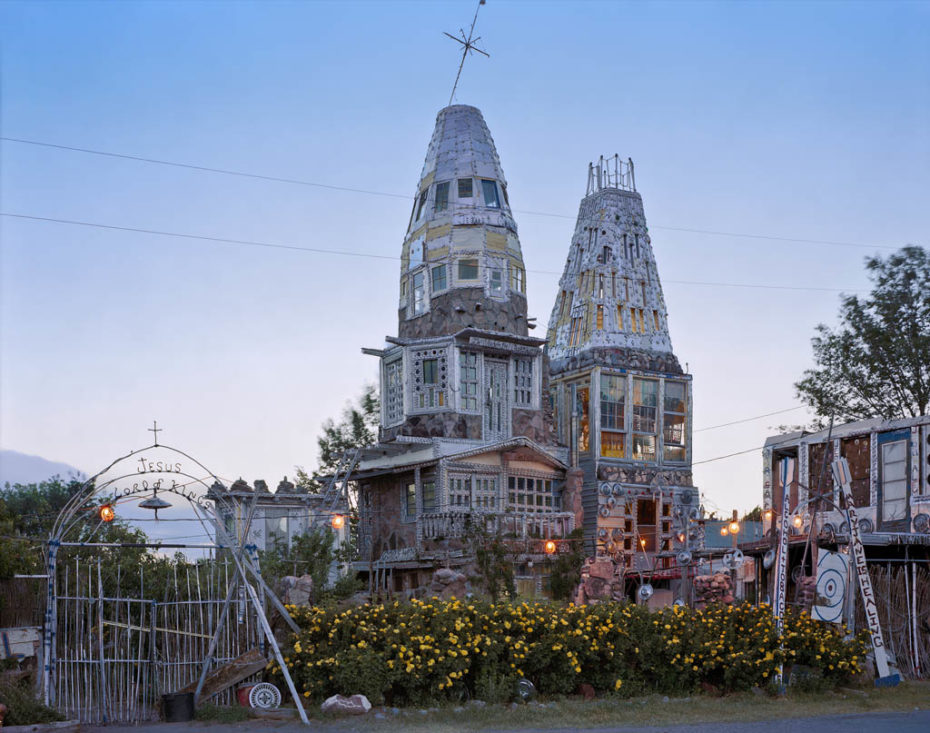
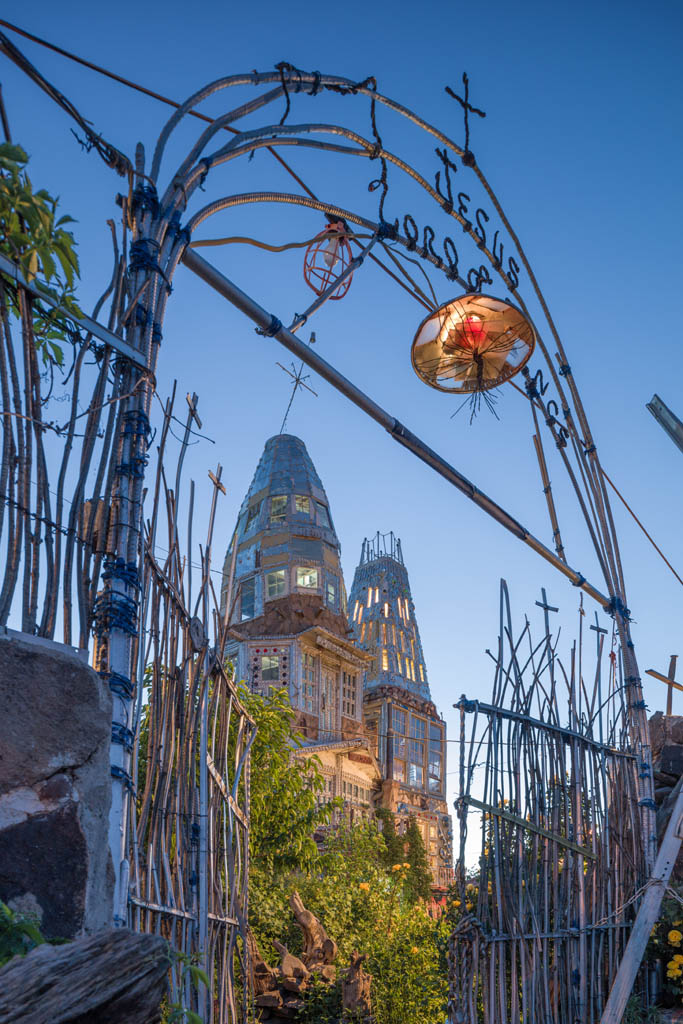
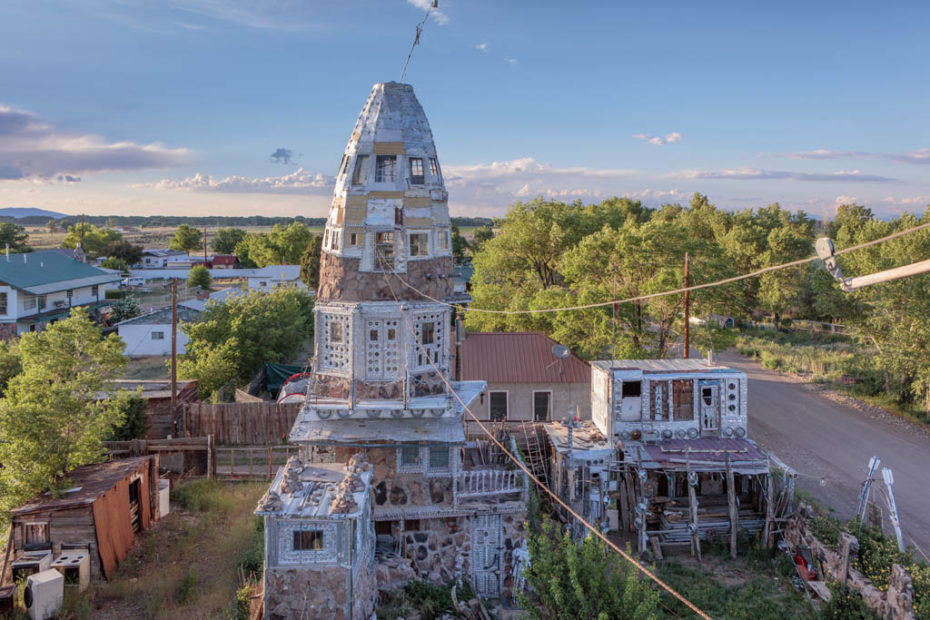
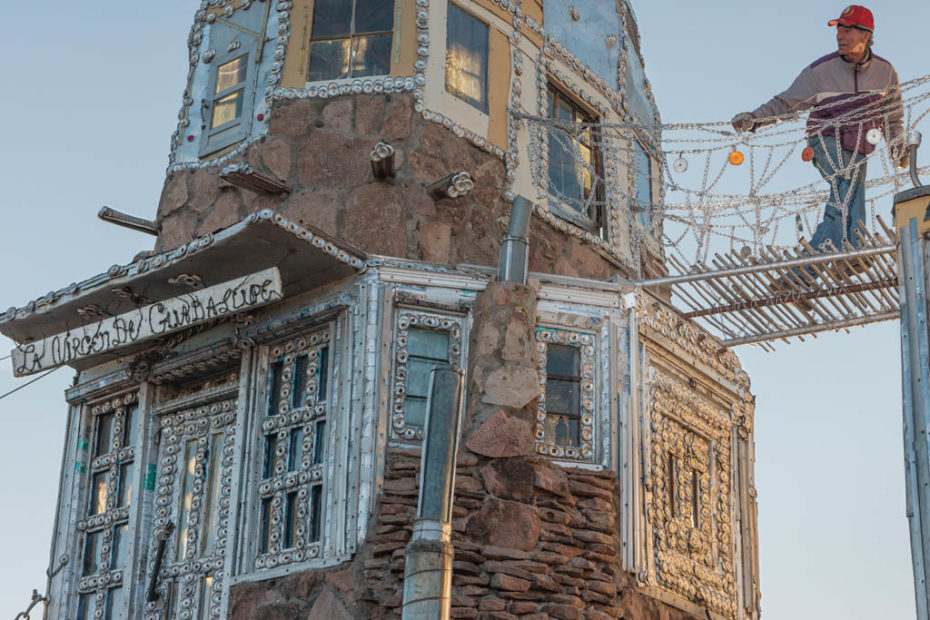
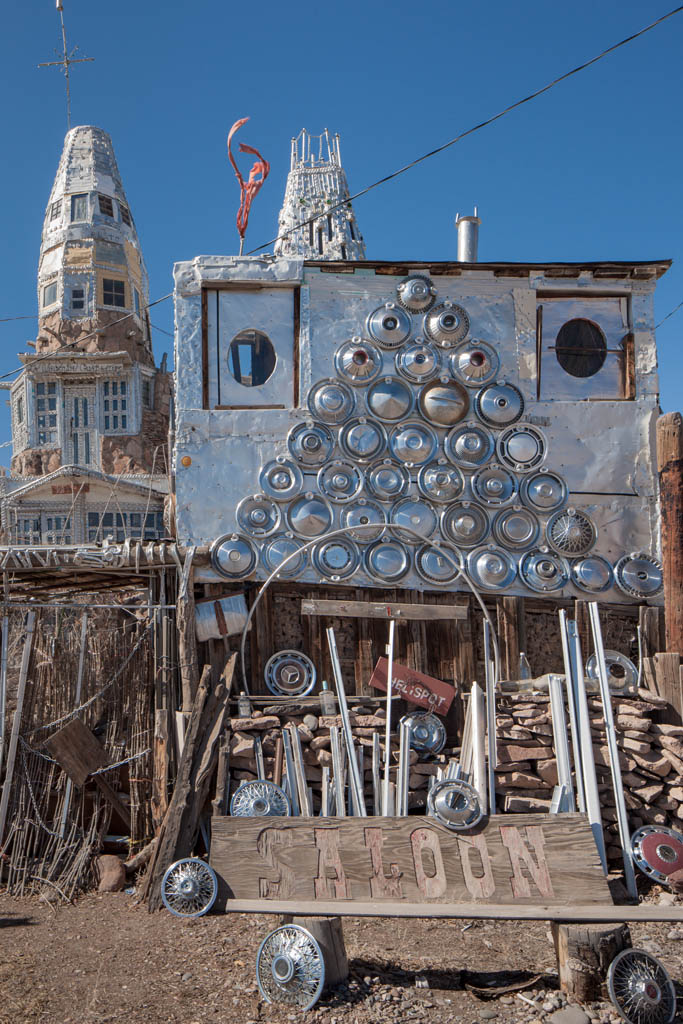
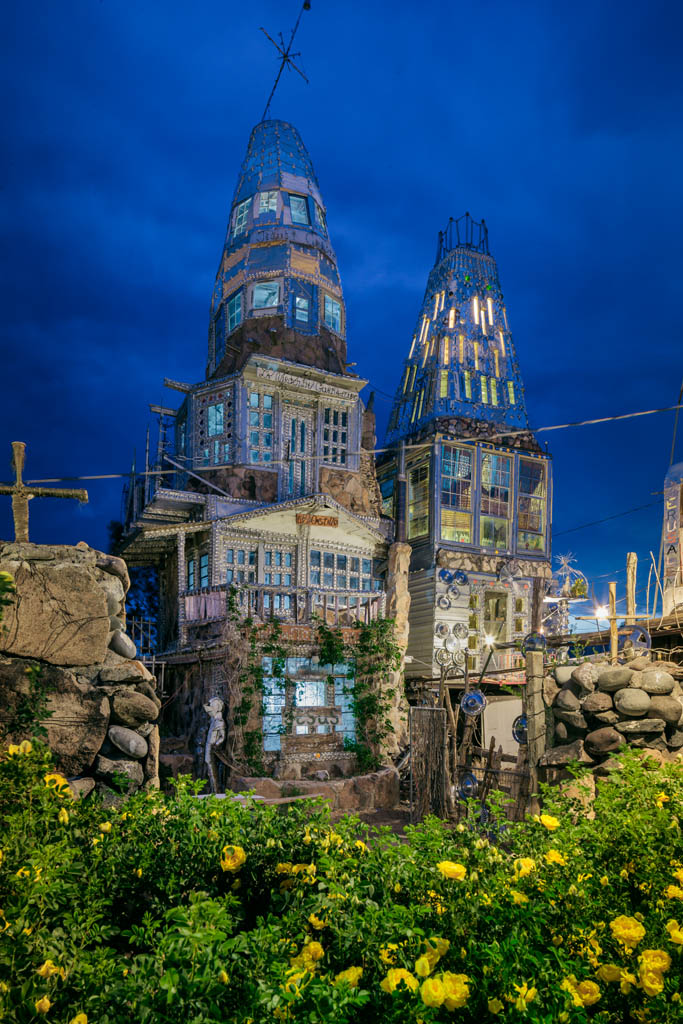
“After first building an underground potato cellar on the site, the castle began in 1980 when Cano built a steam room above the cellar, and took improvised shape as found materials presented themselves over about twenty years.”
Born in 1948, ‘Dominic “Cano” Espinoza’s enlisted in the US army in 1968 and, upon returning in 1970, he went to work in the potato fields. Affected by losses in the Vietnam war, and fascinated by the Buddhist temples there, his Colorado castle is his “way of building something for our religion”. The primary structure of his castle is stone, with wood sheathed in sheets of applied metal scrap and hundreds of cut-off aluminium can bottoms. Illuminated at night by electric lights, strings of bottles clink together in the wind.’
Espinoza enjoys it when cheerful groups of curious onlookers stop by to see his creation. “I have people here every day. If it wasn’t for the visitors, I wouldn’t be doing this,” he said. “They’re like energy for me.” If you would like to visit Cano’s Castle, it’s located at East 10th Avenue and State Street in Antonito
Fred Scruton travels extensively throughout the United States to find, photograph, videotape, and write about artists working outside the mainstreams of contemporary art. See more from his time at Cano’s Castle here.
8. Remnants of Window Tax
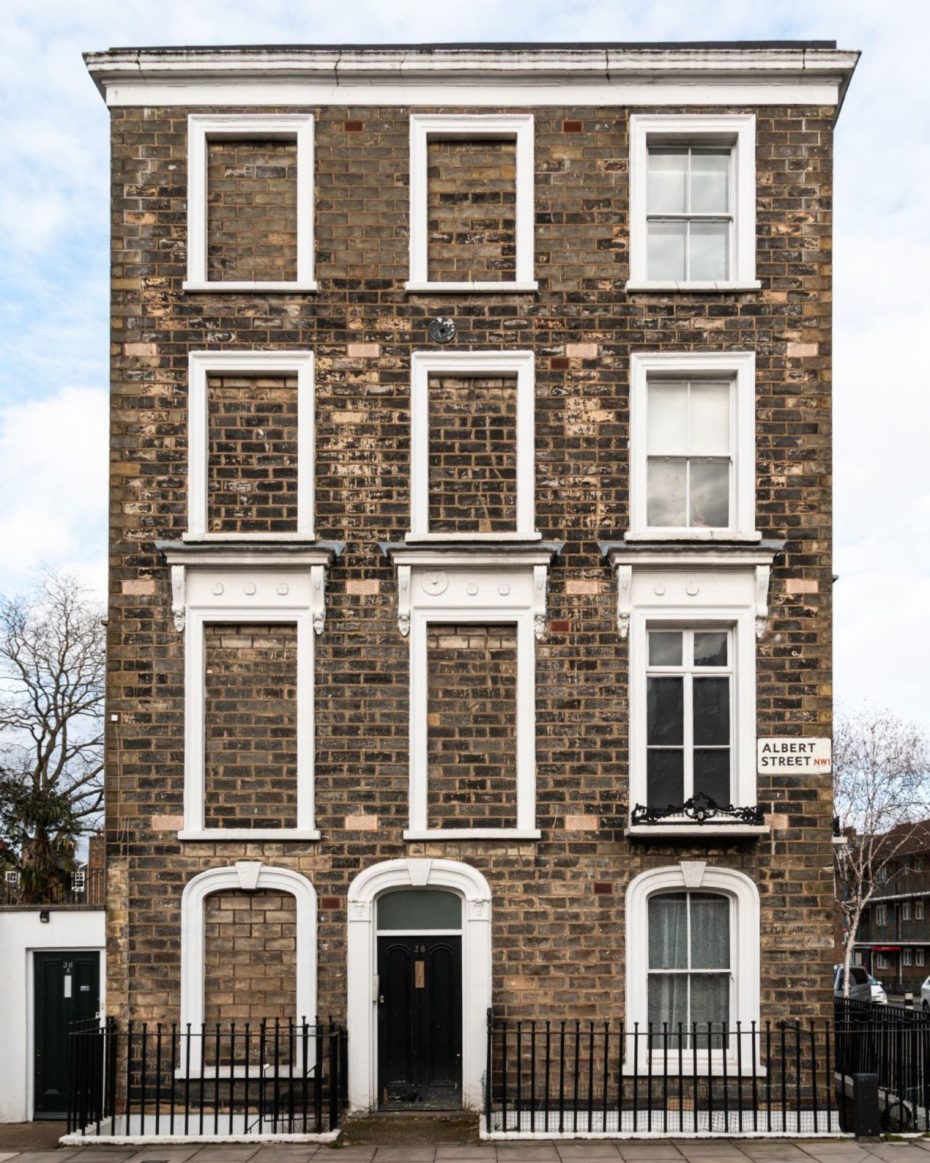
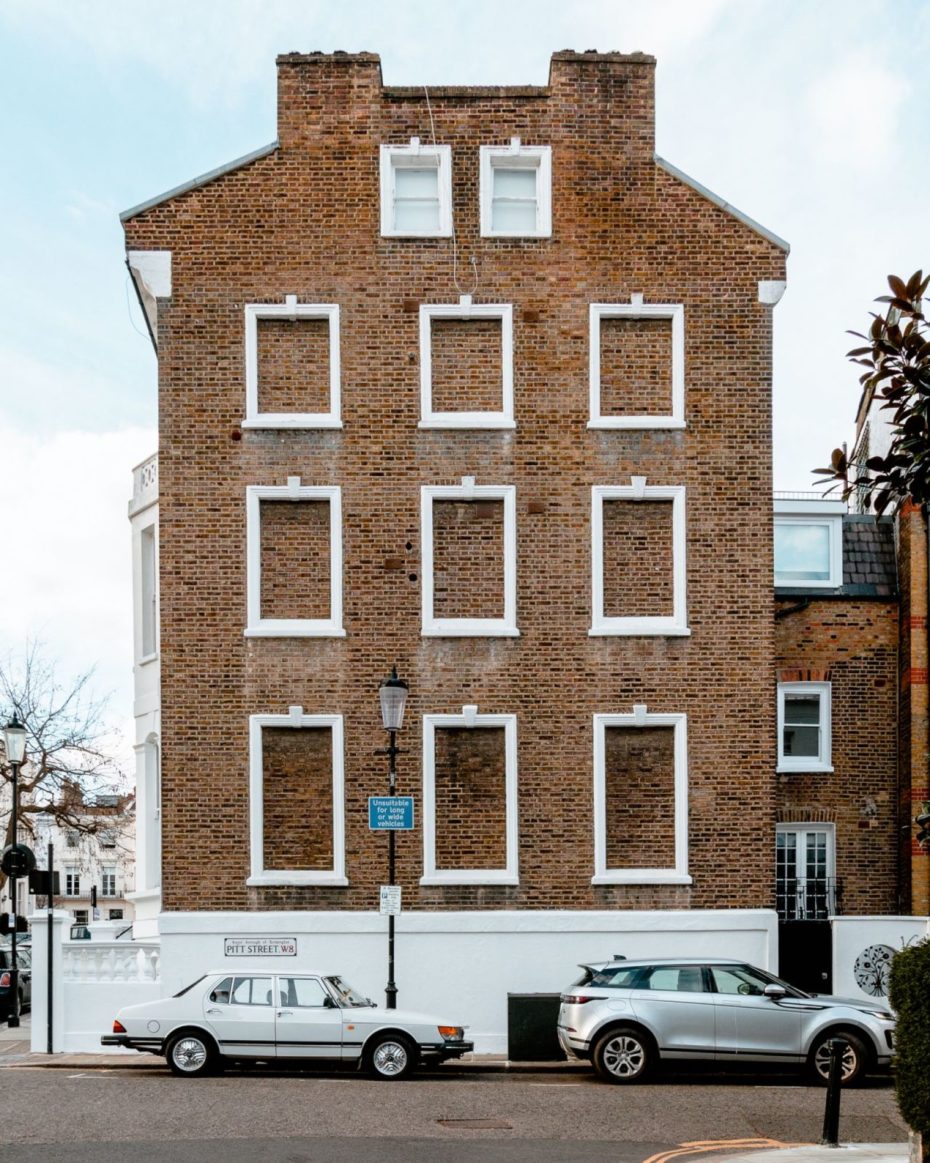
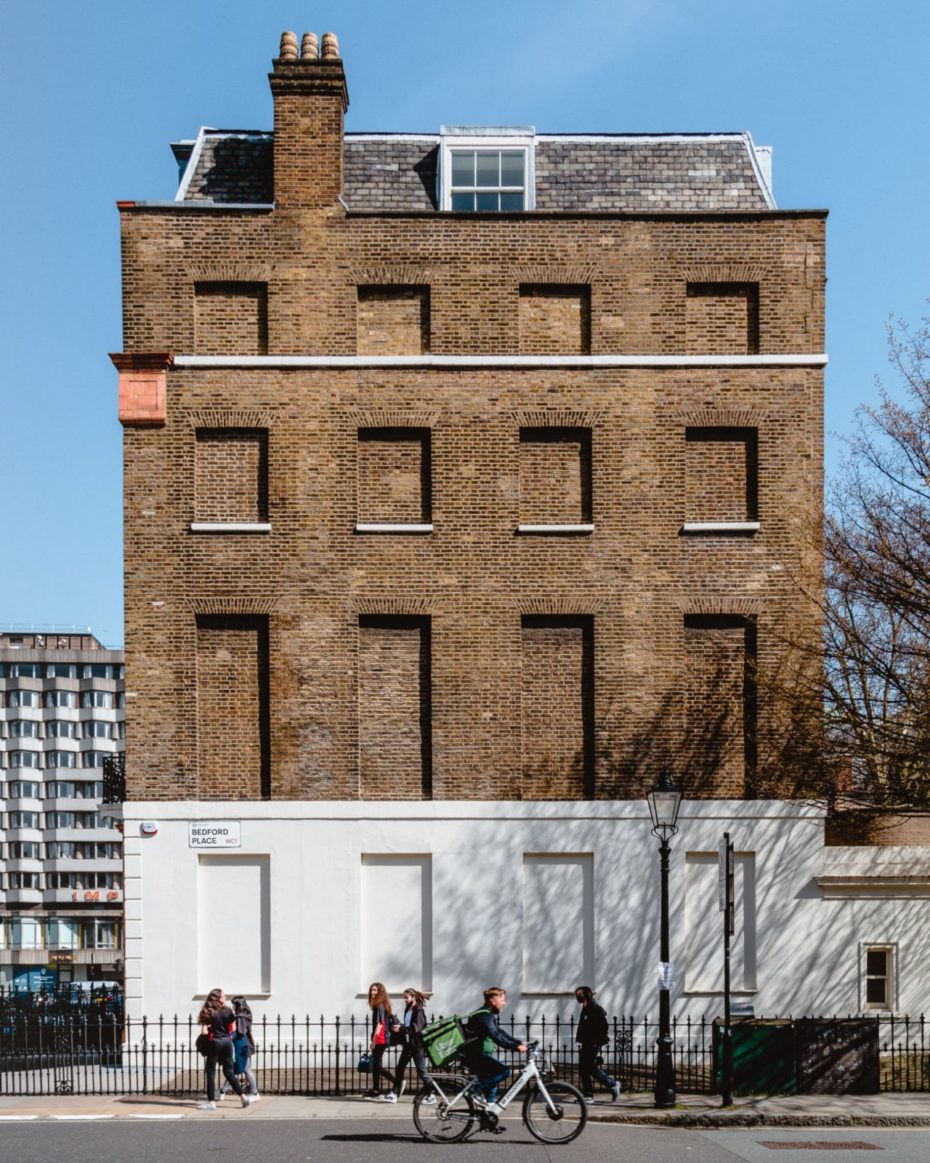
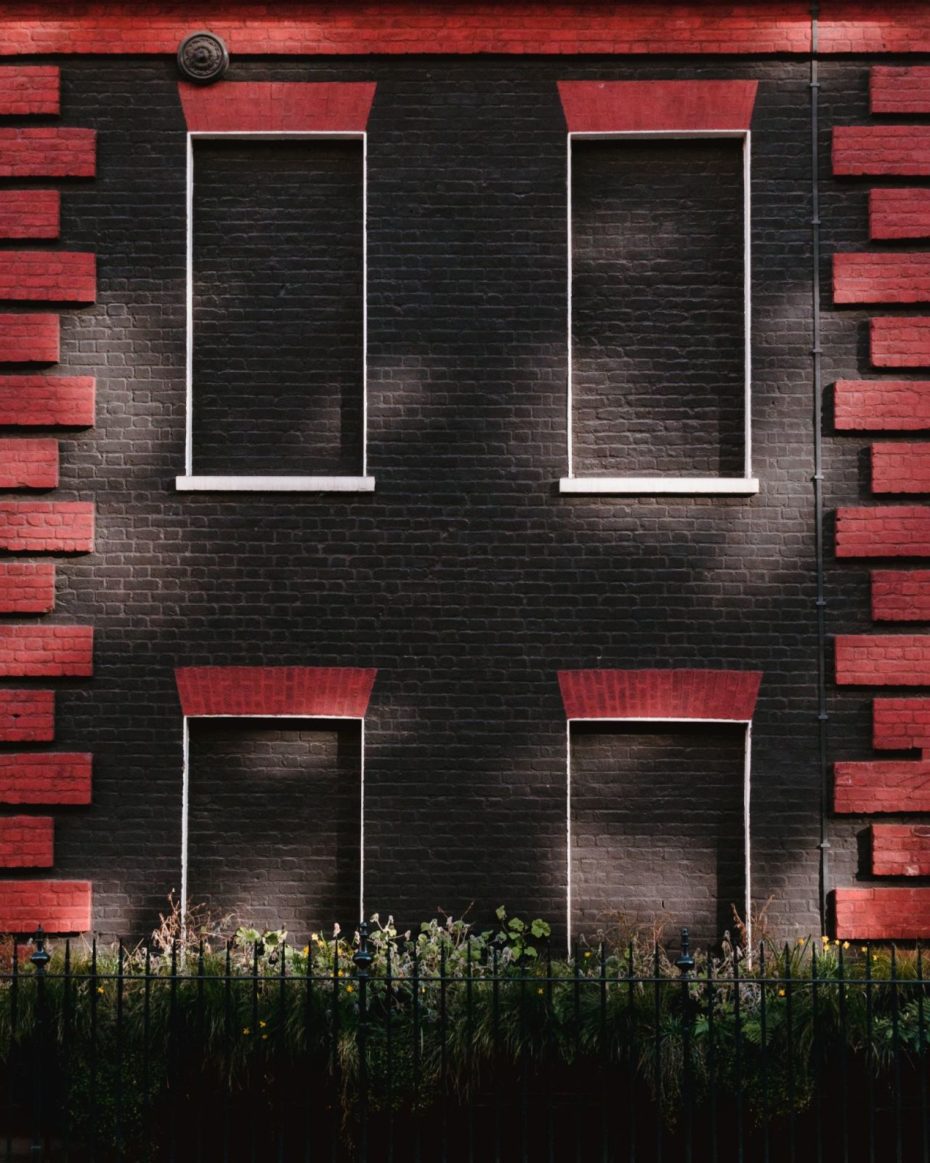
England wasn’t the only country to have a “window tax” – it was a significant social, cultural, and architectural force in England, France, and Ireland during the 18th and 19th centuries. People refused to disclose how much money they made, considering it an invasion of privacy – so you would be charged based on how many windows your house had. In retaliation, people bricked up their windows, which you can still see today.
DAYLIGHT ROBBERY documents the bricked up windows of London, originating from the Georgian-era Window Tax. The works examine the role that light and air play for our wellbeing in the spaces we inhabit, something more important than ever after the year we’ve all experienced.
Found via This isn’t Happiness.
9. Ukranian Railroad Ladies
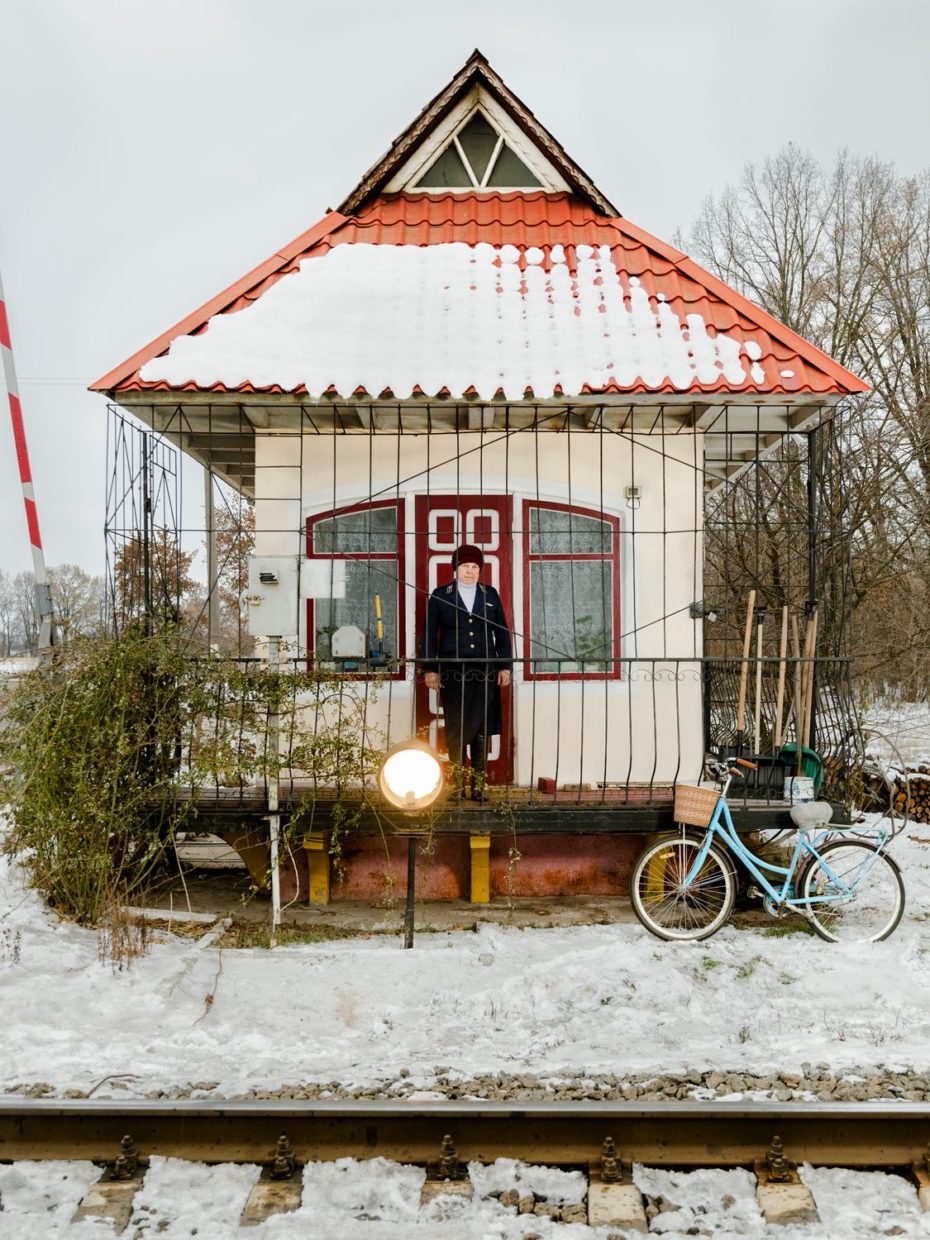
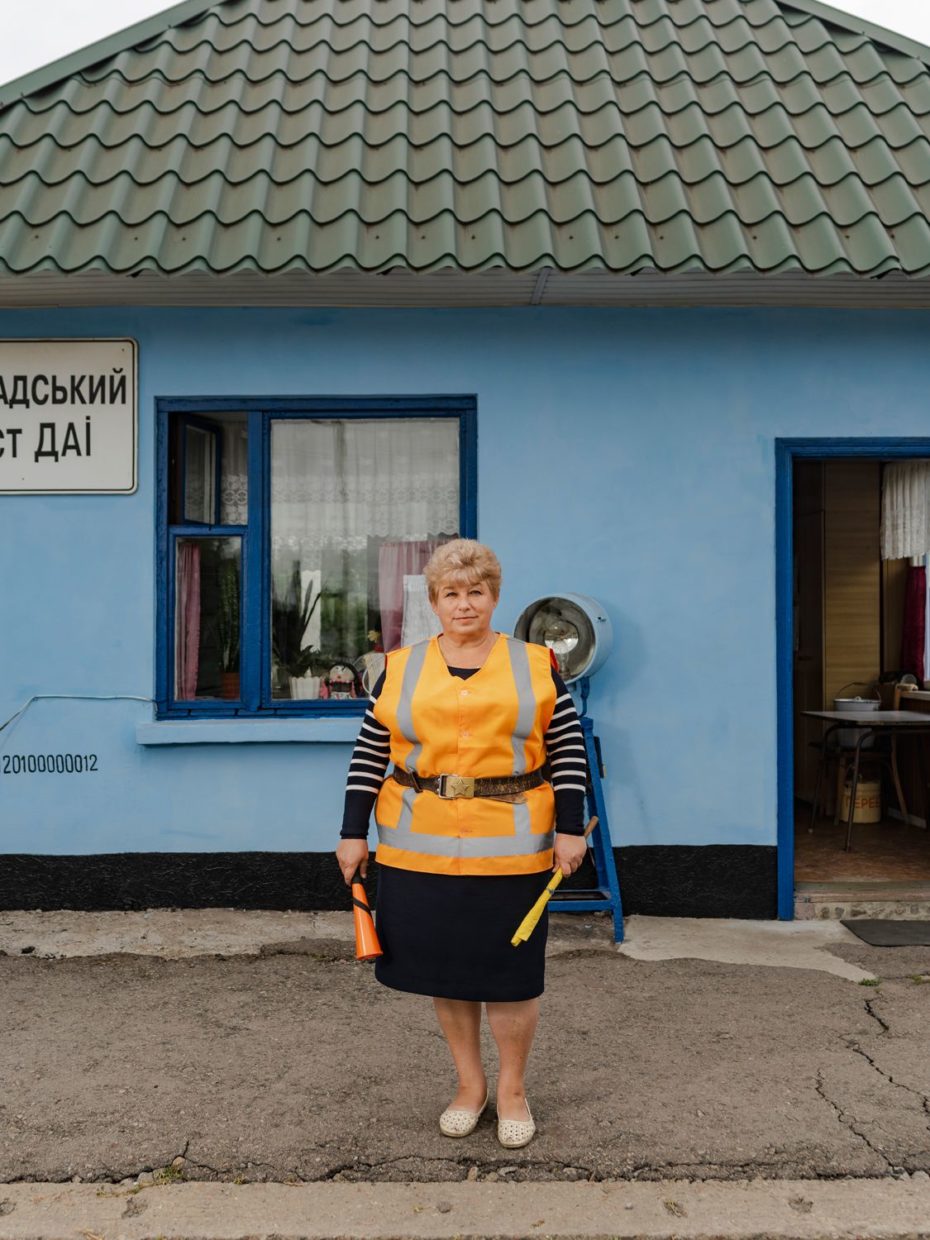
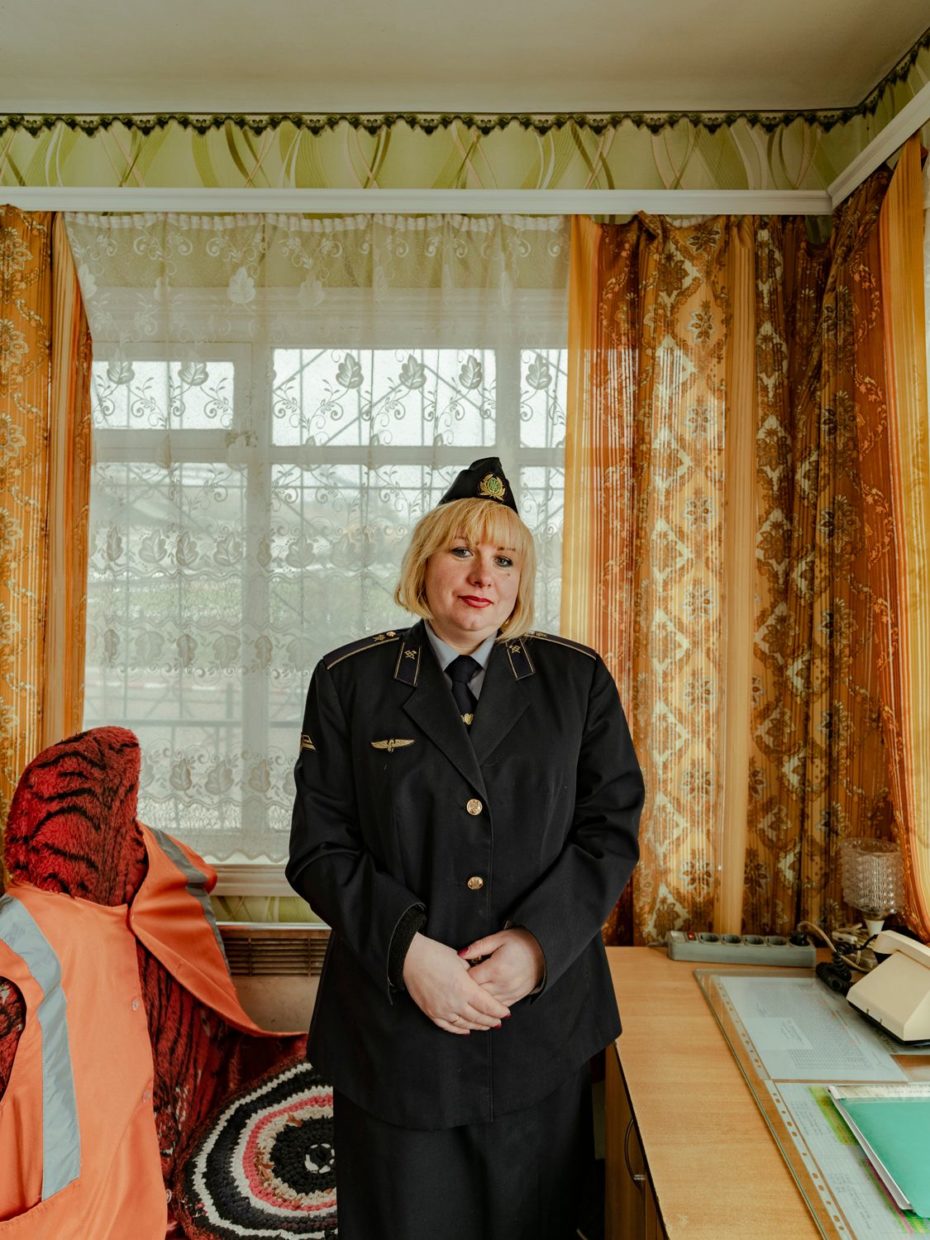
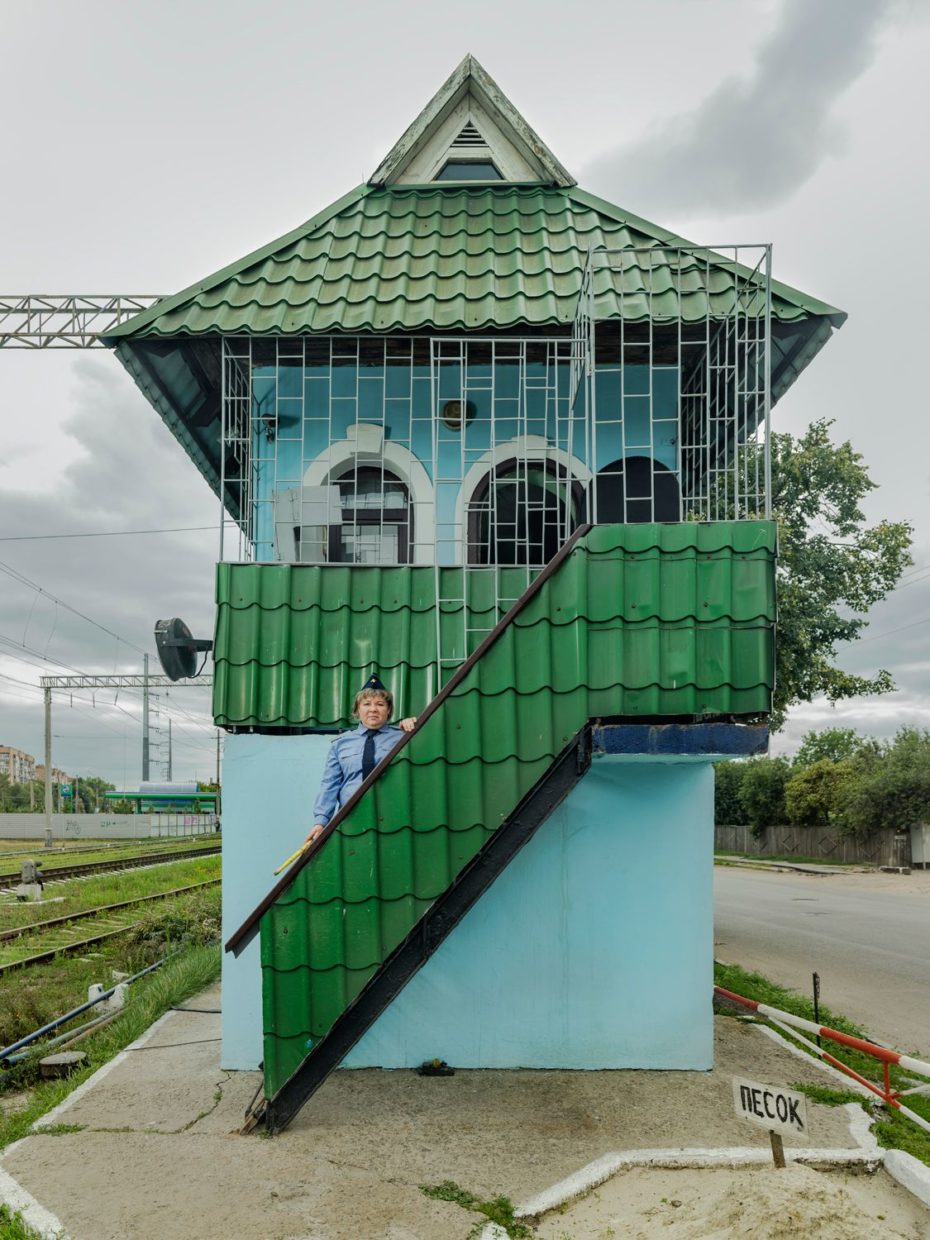
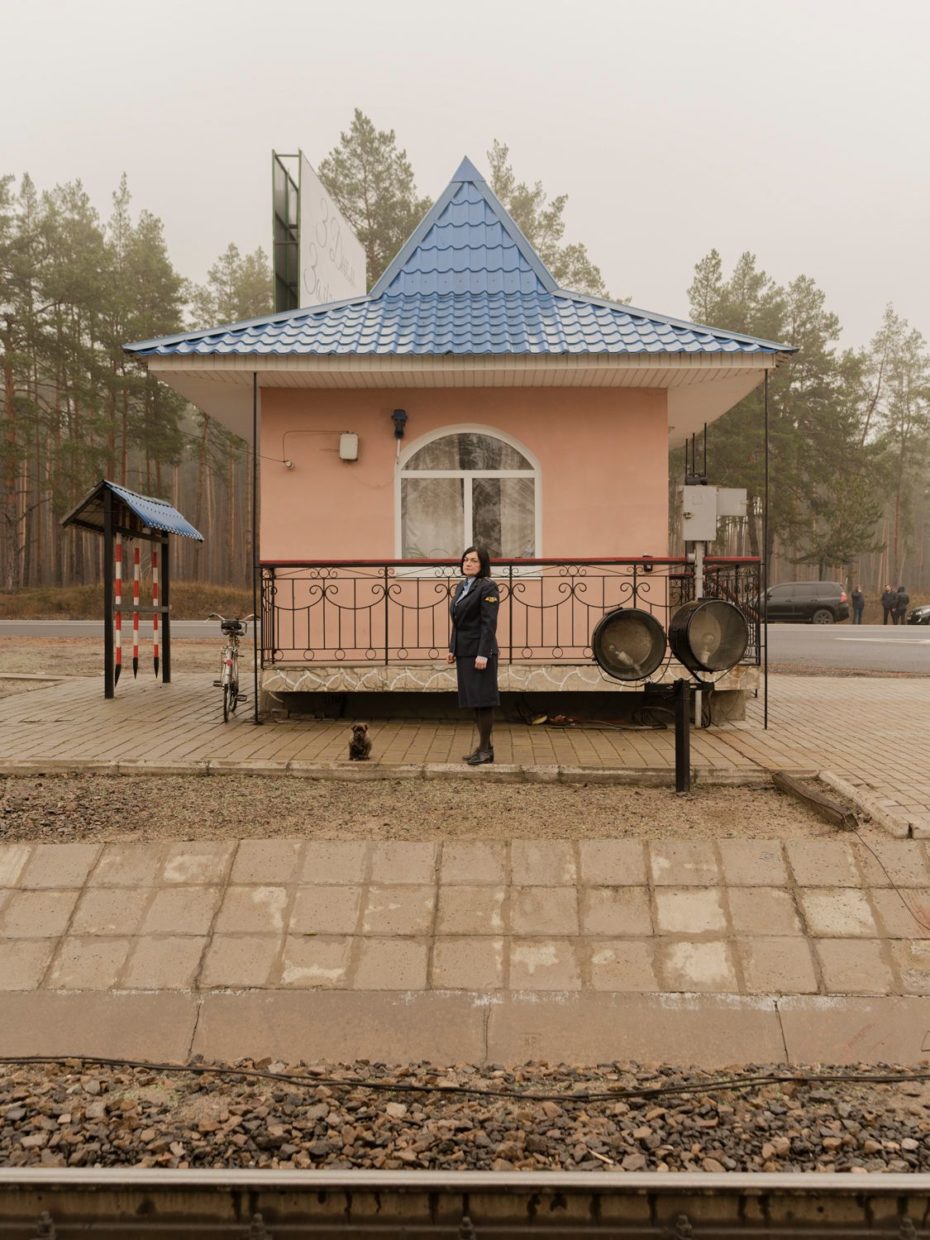
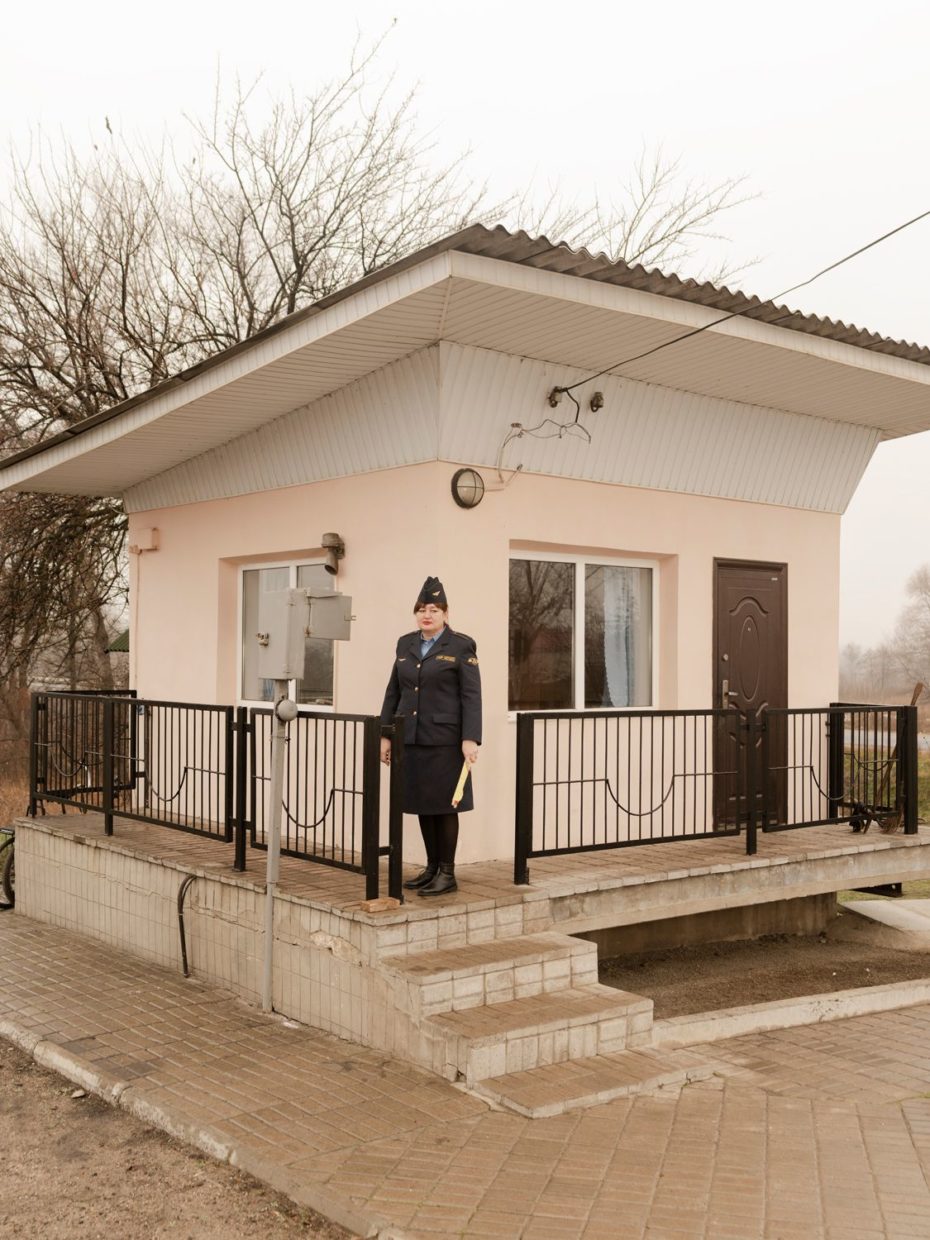
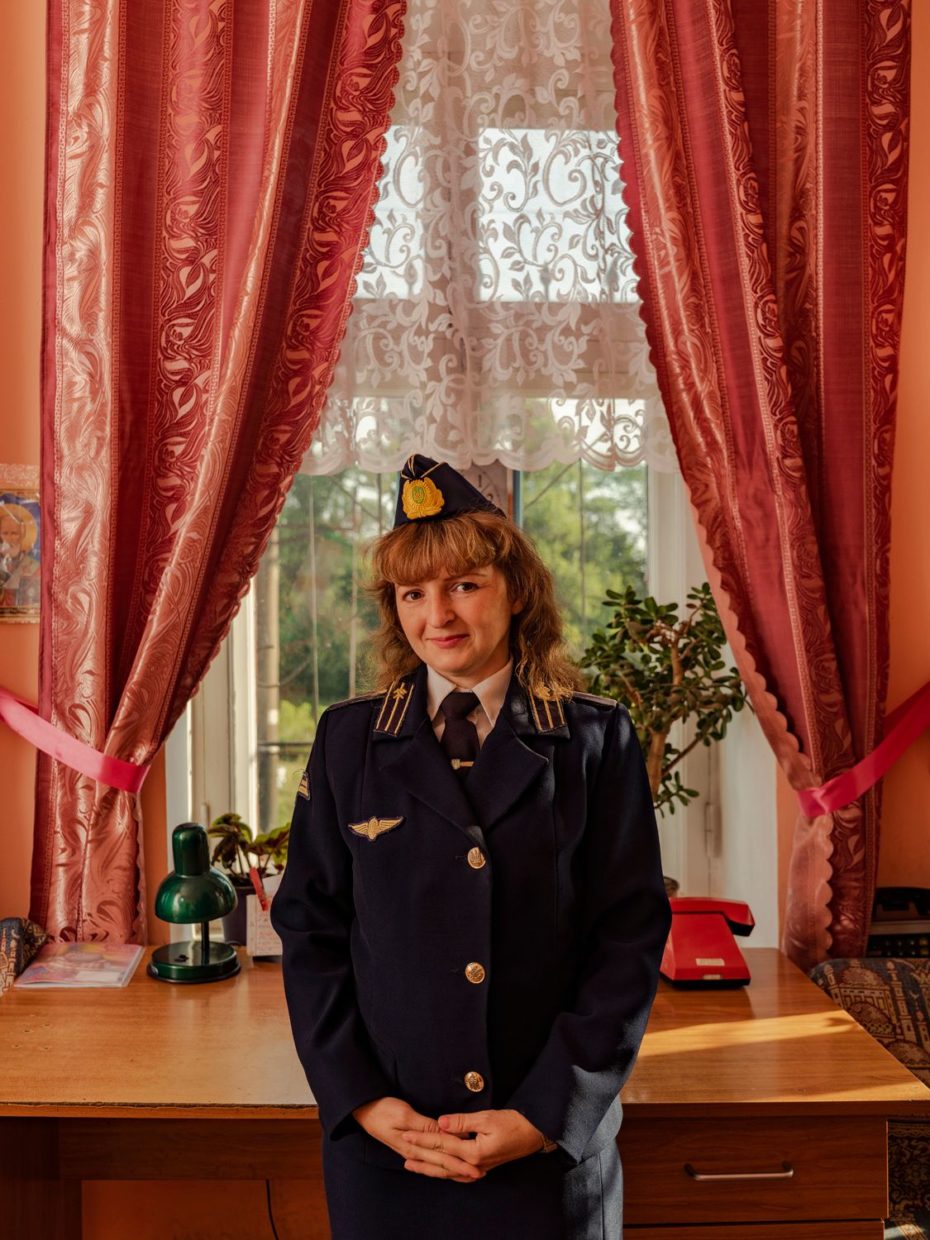
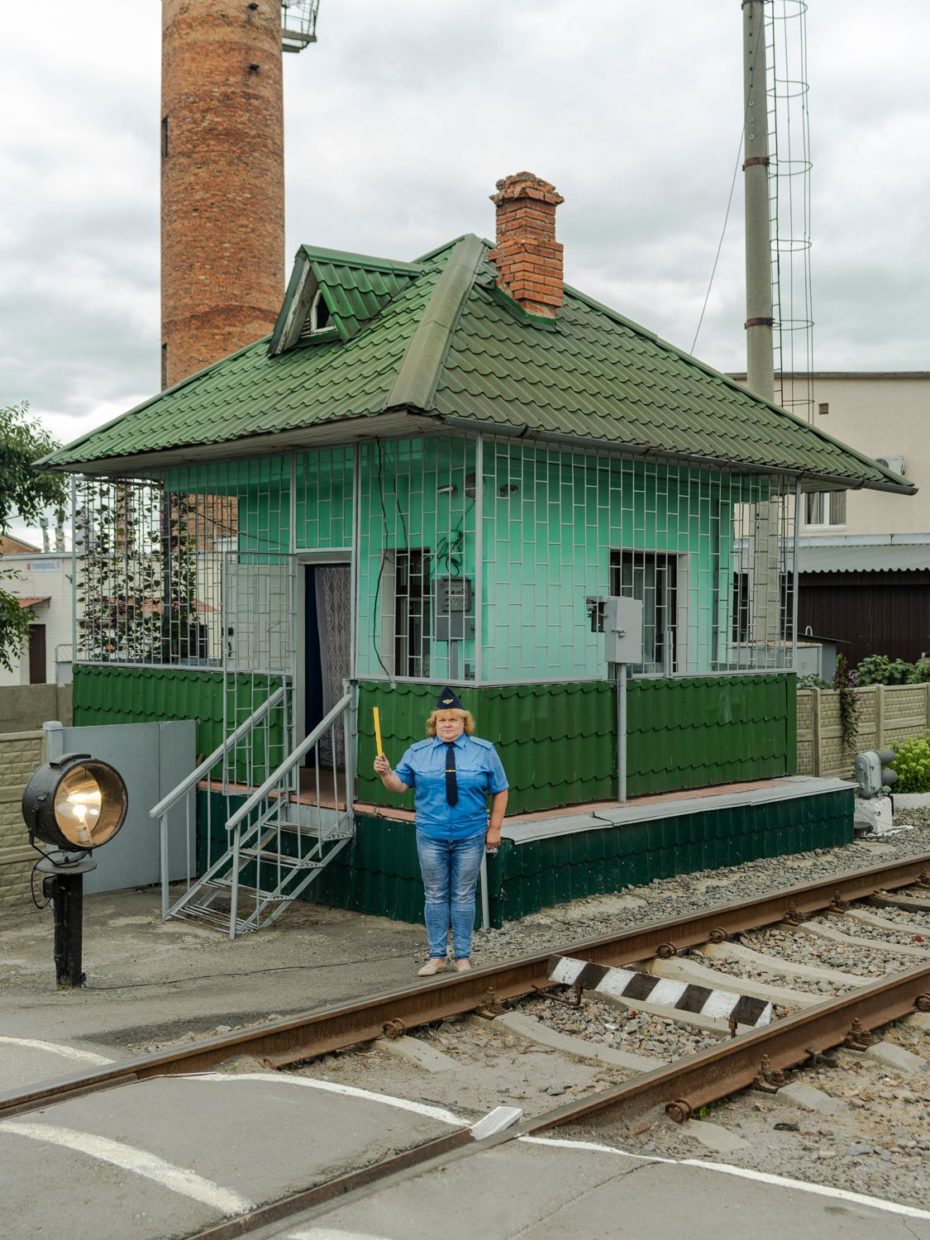
Like something out of a Wes Anderson movie.
Ukrainian Railroad Ladies is a series of portraits of women who work as traffic controllers and safety officers at railroad crossings in Ukraine. The women spend their long shifts in the little houses built specifically for them along the tracks … They are a symbol of certain things in this country that don’t change, standing firm in the present as a defiant nod to the past. They endure, unfazed by the passing of trains and time.
Photographed by Sasha Maslov, his project was discovered through the LensCulture Exposure Awards 2020.
10. A Shoe-fitting fluoroscope, an active x-ray machine that was used in shoe stores to see how well shoes fit
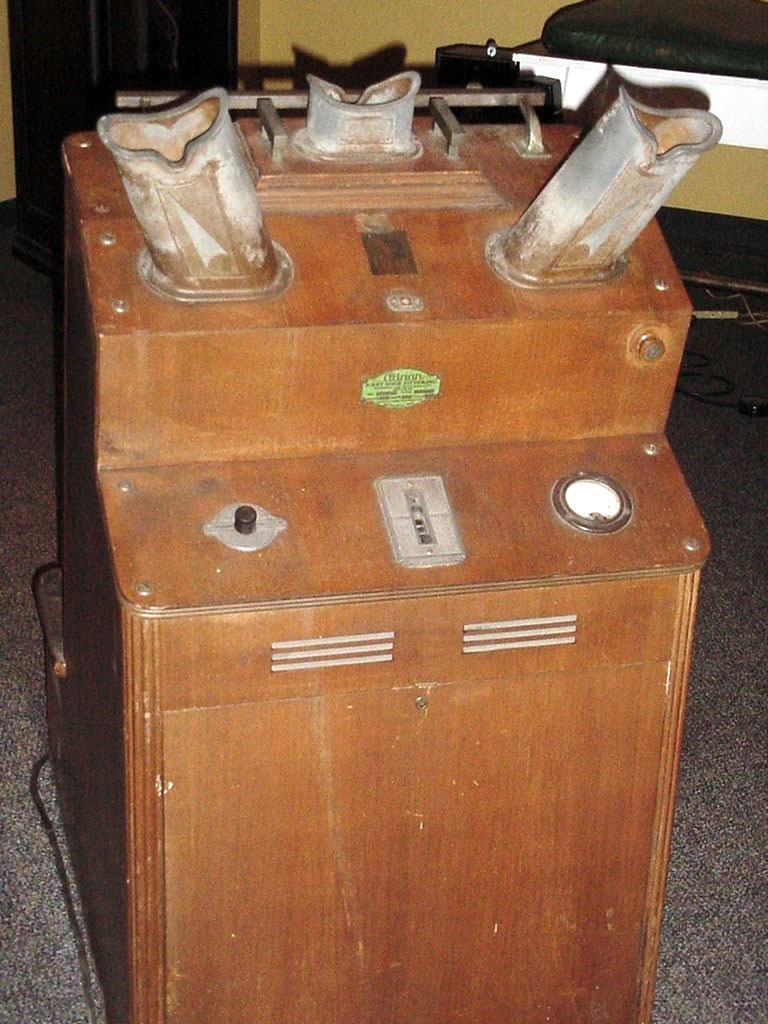
From the 1920s until the 1970s, shoe stores were dangerous places. At the center of the shopping experience was the shoe-fitting fluoroscope—a pseudoscientific machine that became a token of mid-century marketing deception. At the beginning of the 1930s, Bally was the first company to import the X-ray Shoe Fitters, also known as pedoscopes into Switzerland from the UK. Primarily marketed for use with children, the child (or the adult customer) would place their feet in the opening provided and while remaining in a standing position, look through a viewing porthole at the top of the fluoroscope down at the X-ray view of the feet and shoes. Two other viewing portholes on either side enabled the parent and a sales assistant to observe the child’s toes being wiggled to show how much room for the toes there was inside the shoe. The bones of the feet were clearly visible. The “foot-o-scope” eventually fell out of favour because of health concerns but not until the 1970’s and no follow-up studies of customers can be performed for lack of records.
Found on Wikipedia.
11, Folding Bath Tub
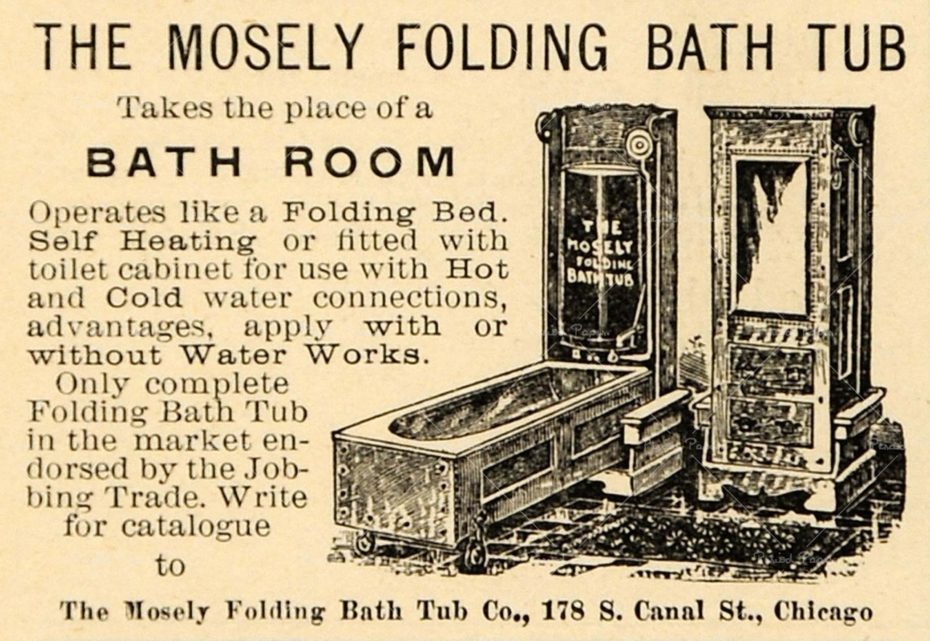
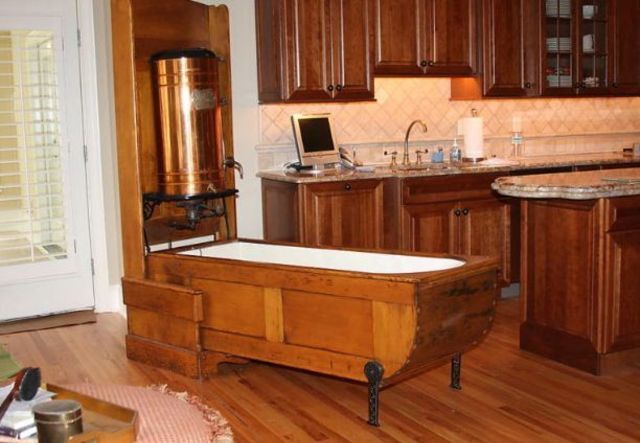
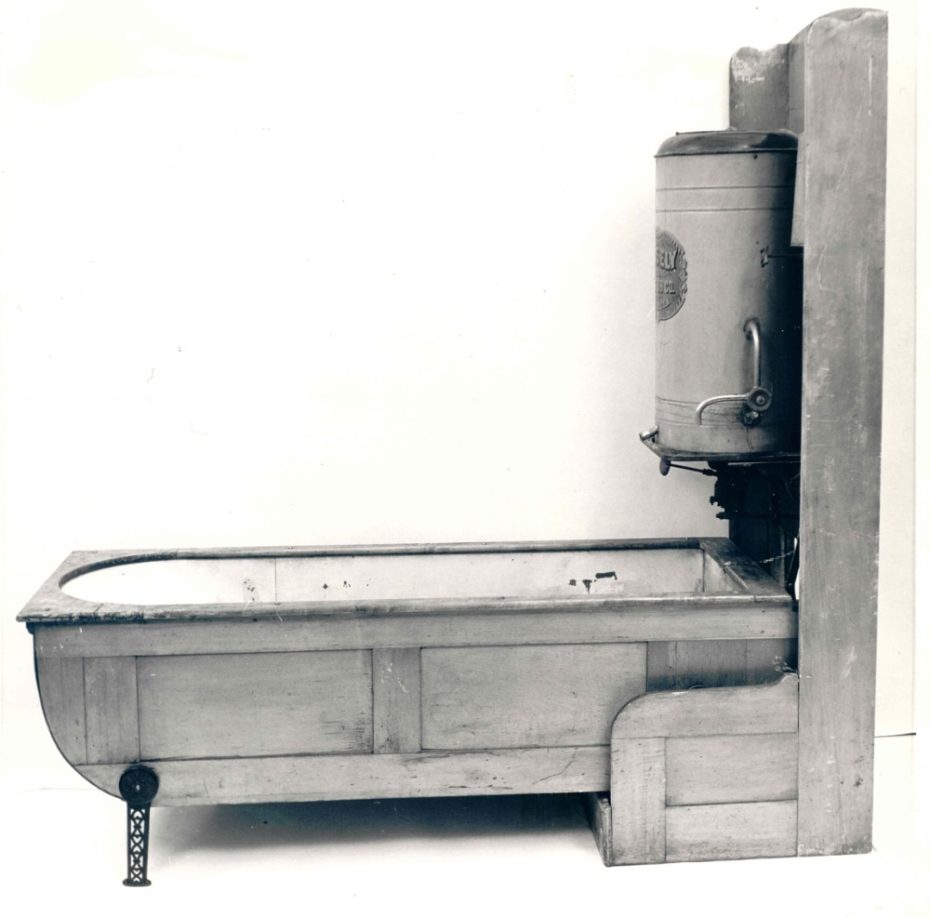
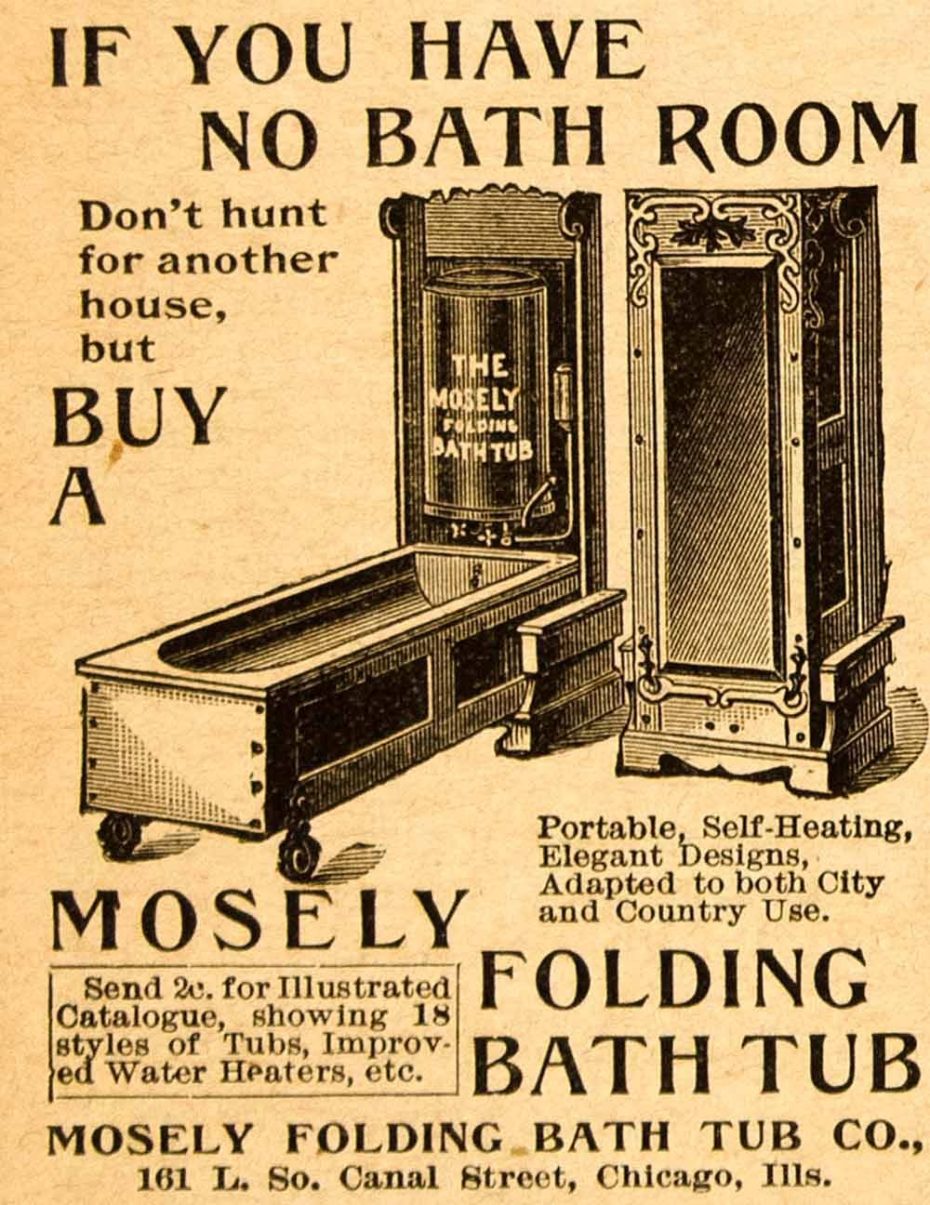
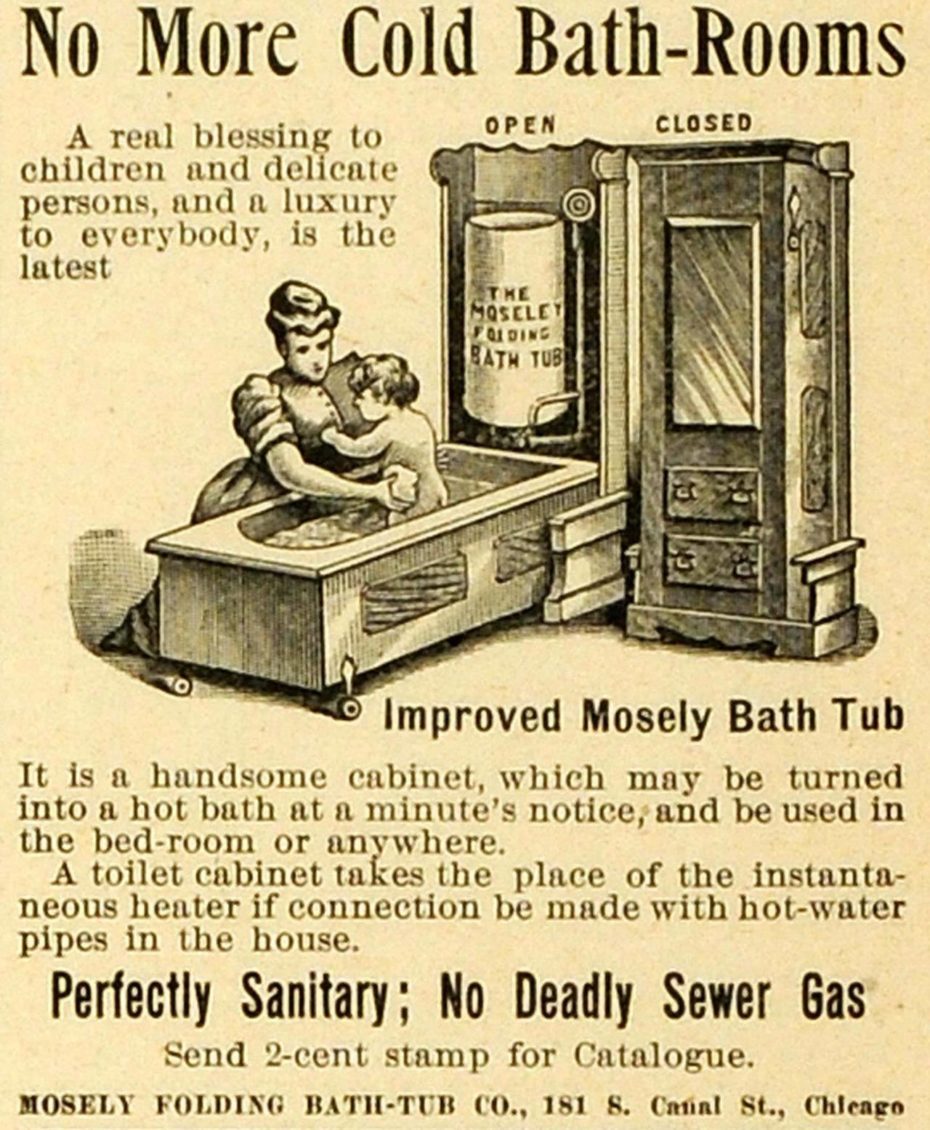
Found on Vintage Everyday.
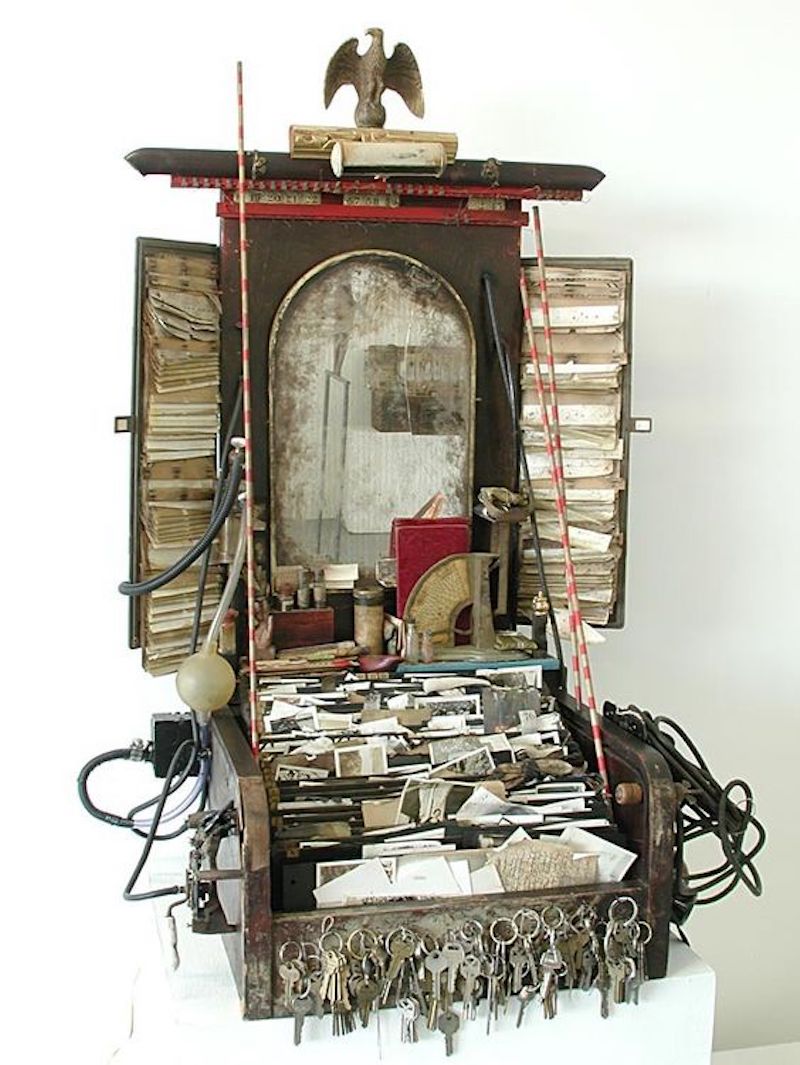
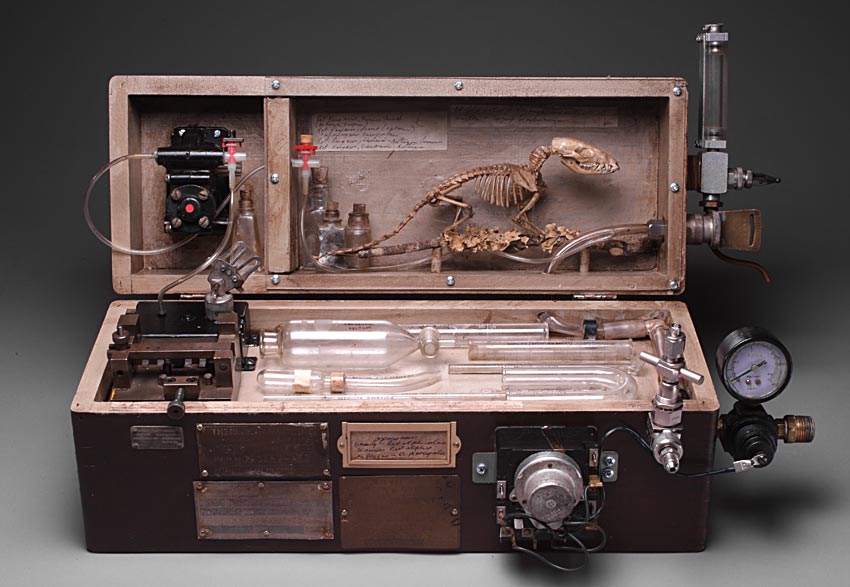
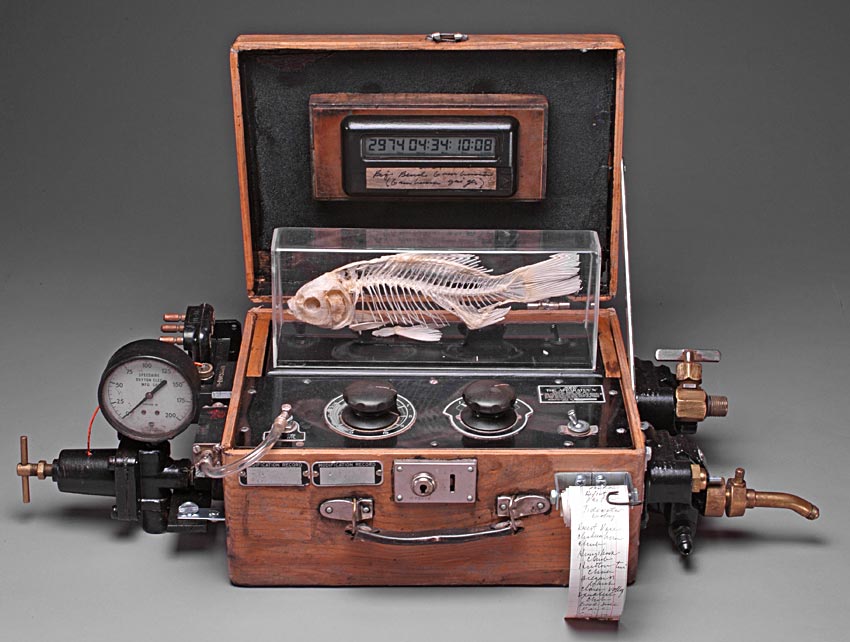
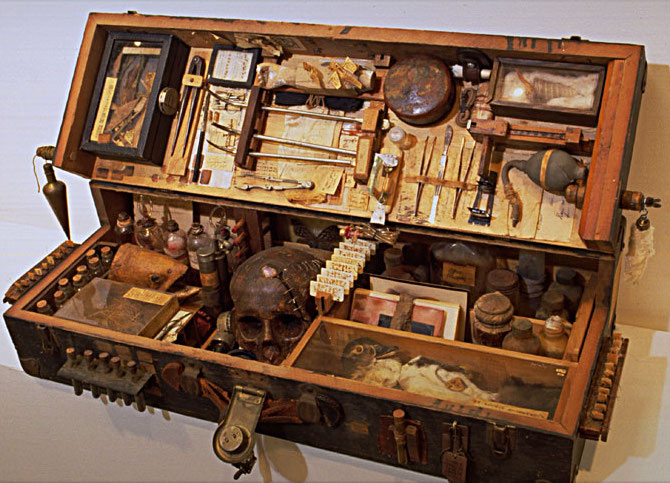
12. Ron Pippin’s Curious Cabinets
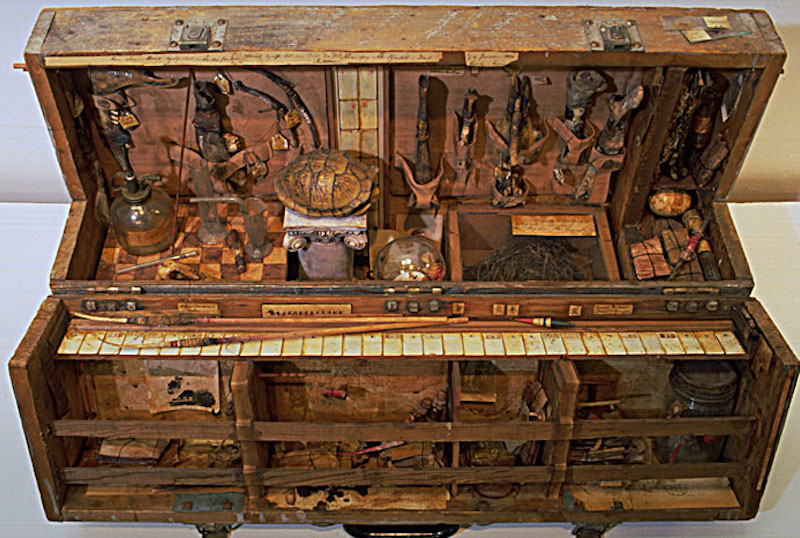
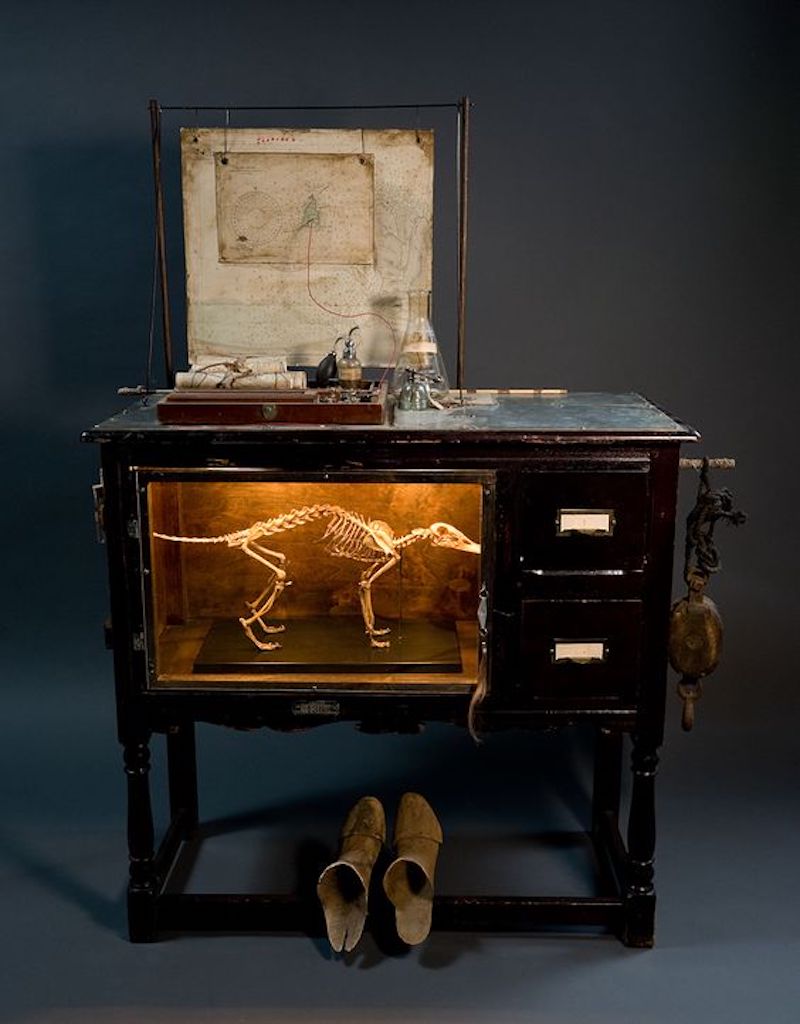
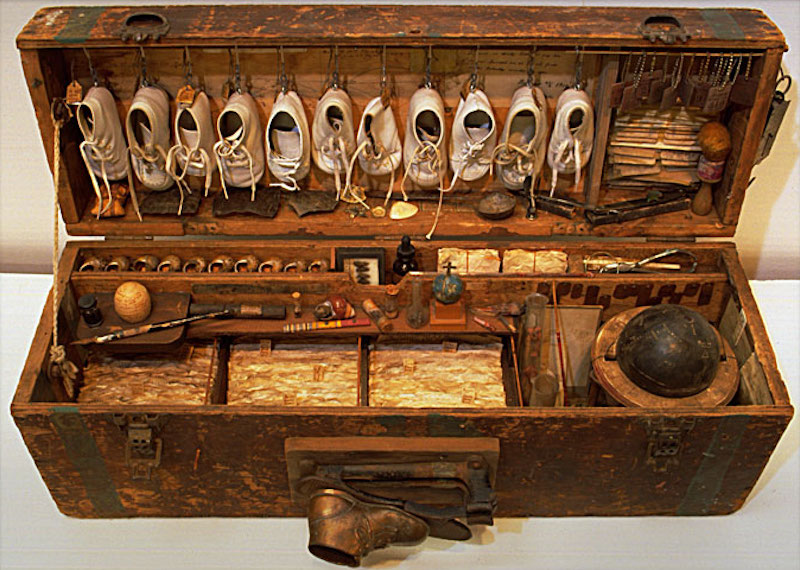
Find his work here.