

1. When two chins were better than one
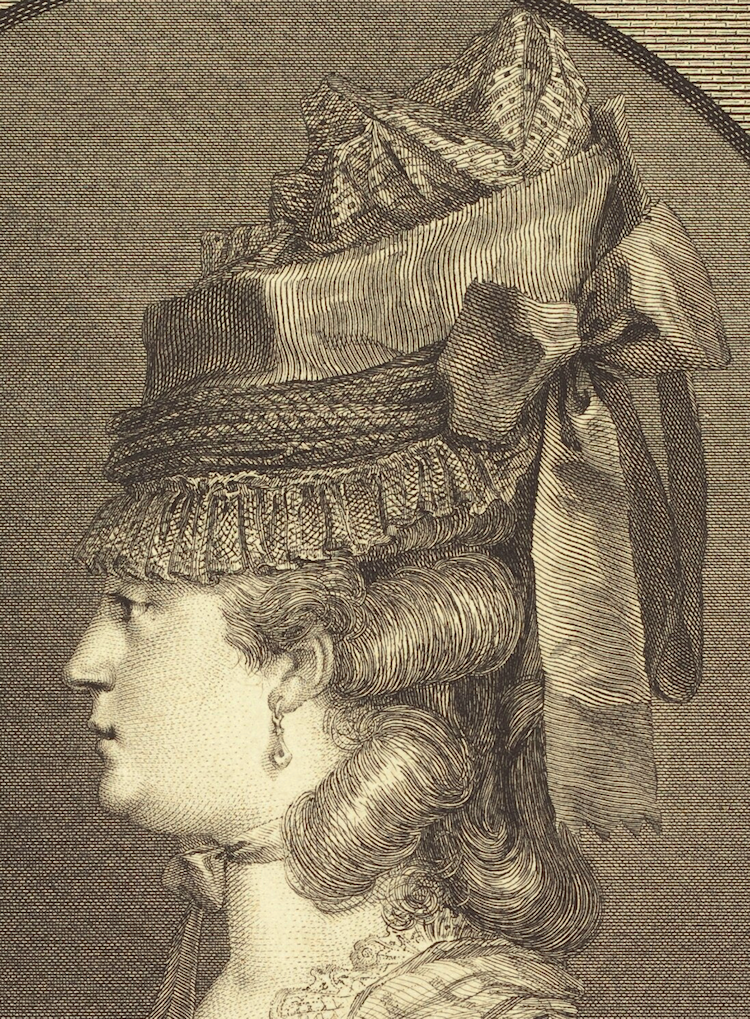
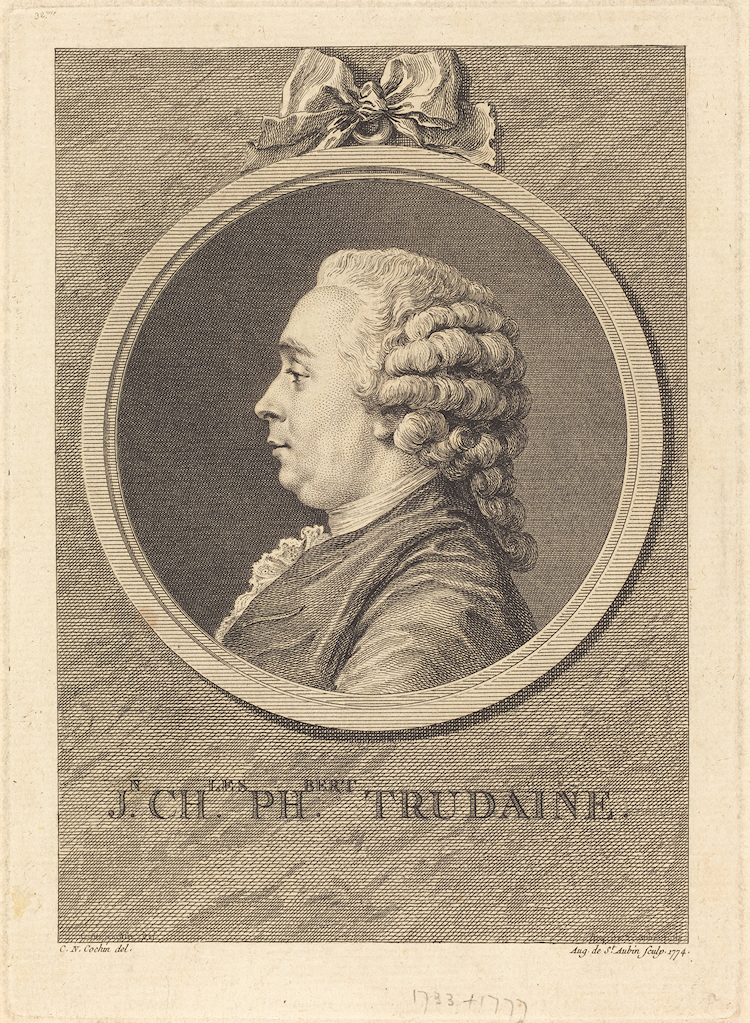
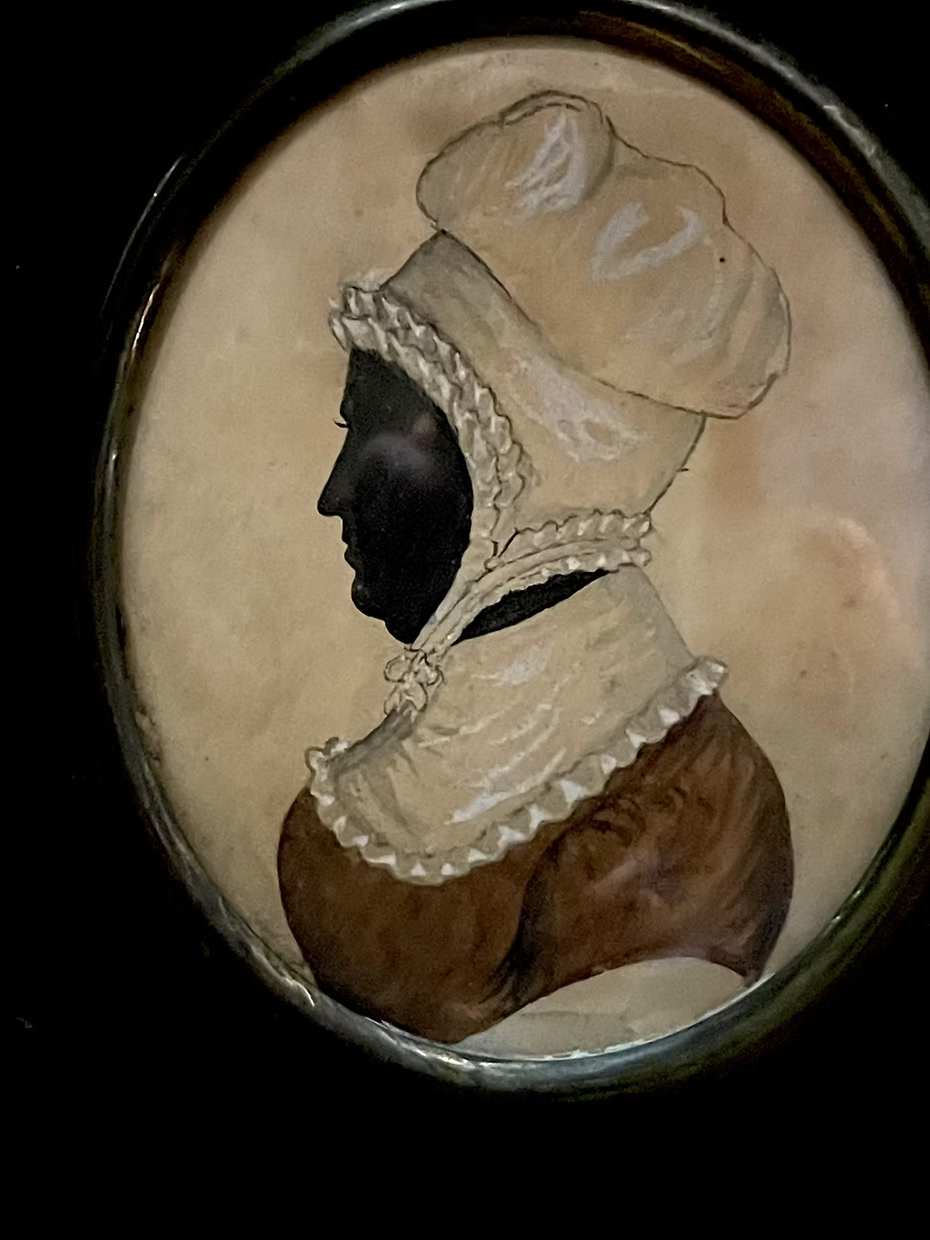
Spend enough time looking at old portraits and engravings like I do and you’ll start to notice the refreshingly soft, rounded necks, rendered almost deliberately by the artist as if it was the sitter’s wish to proudly accentuate a double chin. During the Renaissance and into the 17th and 18th centuries, beauty and good health was often associated with soft, rounded features rather than the sharply defined jawlines fashionable today. The 16th-century French physician Jean Liébault reportedly included a double chin among the desirable attributes of a beautiful woman.
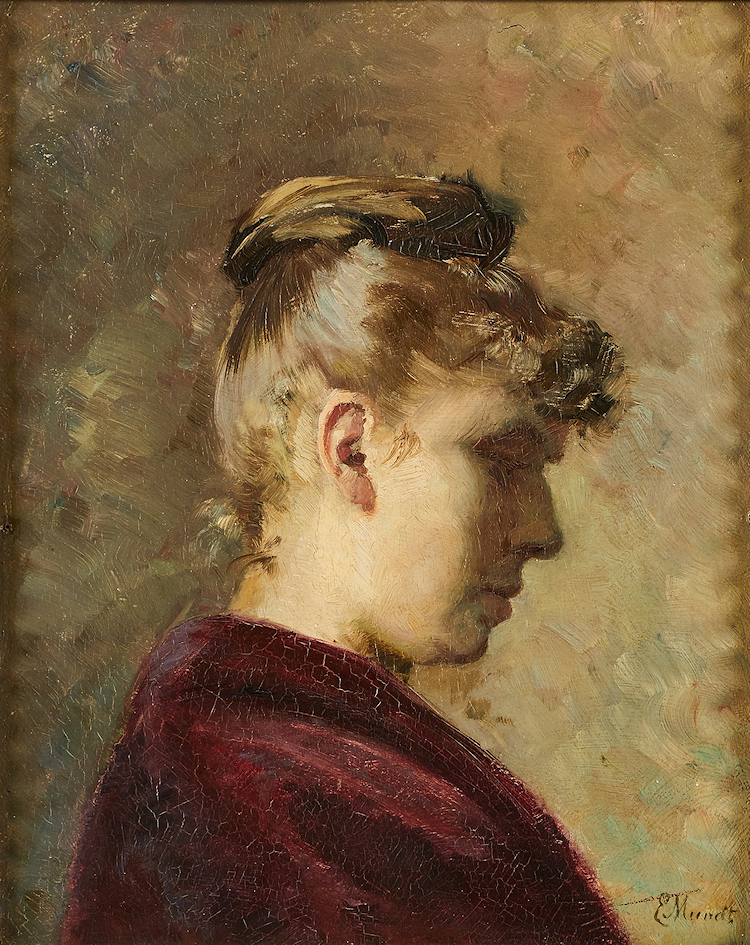
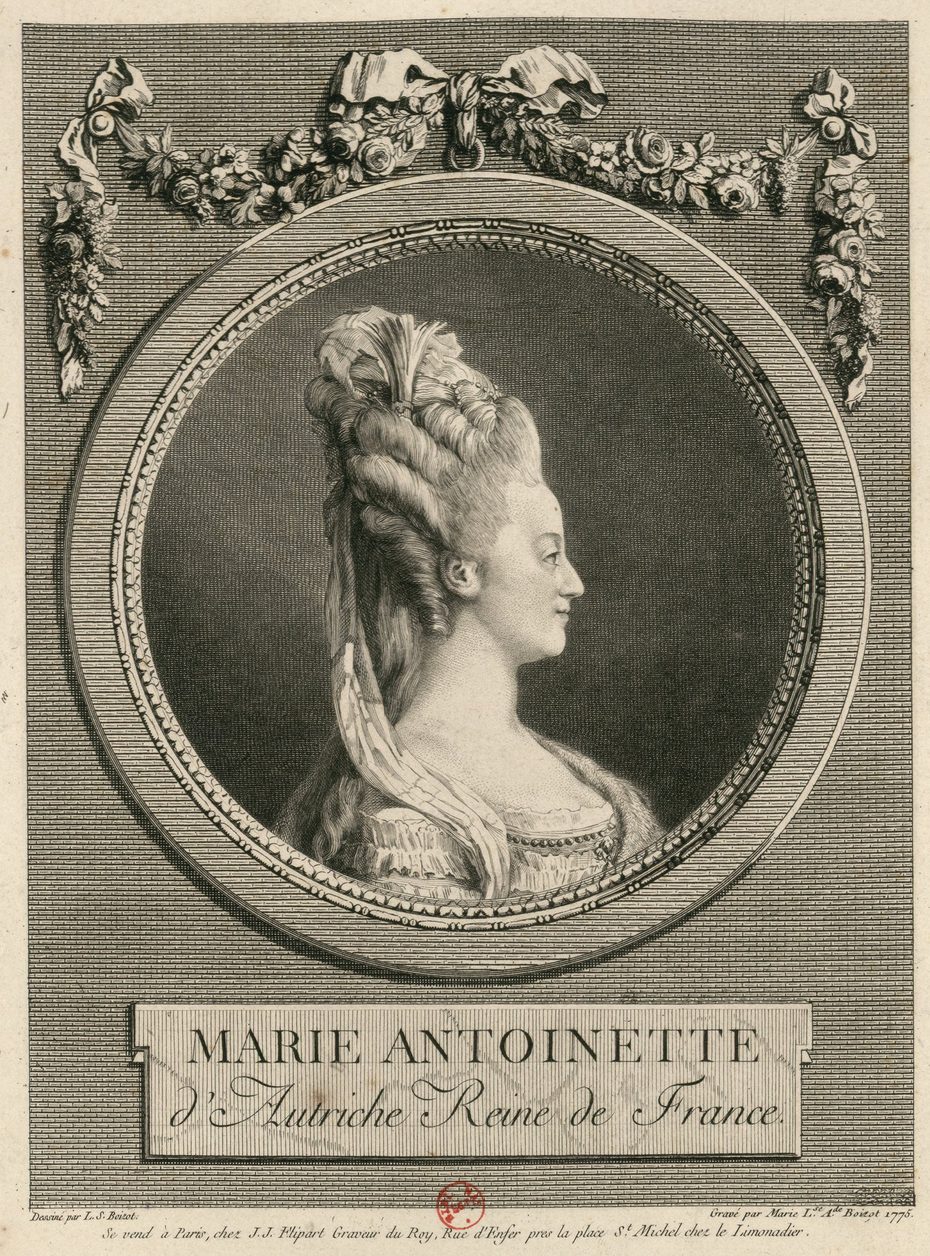
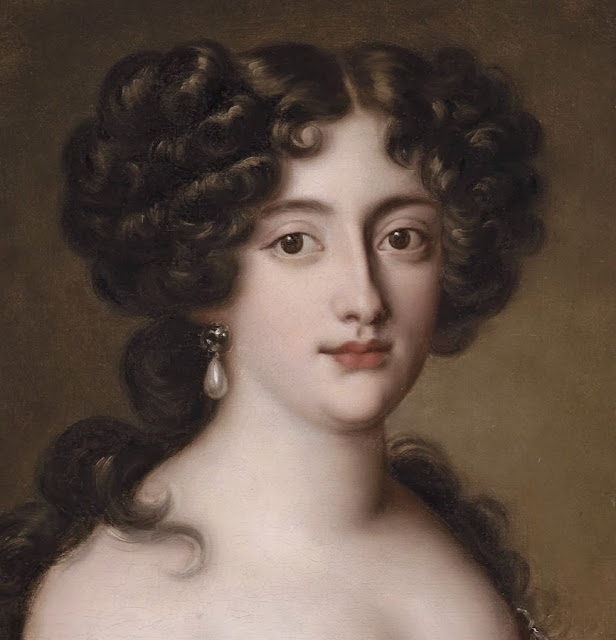
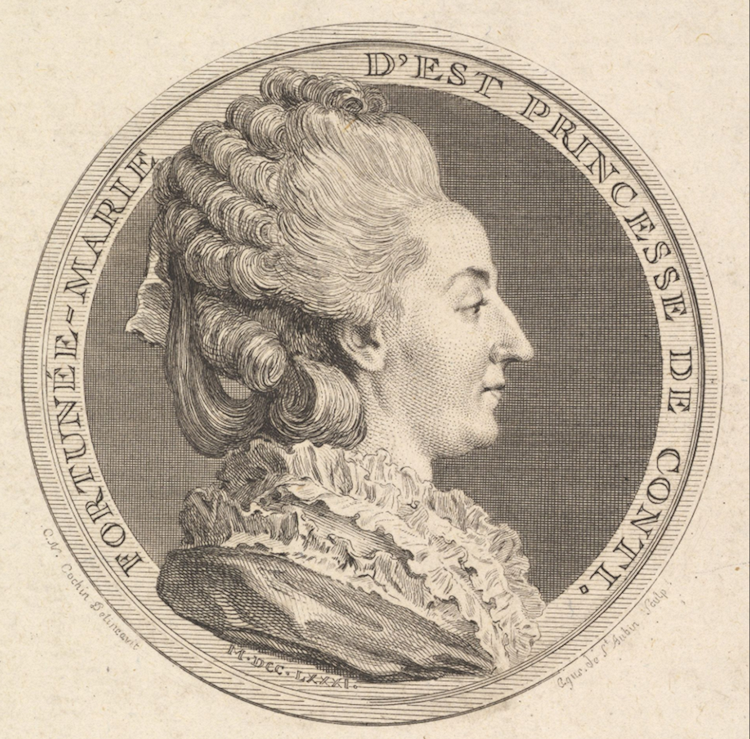
Various prints and portraits found via Wikimedia.
2. Contents of an Ostrich’s Stomach (ca. 1930)
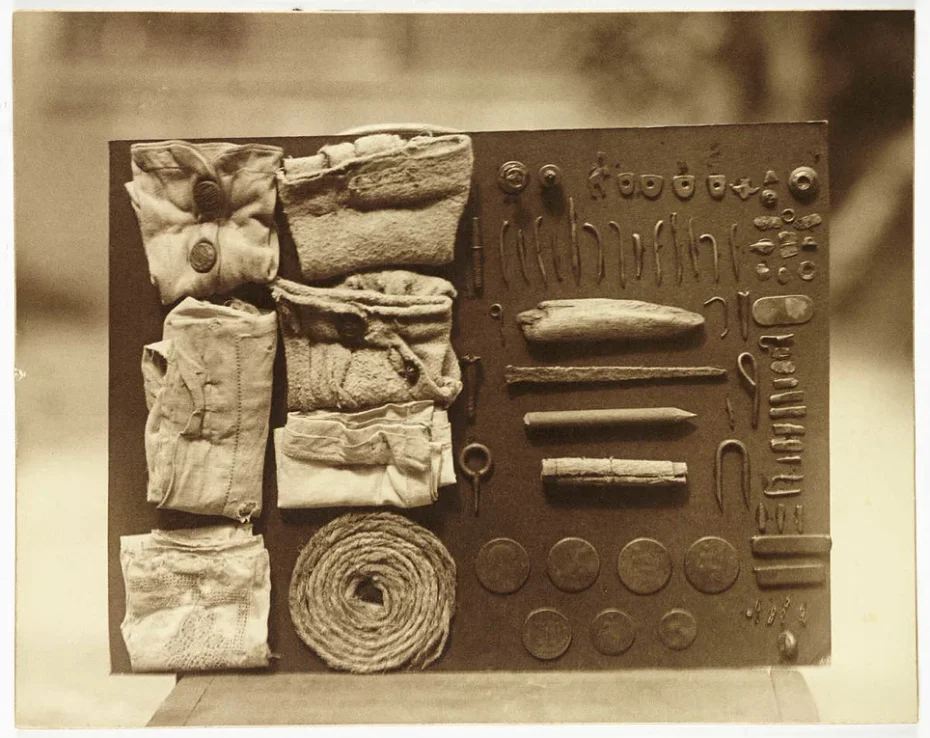
Taken by Frederick William Bond, photographer at the Zoological Society of London, this unusual image shows the contents of an ostrich’s stomach extracted after its death.
Found on the Public Domain Review.
3. This little masterpiece of felt
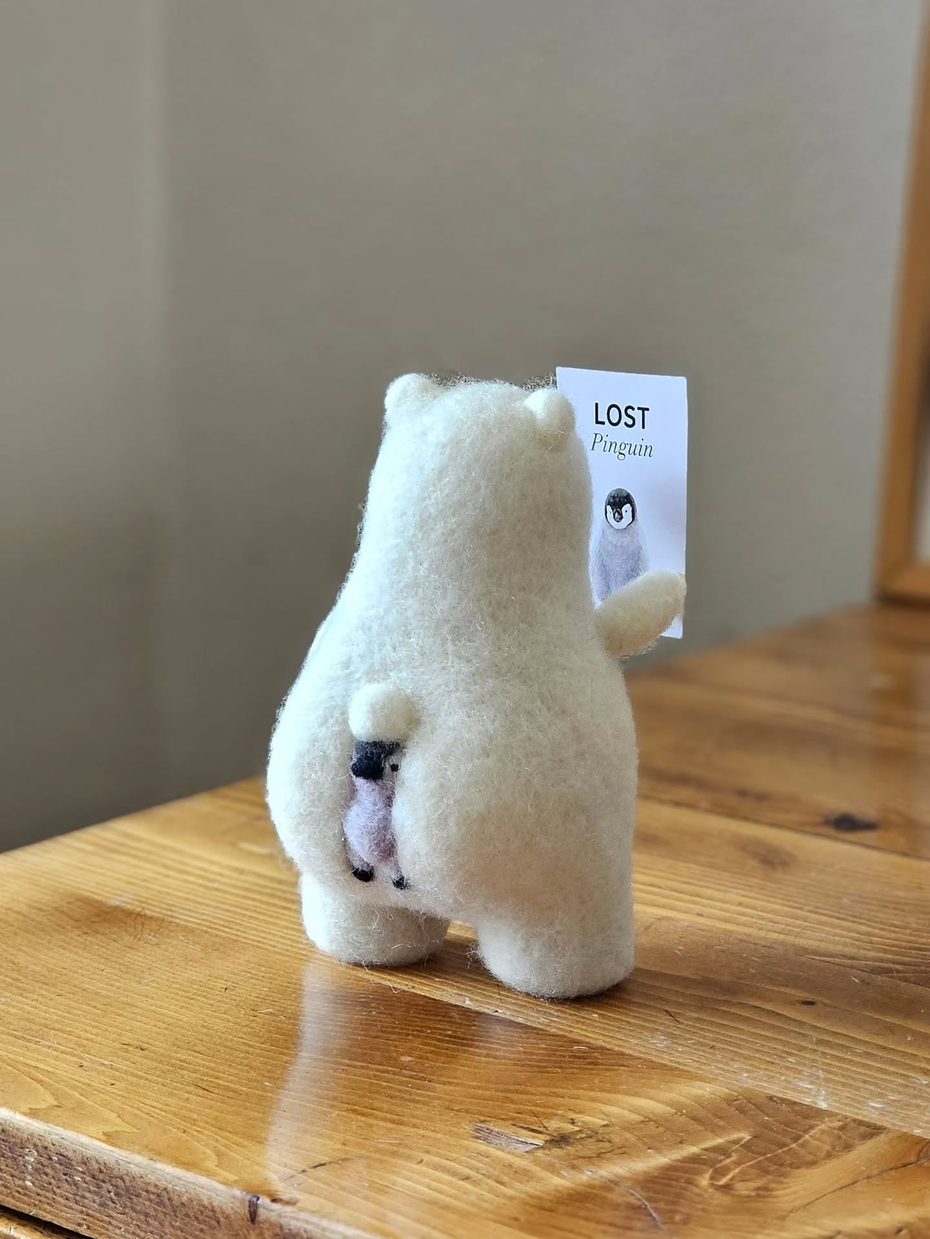
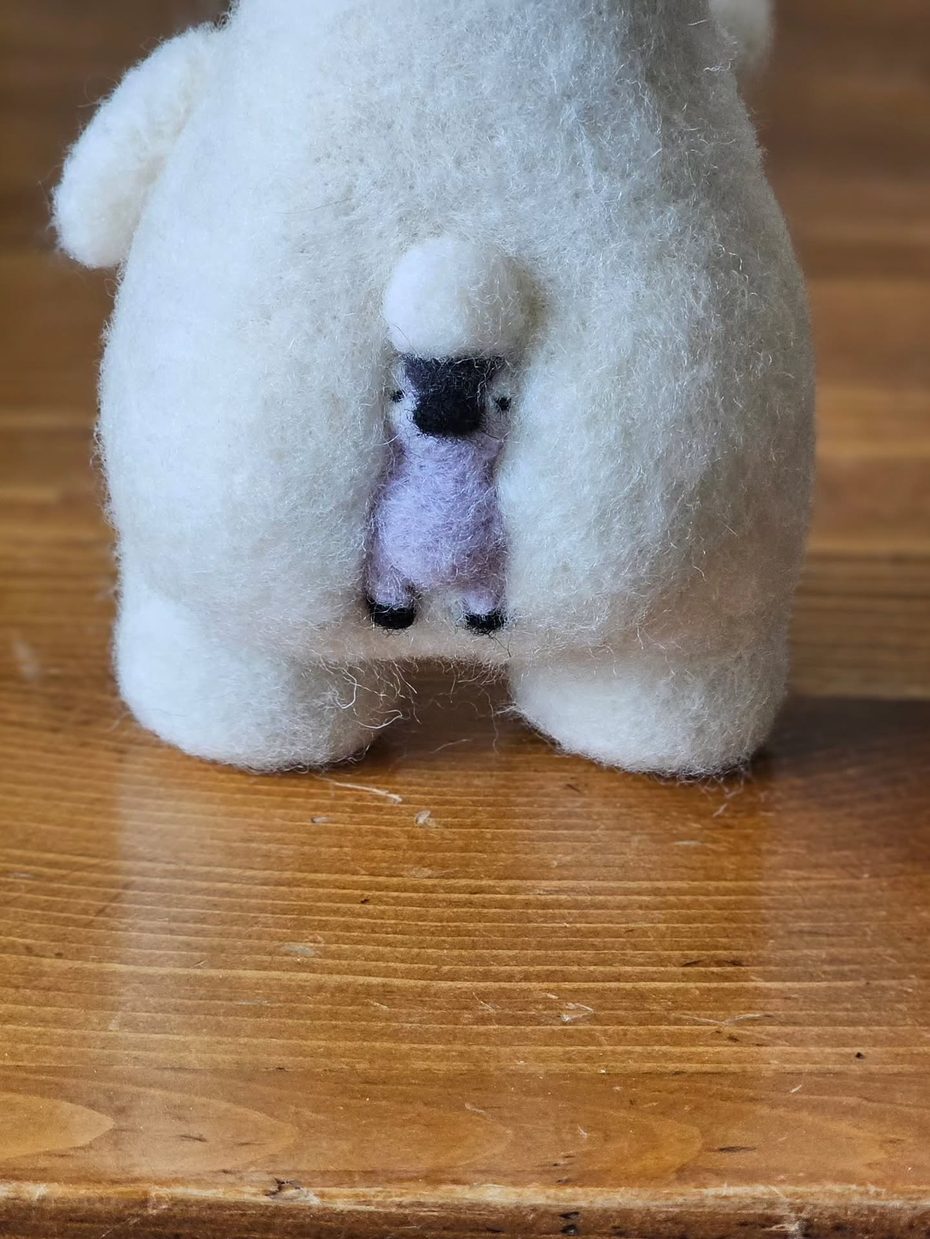
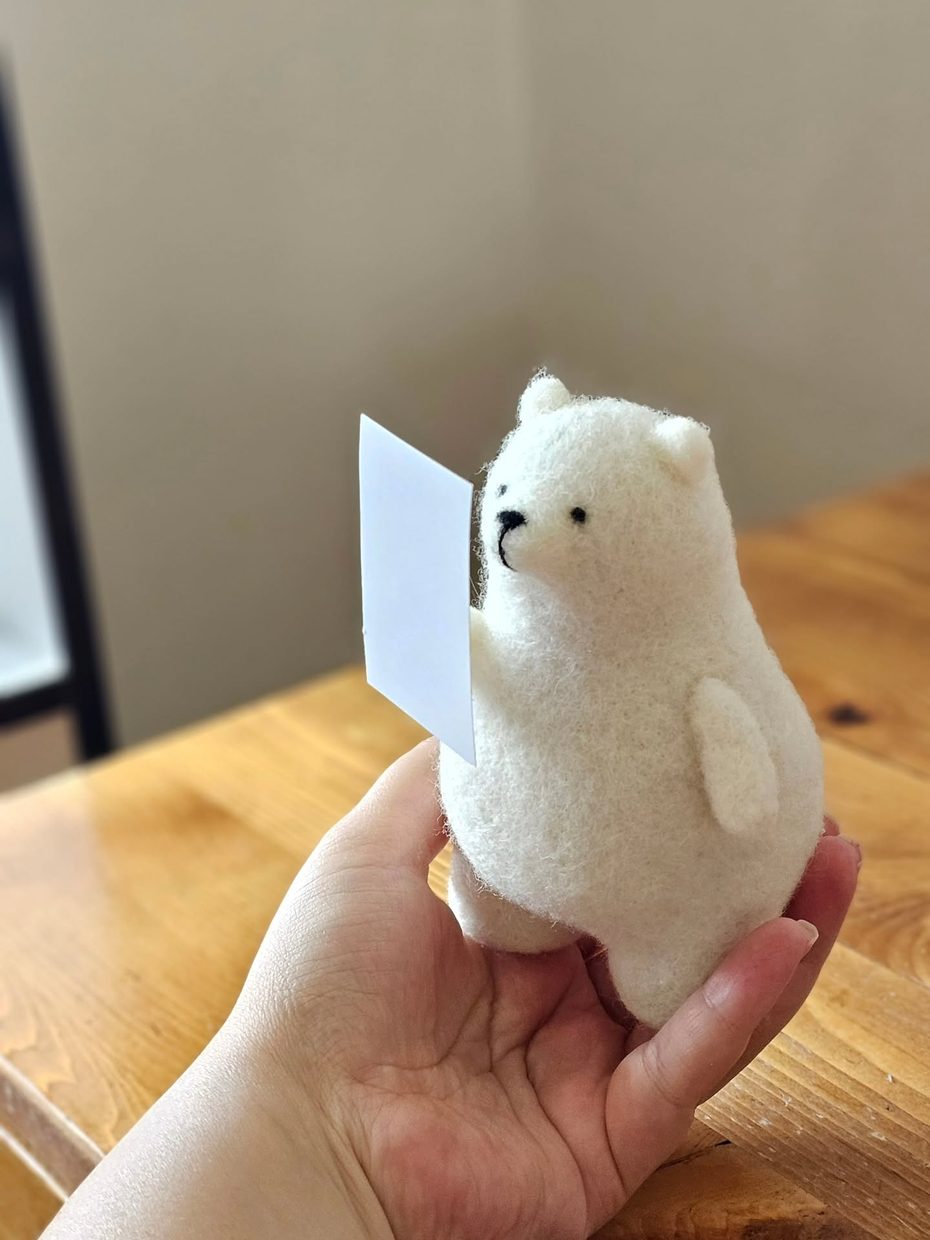
By Iranian felt artist Parastook.
4. A very wonky church
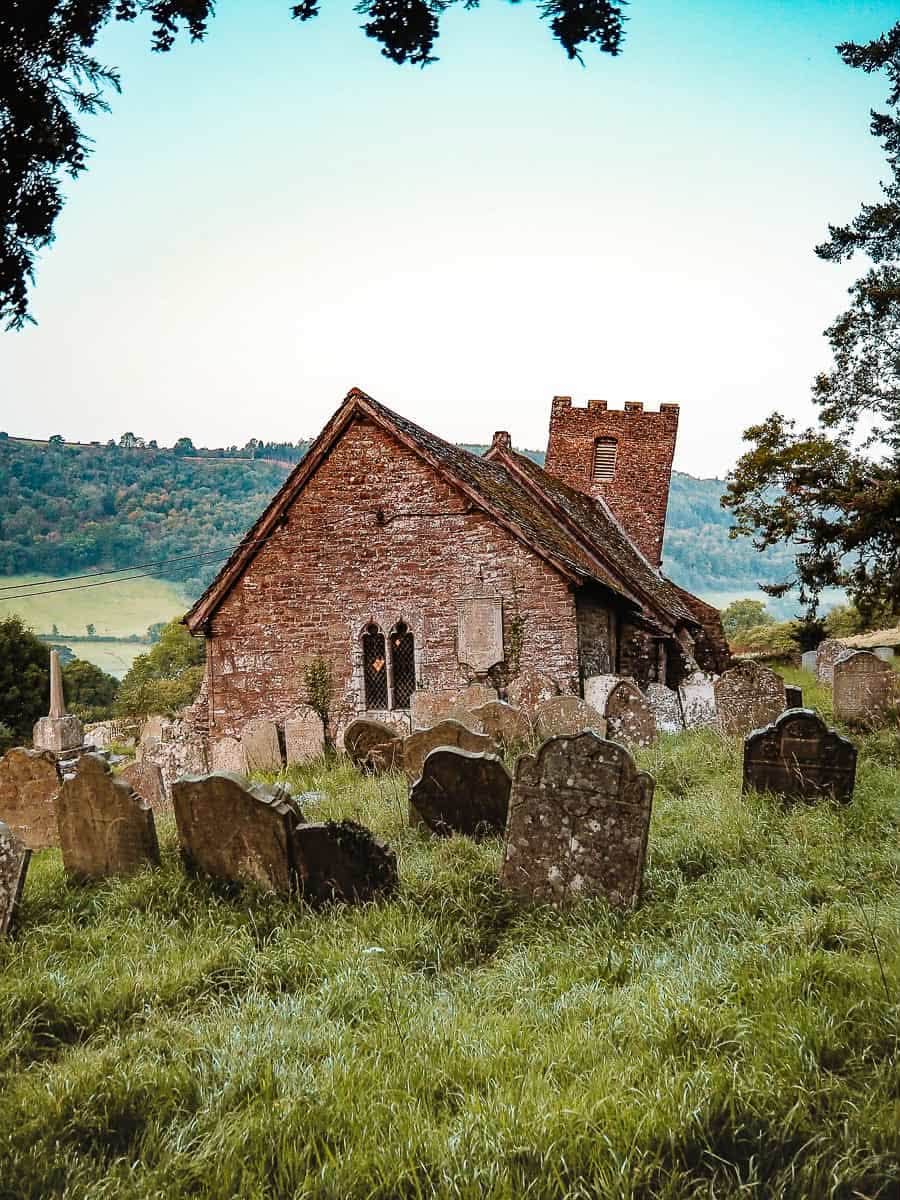
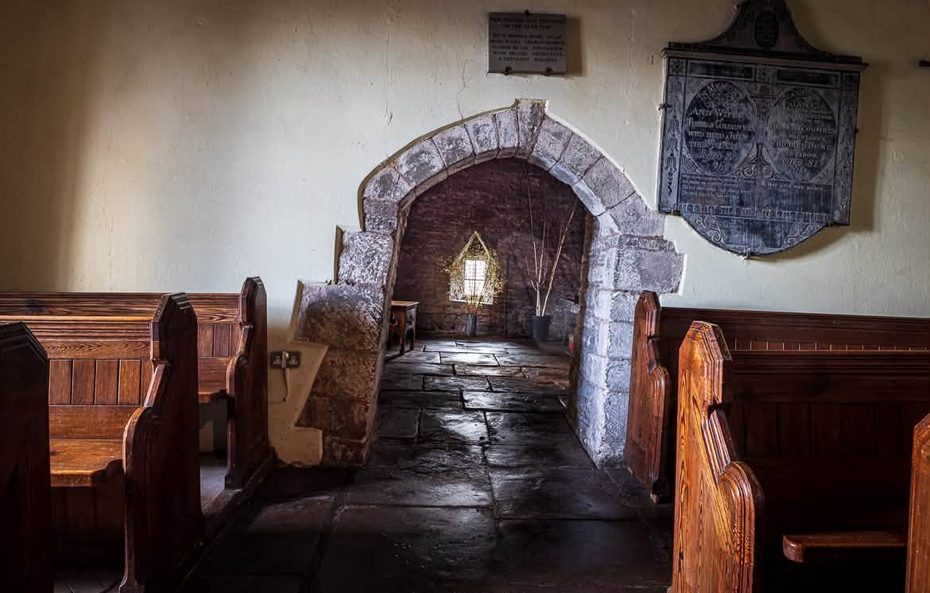
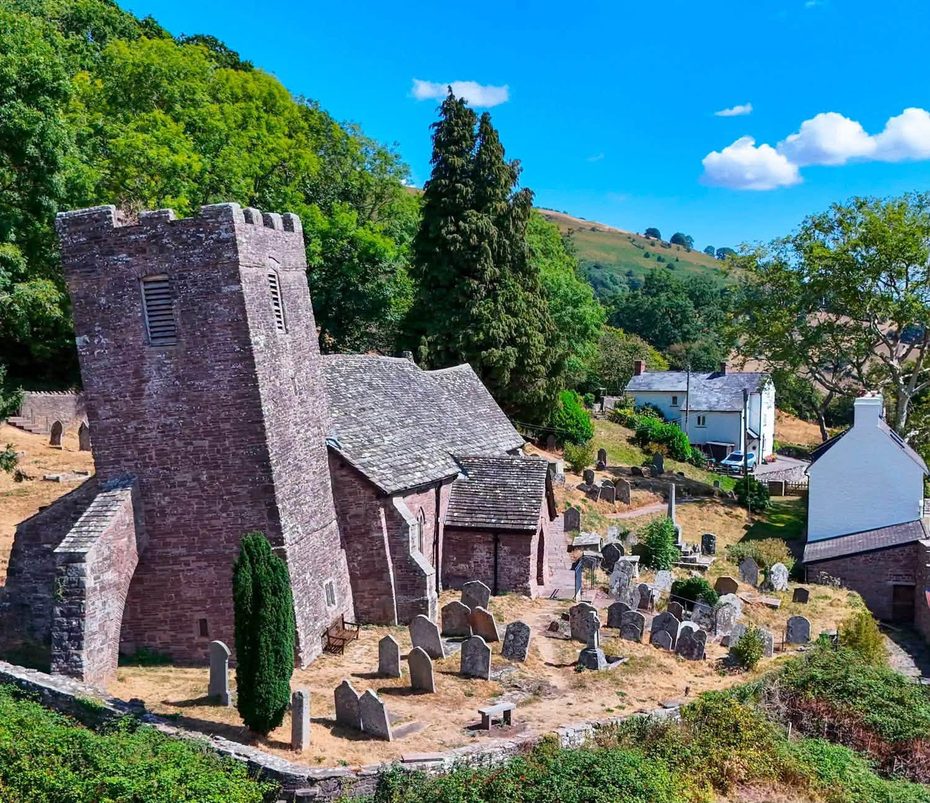
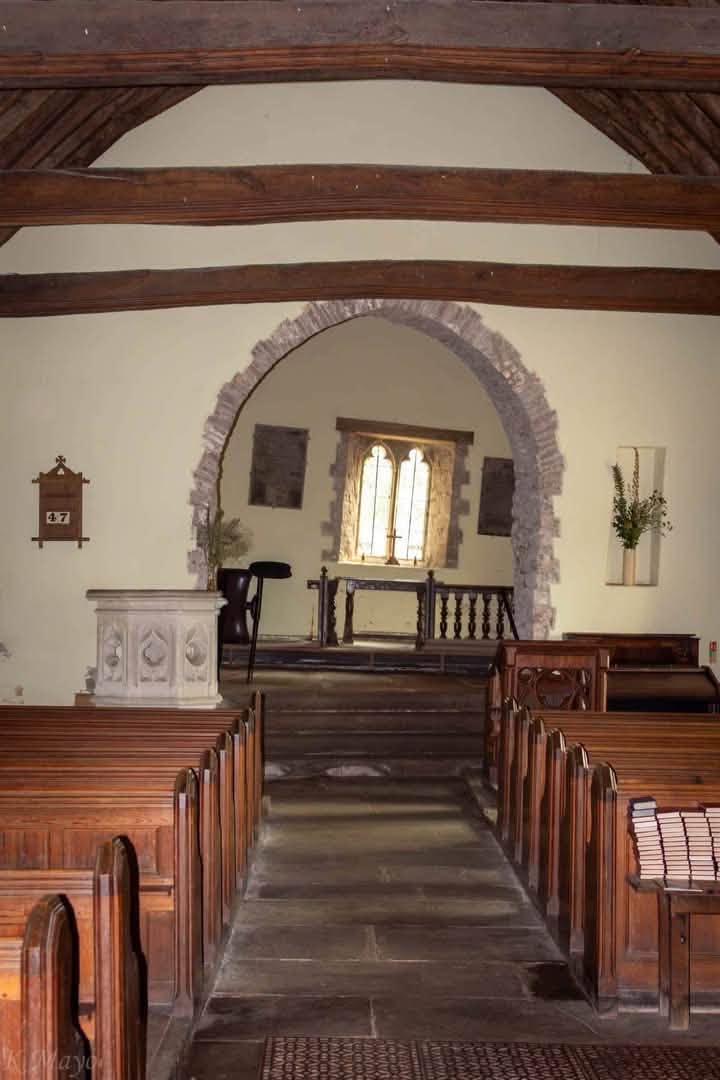
Dating back to the 12th and 13th centuries, St Martin’s Church in Cwmyoy. More about it found on Wikipedia.
5. Abandoned Wine Cellars in Southern Italy

These small buildings, which at first look may seem like small houses/caves (in fact it really looks like a small village), actually represented the core of the working and social life of Pietragalla people up to 50/60 years ago. Their purpose was linked to the production of wine; in fact here the first processing and fermentation of grapes coming from the vineyards scattered throughout the territory took place. Now there are just over 60 left and almost all of them are located in the Parco Urbano dei Palmenti at the eastern entrance of the town, but it is possible to find some scattered here and in the surrounding countryside. In the past there were certainly more of them, demonstrating a flourishing wine-growing activity that has now been lost along with most of the vineyards.


One of the palmenti has been converted into a restaurant…

Found on Medium.
6. Upper West Side, NYC, 84th Street Broadway, 1879

What it looks like now:

When Manhattan Was Mostly Hills and Shrubbery:

Found on Reddit.
7. Just a Ford Mustang on top of the Empire State Building

In 1965, Ford disassembled a Mustang and transported it in four parts to the top of the Empire State Building for publicity. The car was reassembled on the building’s observation deck, showcasing Ford’s knack for innovative marketing.
Read more about it here.
8 Elizabeth Taylor’s Lost Dressing Room Trailer found in a Barn in Oregon
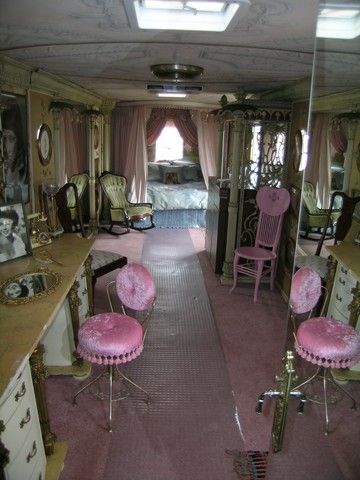
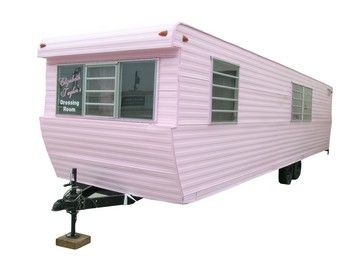
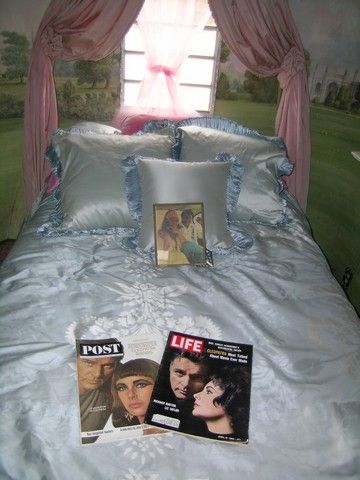
Taylor’s custom-built Hollywood dressing room reportedly cost $75,000 in the 1960s and spent years sitting in a barn in Oregon. It later sold at a Hollywood memorabilia auction in 2012. Take another tour of it here on Youtube.
9. The Underrated Costume Designs of Flash Gordon


Costumes for the 1980 space opera film were designed by Italian Danilo Donati, who in addition to being a production designer, won the Academy Award for Best Costume twice (first for Romeo and Juliet in 1968 and Felini’s Cassanova in 1976).
Found on Quora.
10. Oh to have visited Henri Lachambre’s balloon factory in 1890s Paris


Henri Lachambre’s workshops were established in 1875 at 22–24 Passage des Favorites, in the then-suburb of Vaugirard (now 22–24 rue des Favorites, 15ᵉ arr.). There he built gas-balloons, captive balloons and the envelopes for early dirigibles, supplying clients from the U.S. Signal Corps to S. A. Andrée’s 1897 Arctic expedition.

Today 22–24 rue des Favorites is occupied by modern apartments and shops, and no trace remains of the original balloon-sewing ateliers. But if you stroll the rue des Favorites today, you’ll be standing over what was once one of Paris’s great 19ᵗʰ-century aerostatic manufactories—now long silent, but immortalized in period photographs, prints and the pioneering aeronauts who first took to the skies from its doors. Lachambre’s atelier supplied hydrogen balloons not only to adventurers like S. A. Andrée’s ill-fated 1897 North Pole expedition. Today, period posters, lithographs and surviving workshop photographs—held in the Bibliothèque Historique de la Ville de Paris and private collections—continue to testify to the artistry and innovation of Lachambre’s atelier, which bridged the worlds of serious aeronautical science and the whimsical pageantry of Belle Époque France.
Found on Wikipedia.
11. Various types of dormers (lucarnes in French); windows that project vertically from a sloping roof

Here you’ll find a breakdown in English of each dormer type presented, highlighting the architectural forms and features of each dormer type.
12. The Brothels & Cabarets of Montmartre, illustrated by George Bottini


Montmartre resident and painter of the neighbourhood theatres, bars and maisons closes (brothels), George Bottini died at 33 years old, without ever achieving fame or fortune like so many of his friends. Illustrations published in 1904 for La Maison Philibert by poet and novelist, Jean Lorrain. Found here.