
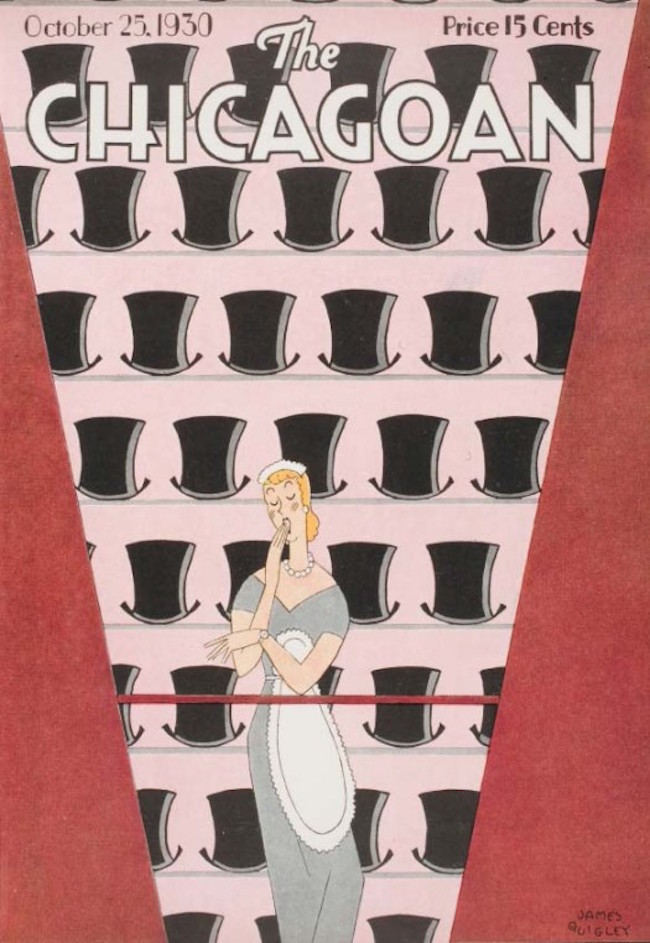
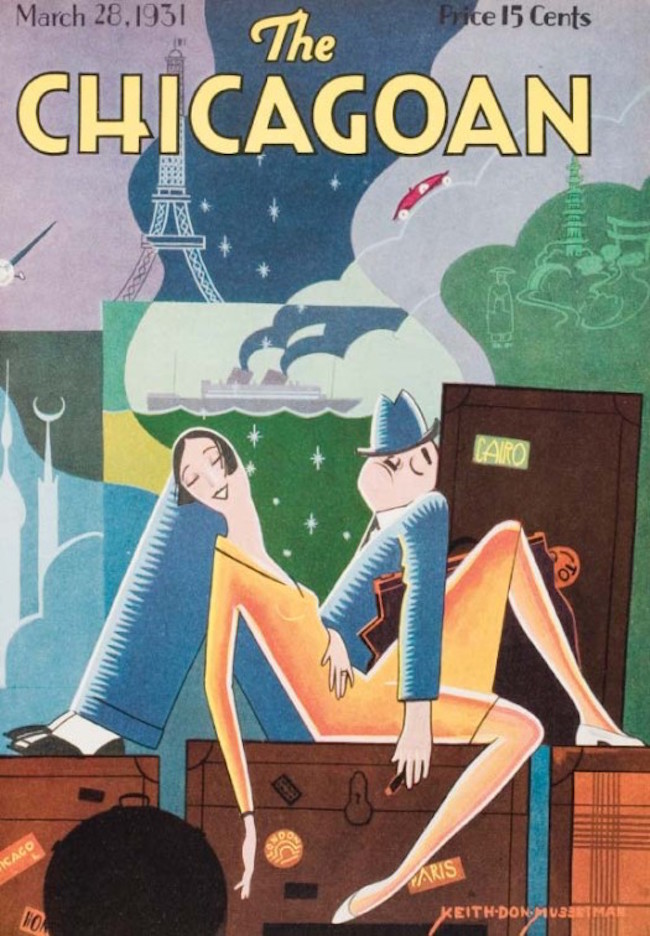
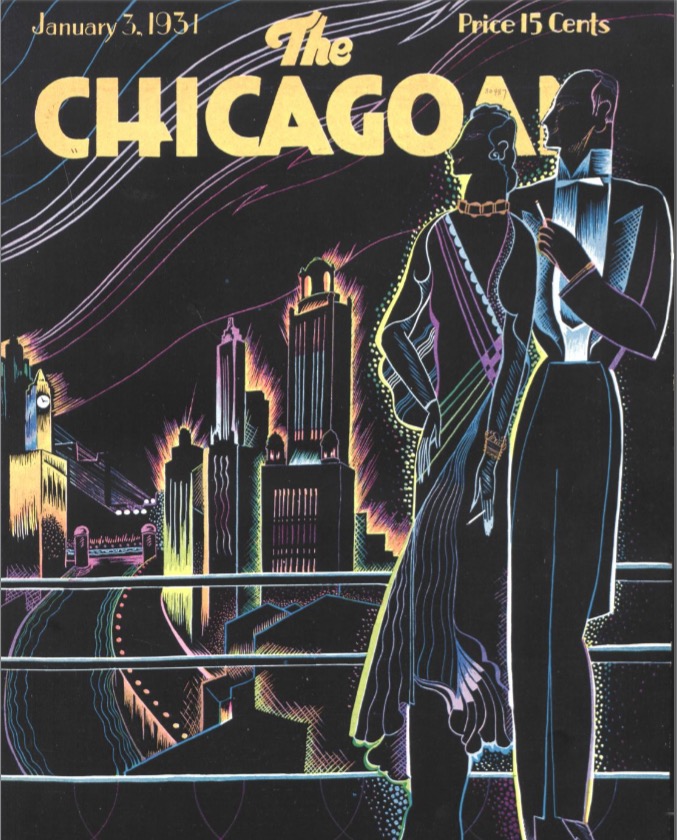
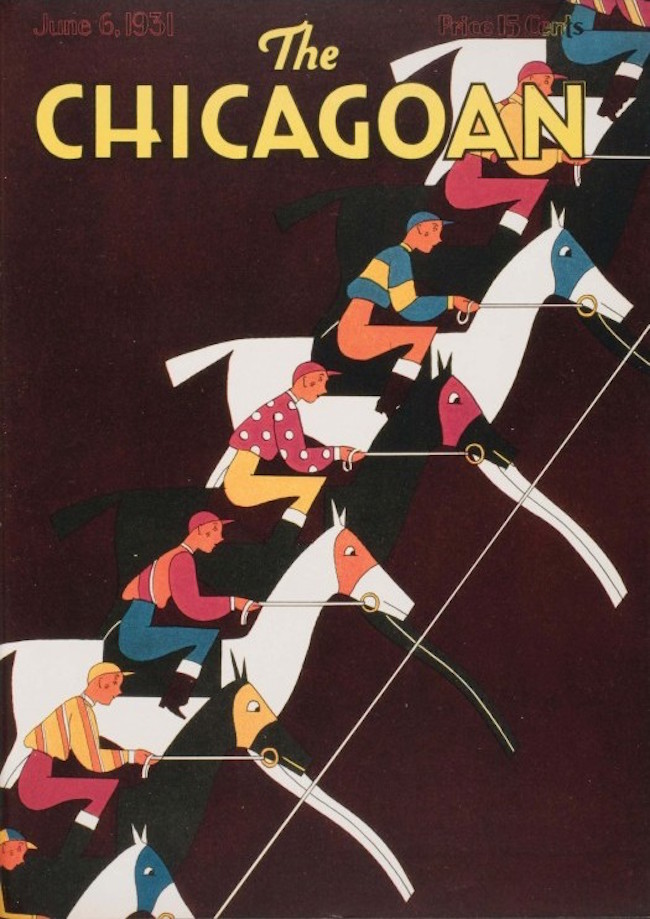
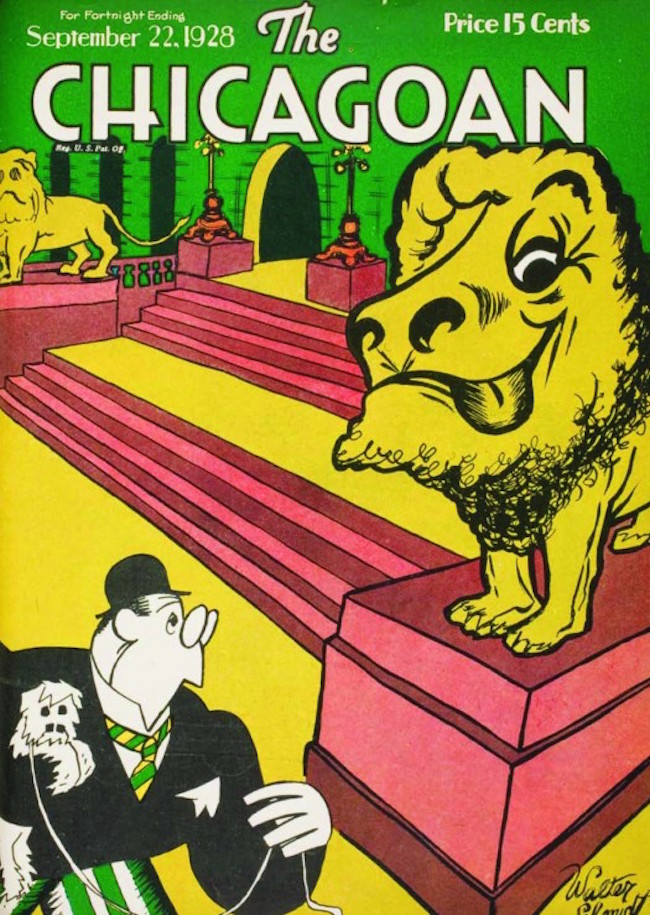
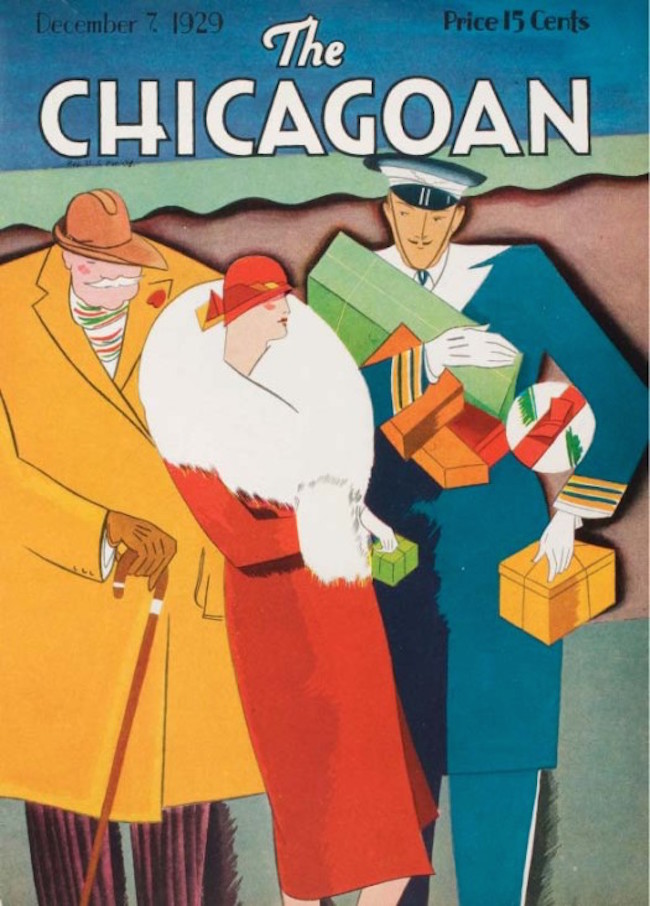
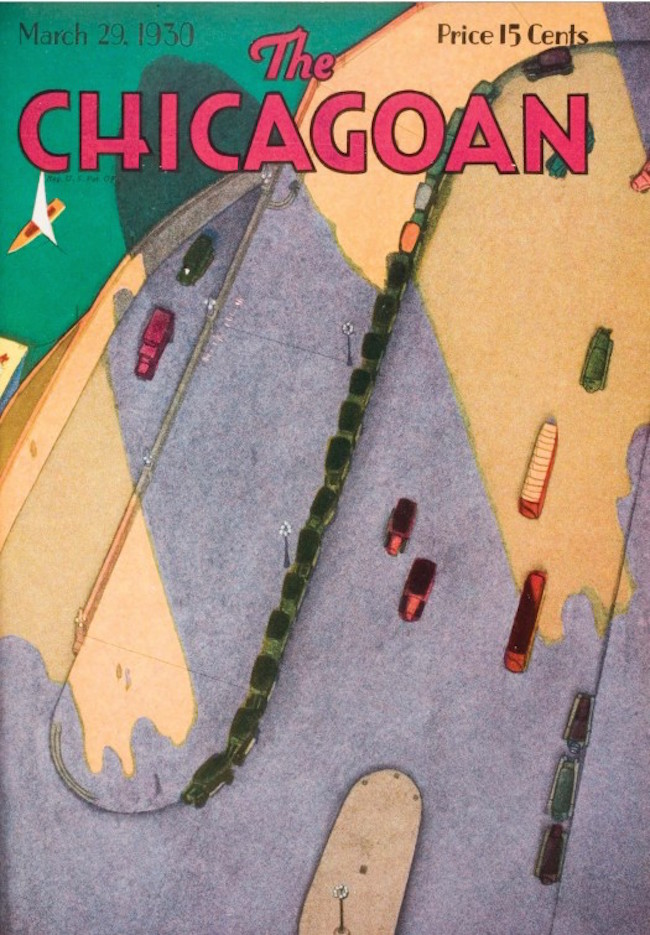
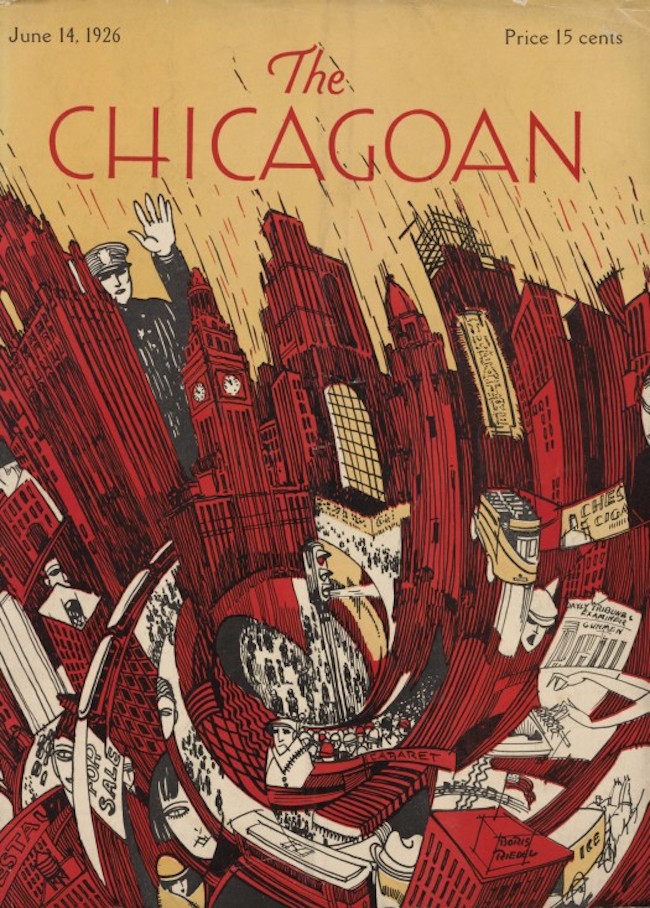
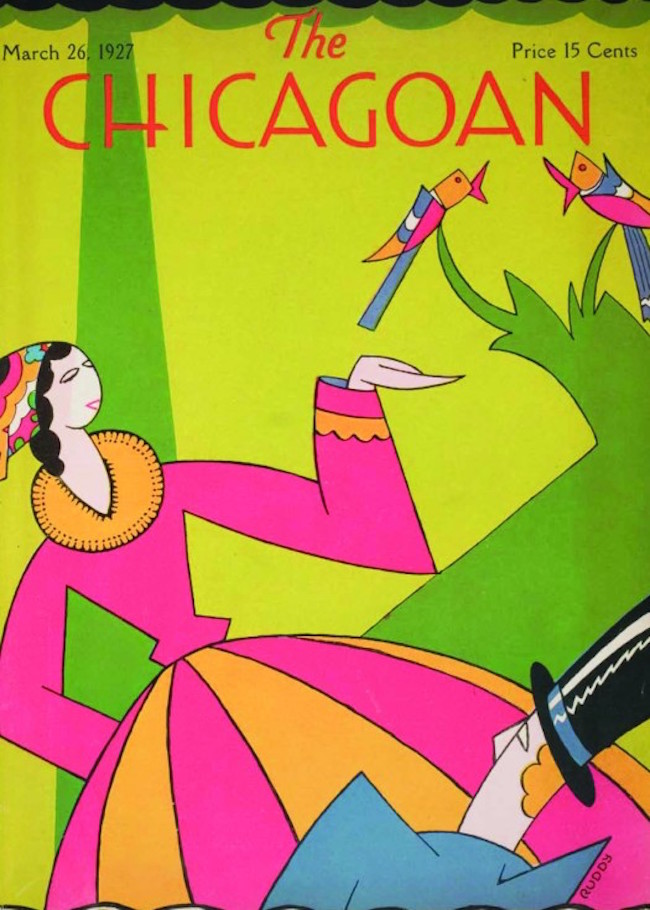
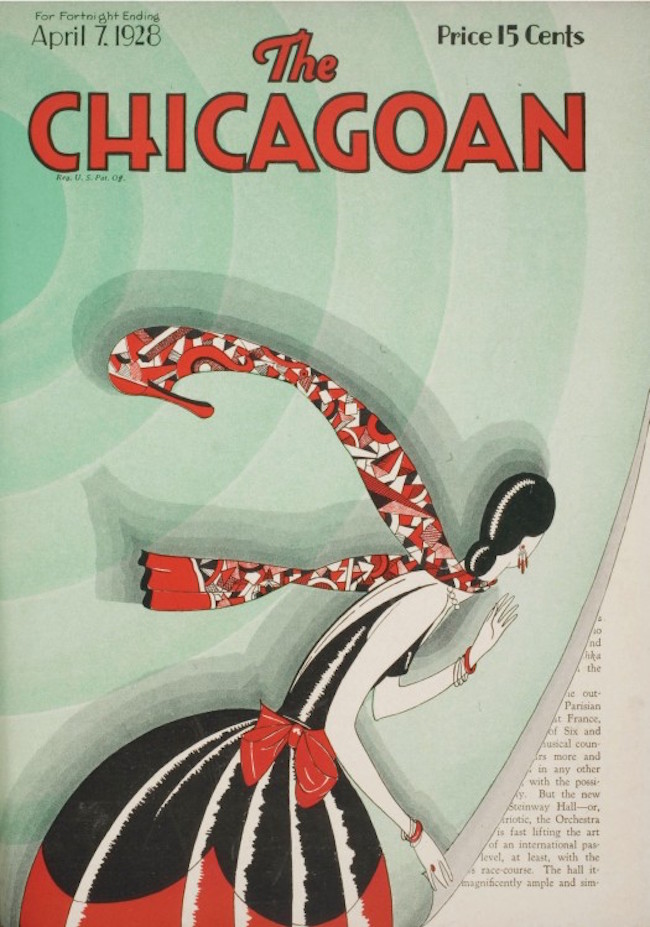
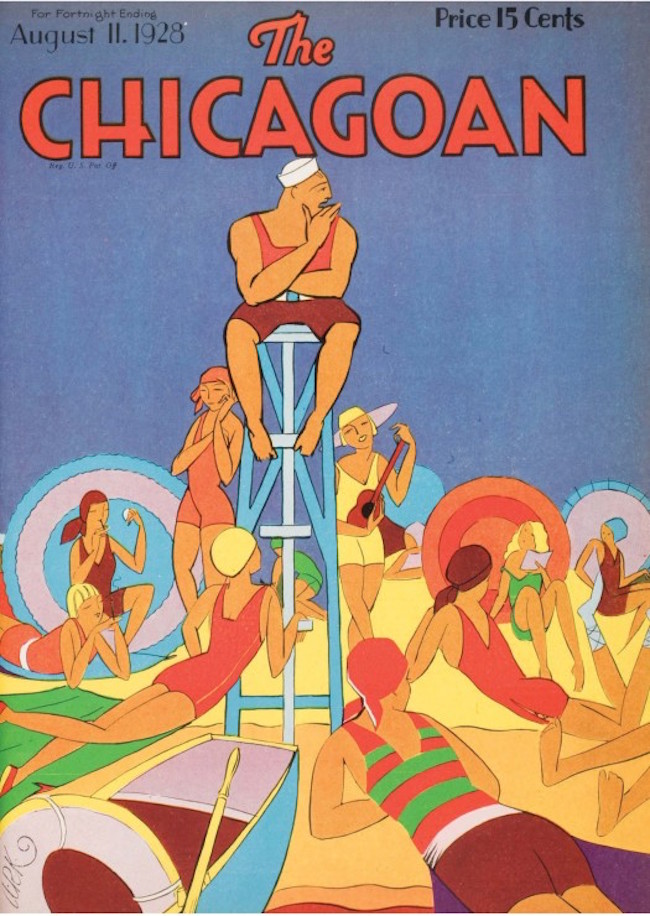
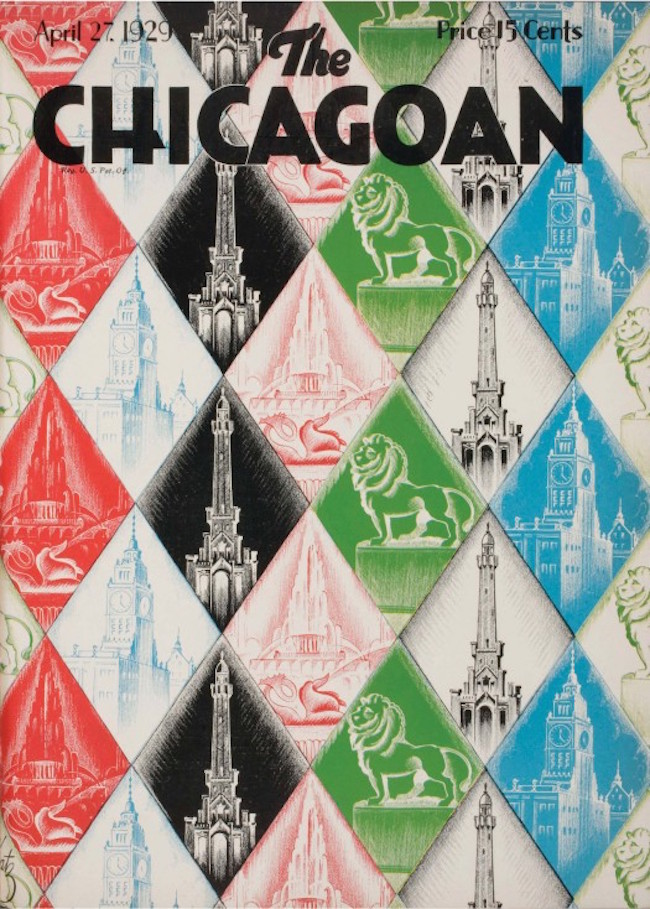
Who knew the New Yorker had a copycat over in Chicago during the 1920s & 30s? Trying to glaze over the reputation the city once had as a hotbed for organised crime and mob violence, The Chicagoan painted a new image for the town with colorful animated monthly magazine covers, portraying the mid-western metropolis as a place of glamour and stylish sophistication. Published from 1926 to 1935, explicitly modelled on the New Yorker, editors claimed to represent “a cultural, civilized and vibrant” city “which needs make no obeisance to Park Avenue, Mayfair, or the Champs Elysees.”
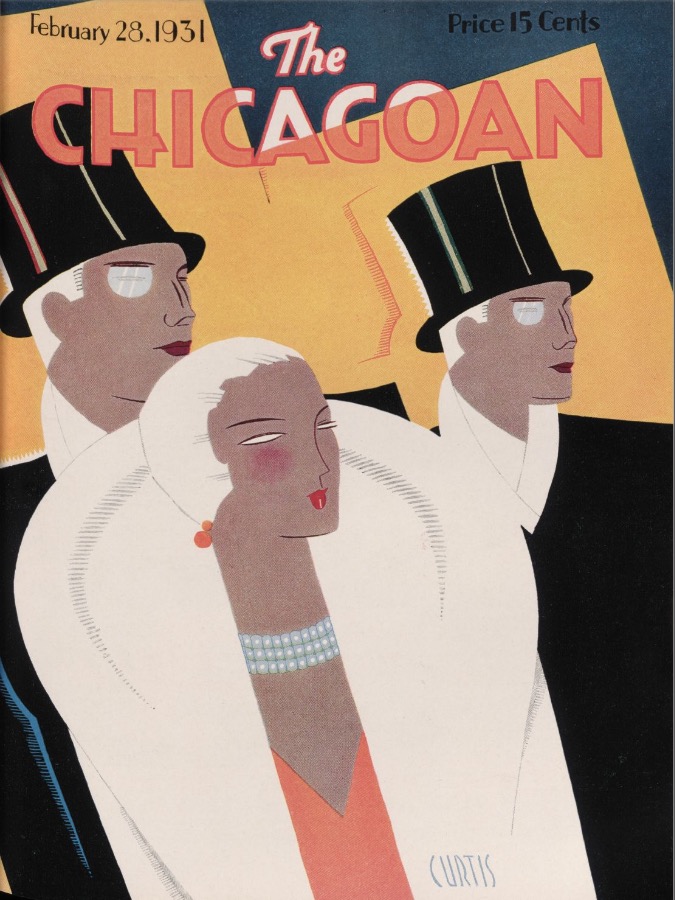
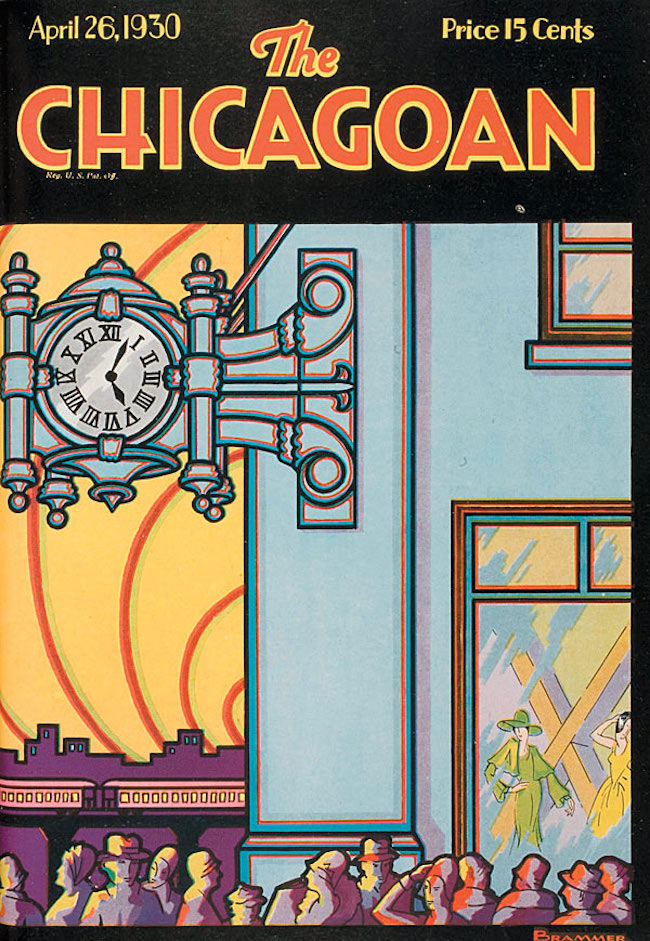
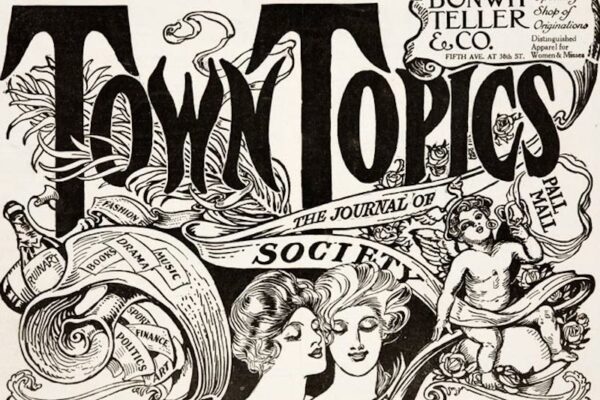
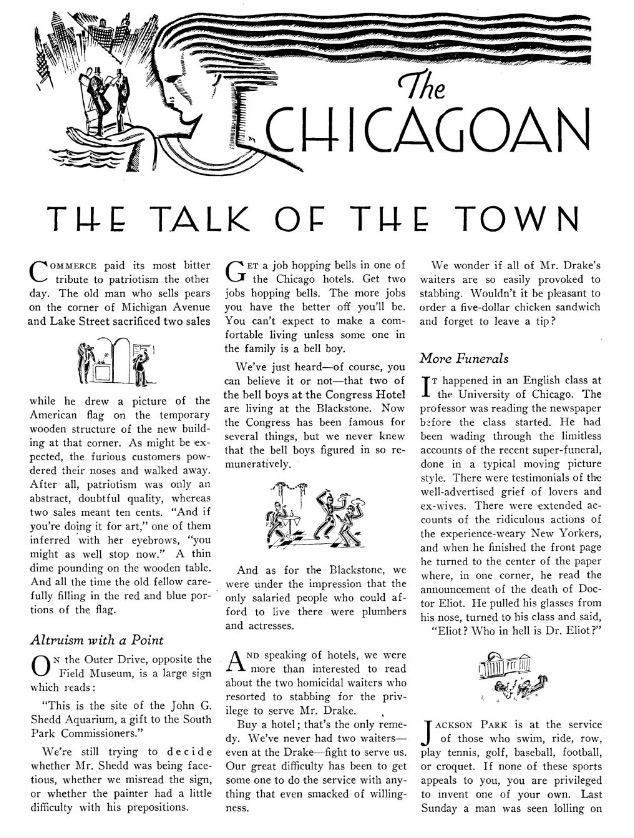
The biweekly and then monthly publication heavily borrowed the design and editorial model of the The New Yorker, including the fonts, layout and even its iconic columns such as “Talk of the Town”.
Despite receiving little national attention during its lifetime, at its height, The Chicagoan managed to get its circulation up to 20,000, but the magazine folded in the midst of the Depression, it was largely forgotten after that. Few original copies have survived.
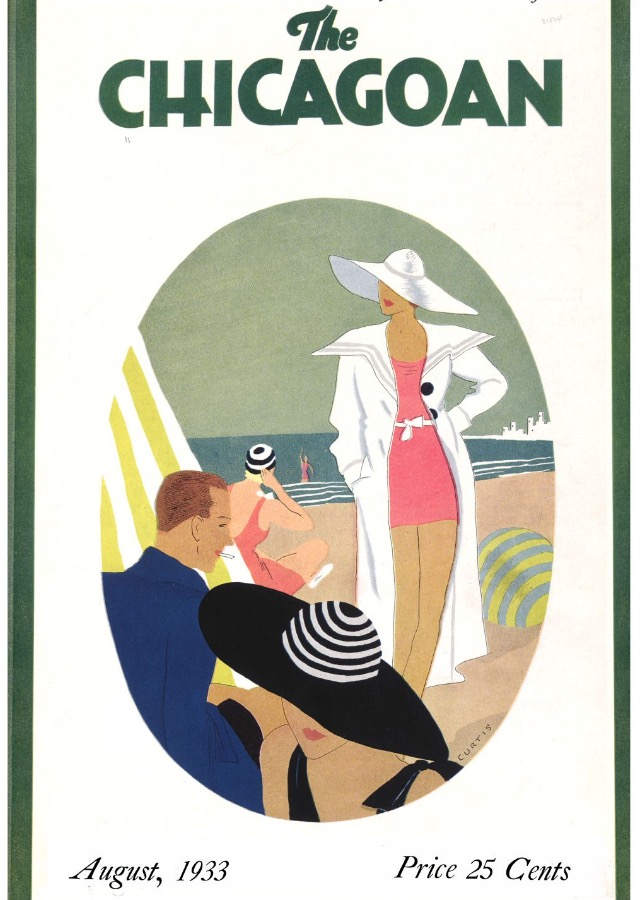
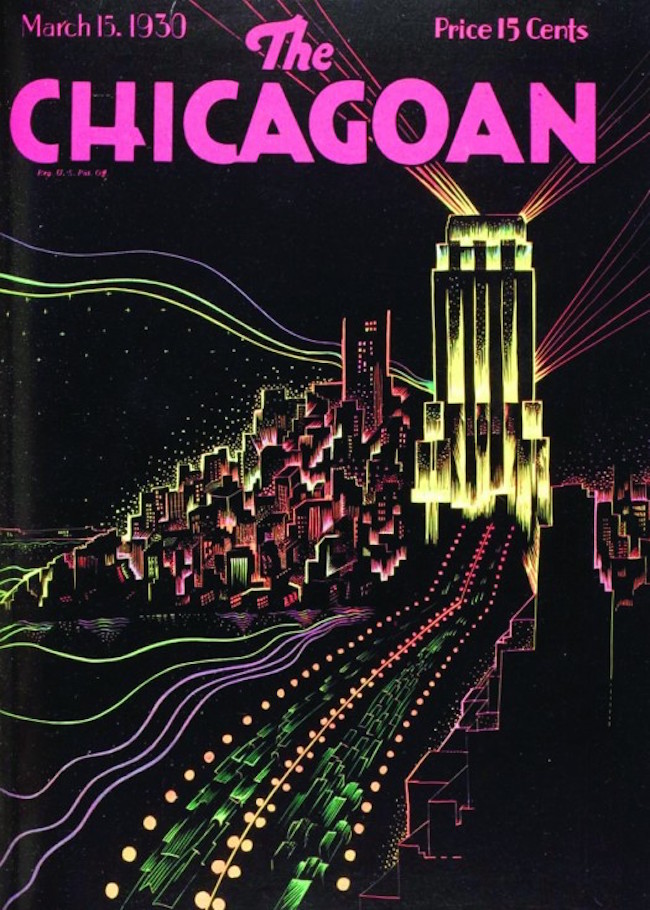
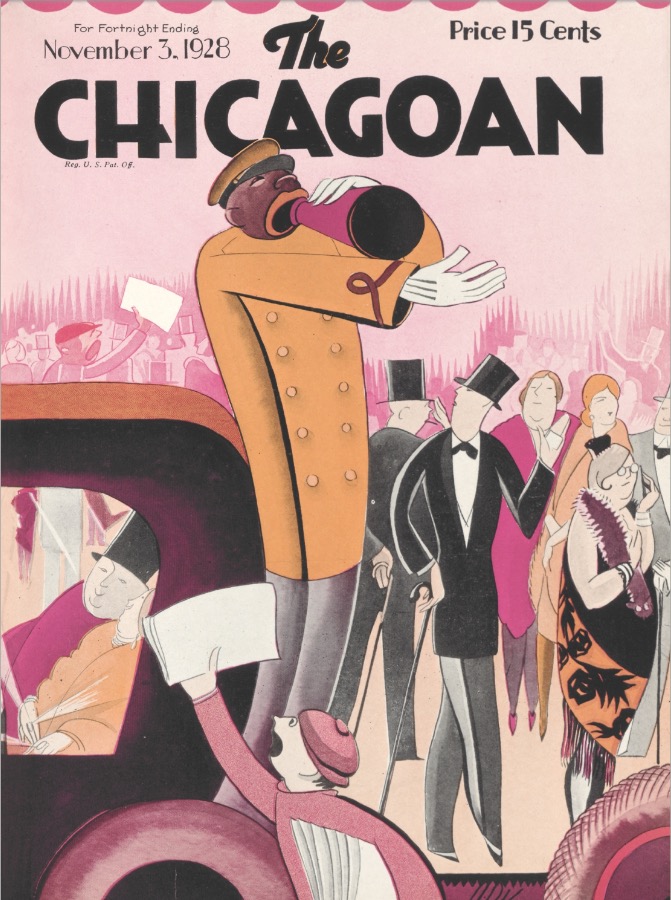
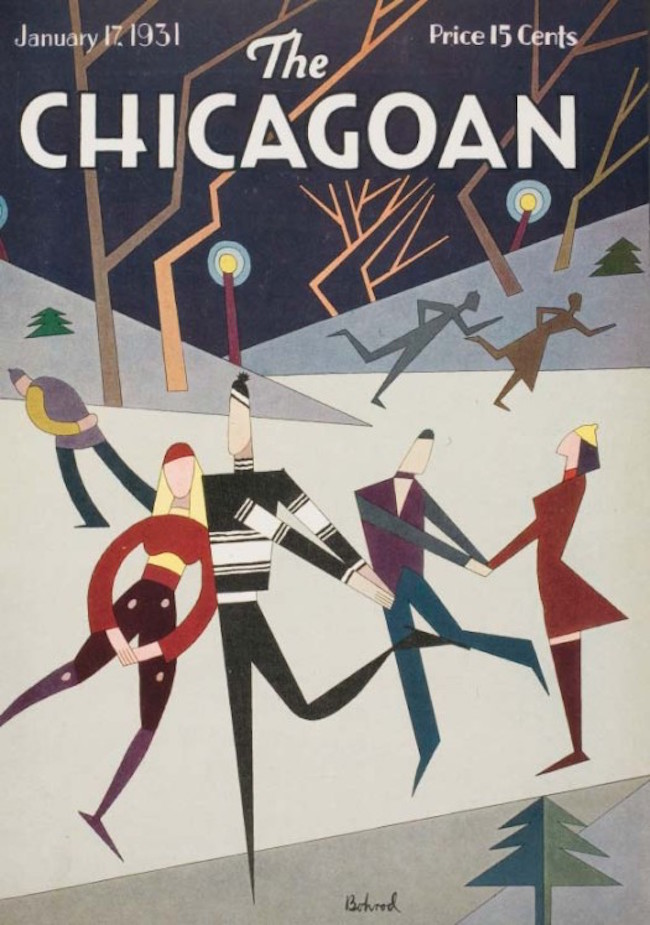
In 1988, several historians including Neil Harris, re-discovered the lost magazine of the jazz age while browsing in the stacks of the Regenstein Library at the University of Chicago. Harris later wrote a book exploring the magazine’s cultural ambitions.
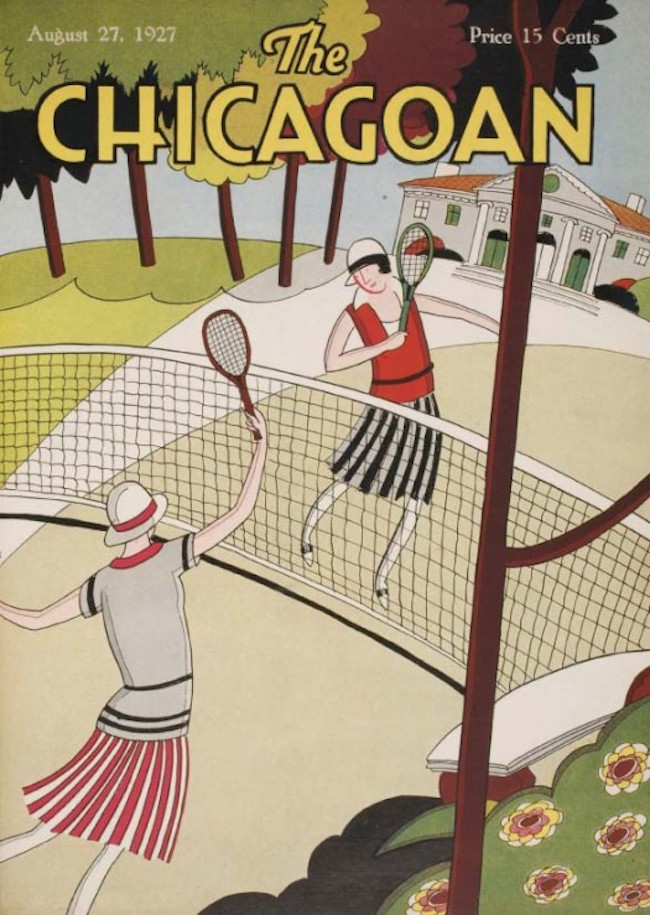
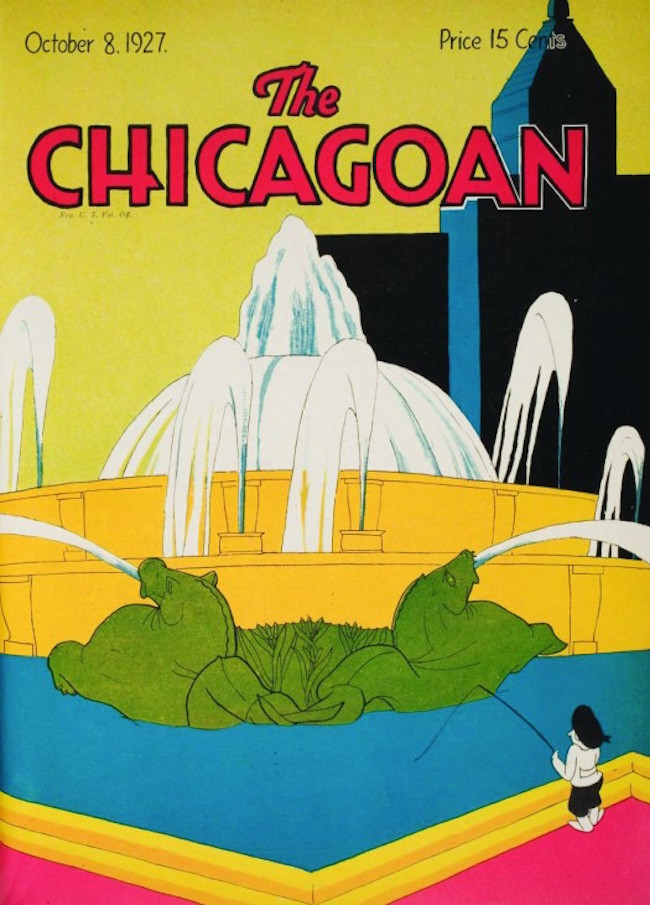
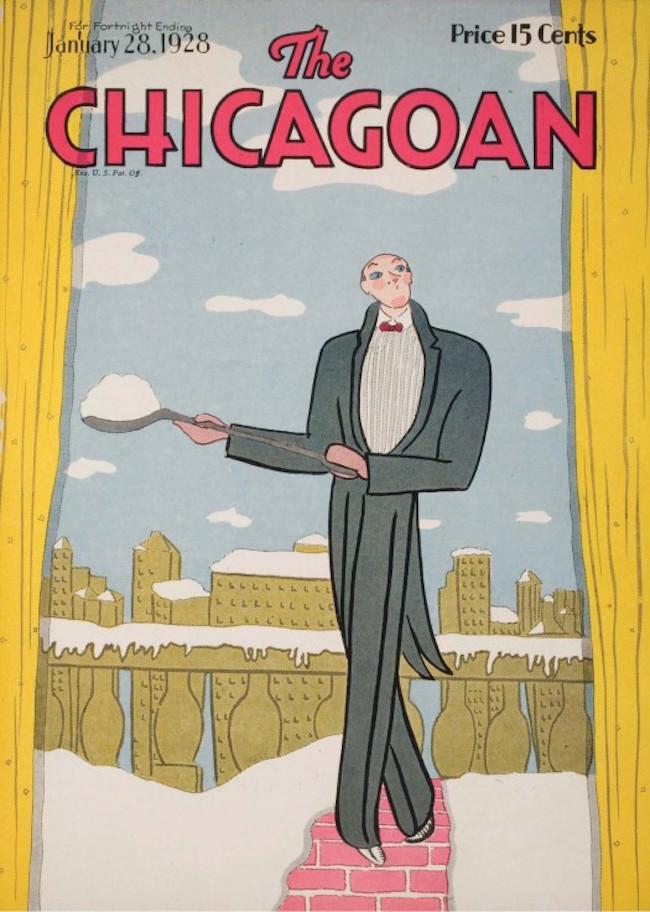
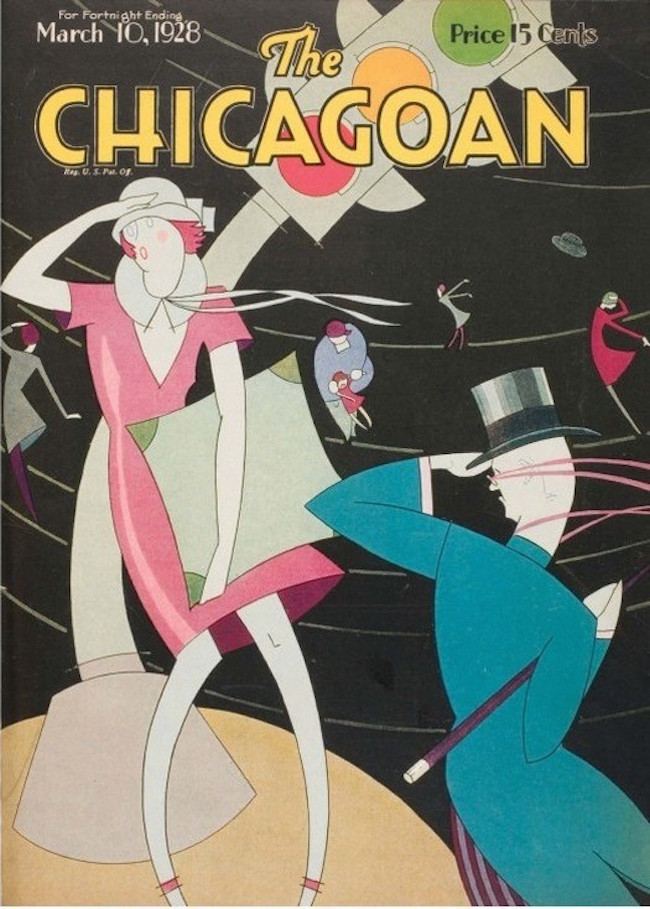
In 2012, it was revived by a small publisher with a focus on culture its one and only 194-page debut issue before the project shut down due to lack of funding. Last year, Chicago Business reported that the magazine was being revived again by a suburban newspaper company as a lifestyle magazine. The magazine was set to launch in November of 2015, but the website given in the article is now a dead link. Will Chicago’s answer to the New Yorker stay forever in the archives of forgotten publications?