
1. The Crisp Shops of Madrid
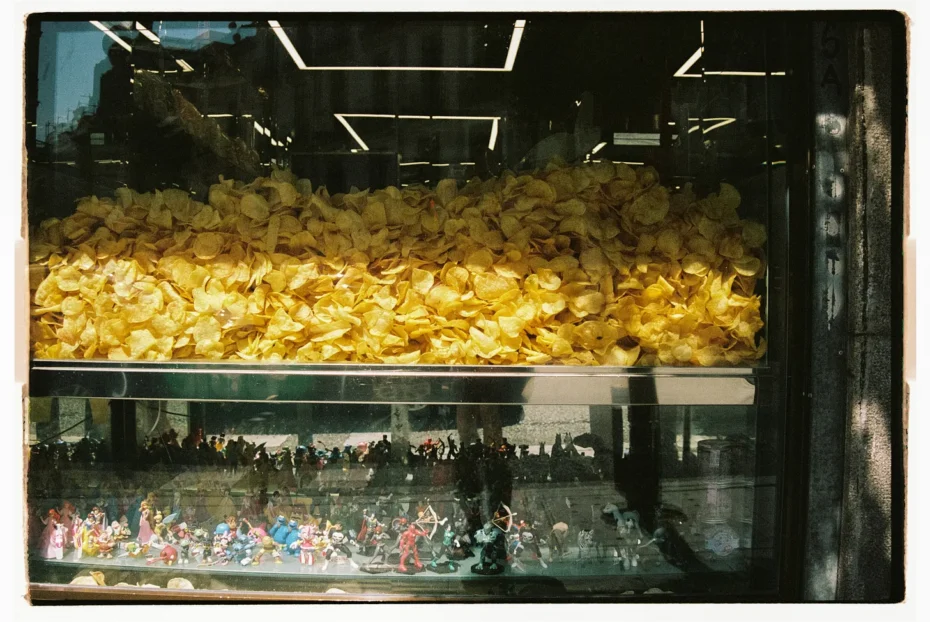
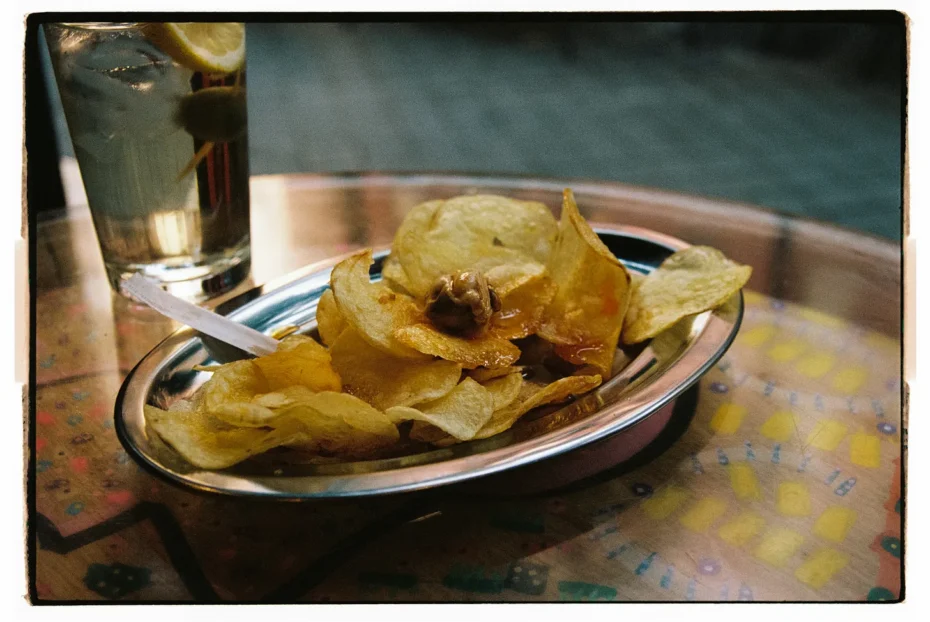
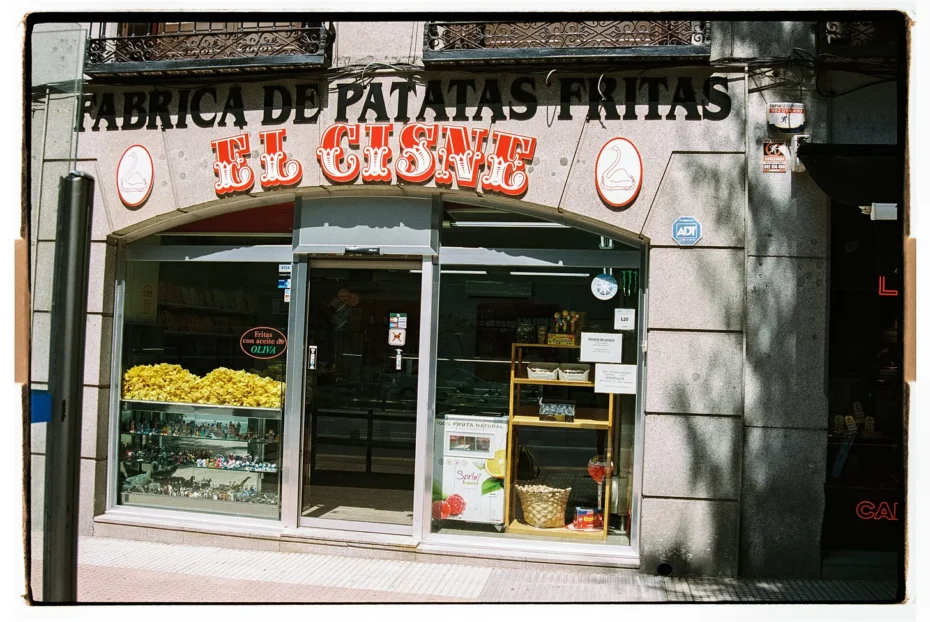
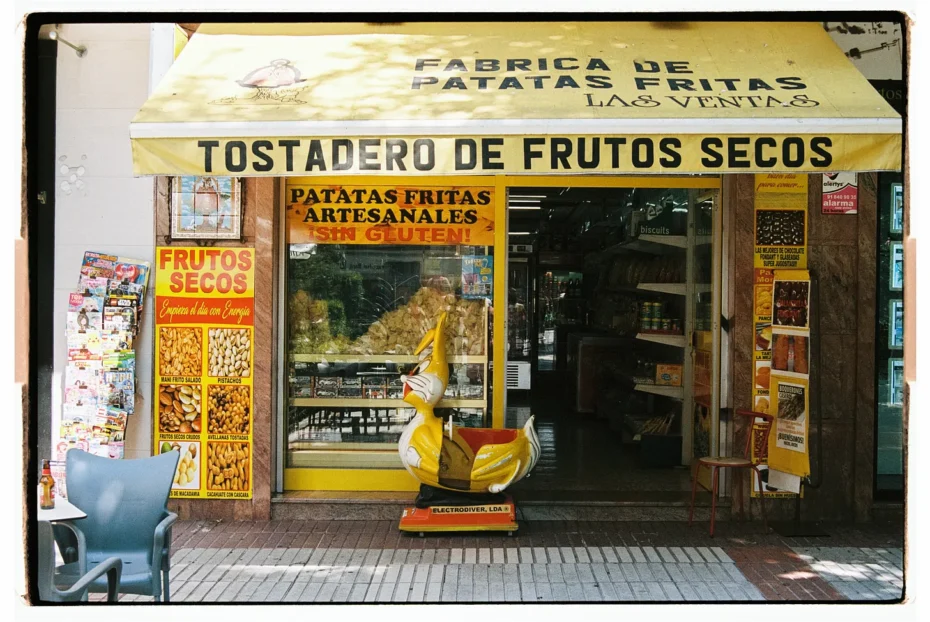
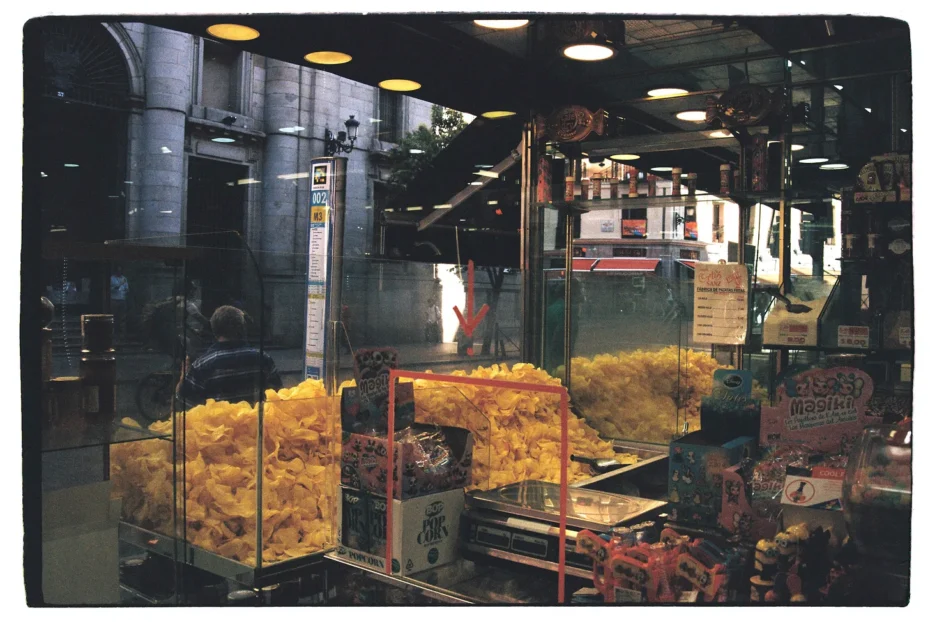
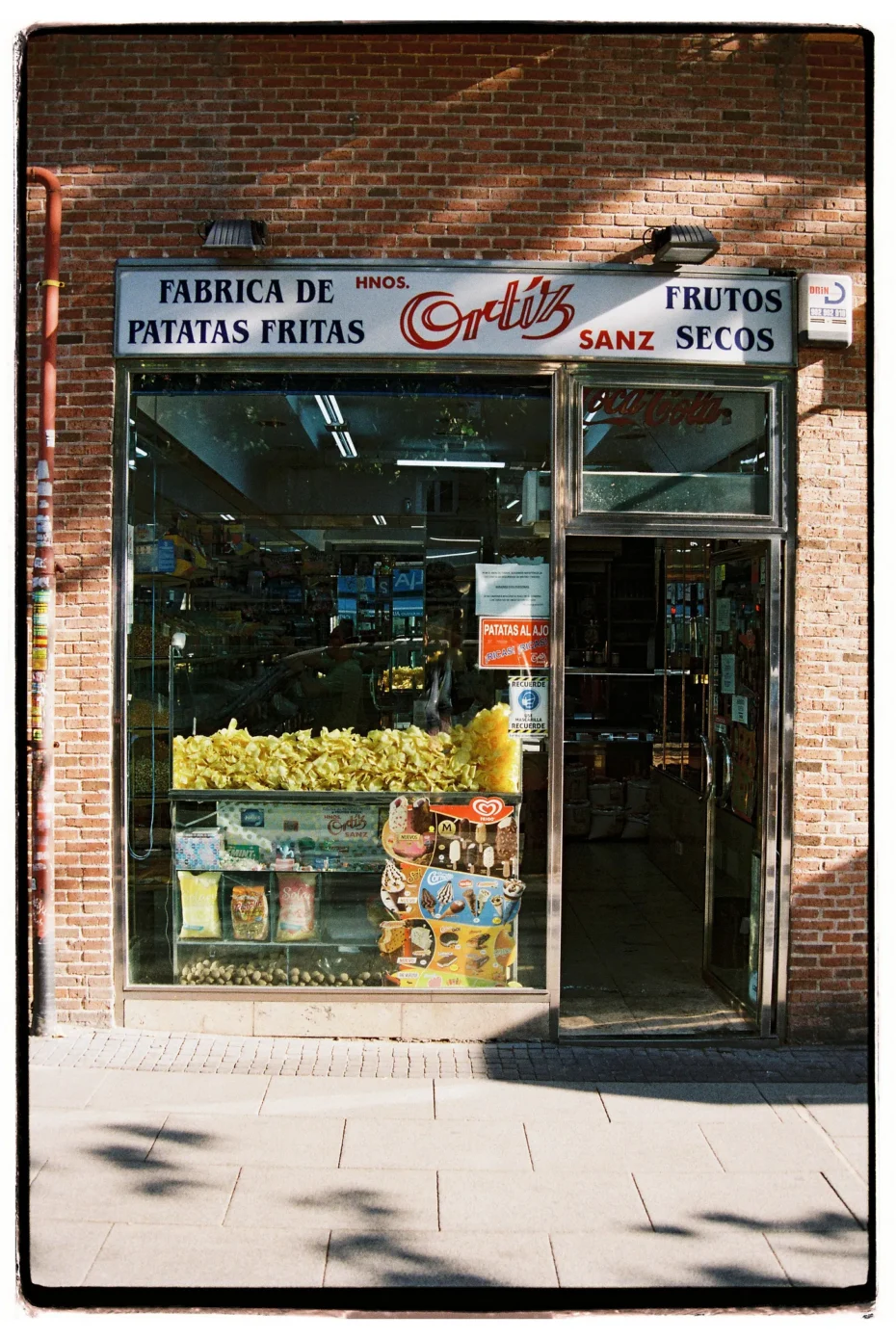
Spain, like the UK, has a big crisp culture, with fun regional differences in how they’re consumed. In Catalunya for example, you’ll often see crisps and berberechos (tinned cockles) topped with Salsa Espinaler during ‘L’hora del vermut’ (‘vermouth hour’) on a Sunday…. Not only are they to be found in bars across the city, but they also light up the streets of Madrid through the windows of glorious little shops known as fábricas de patatas fritas — quite literally, ‘crisp factories’.
Discover more on Vittles Magazine.
2. Underneath the Provençale Village Gordes, lies another village, hidden in stone.
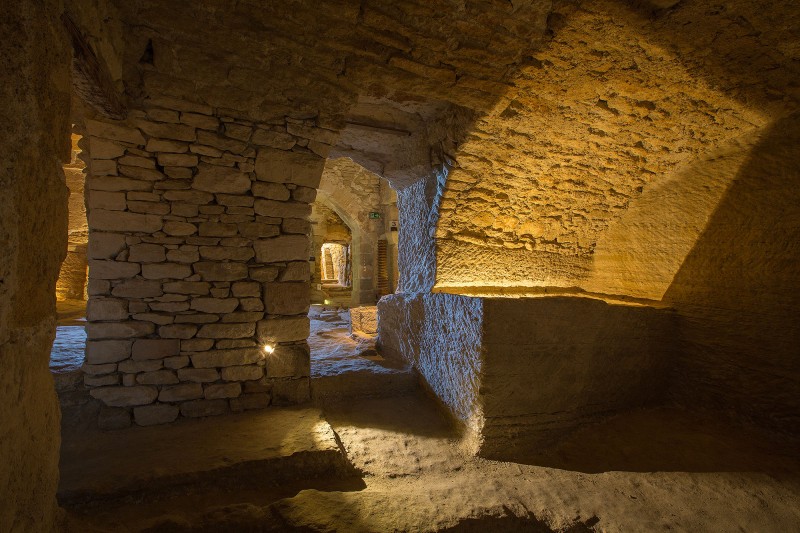
The Caves du Palais Saint-Firmin reveal the hidden infrastructure that once sustained life here. Olive oil mills, storage rooms, silos, and water systems carved directly into the rock.
Walking through these cool stone corridors, you realize that Gordes was not only beautiful, but deeply practical.
If you visit the village, make time to explore the caves beneath it as well. More insider tips on the villages of the Luberon, Provence can be found in Messy Nessy’s A-Z Directory.
3. How Mail Order Delivered the Occult
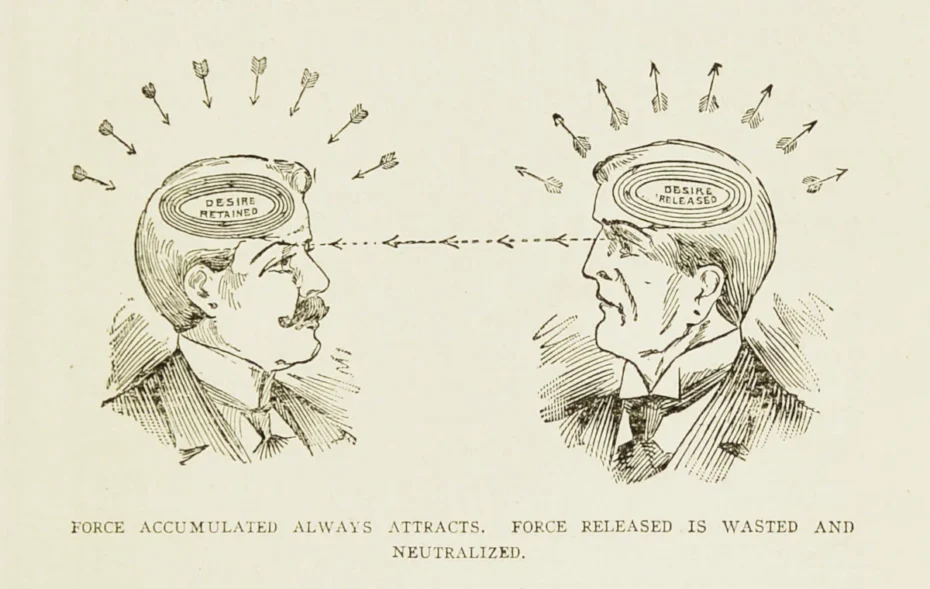
What allowed occultism to blossom in the United States at the turn of the 20th century? Linotype machines, cheap pulp paper, and newly improved postal networks. Allan Johnson investigates the forgotten history and (still living) world of mail-order magic.
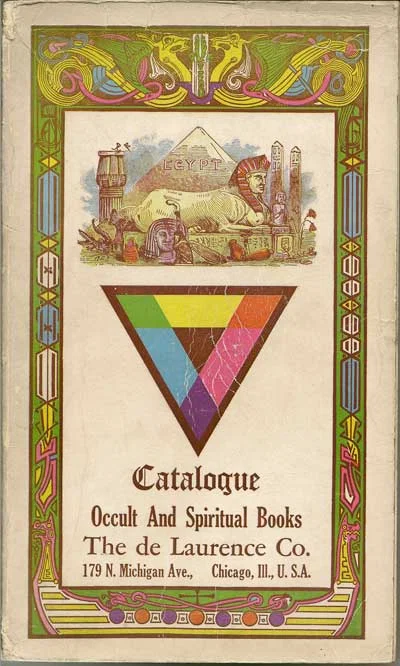
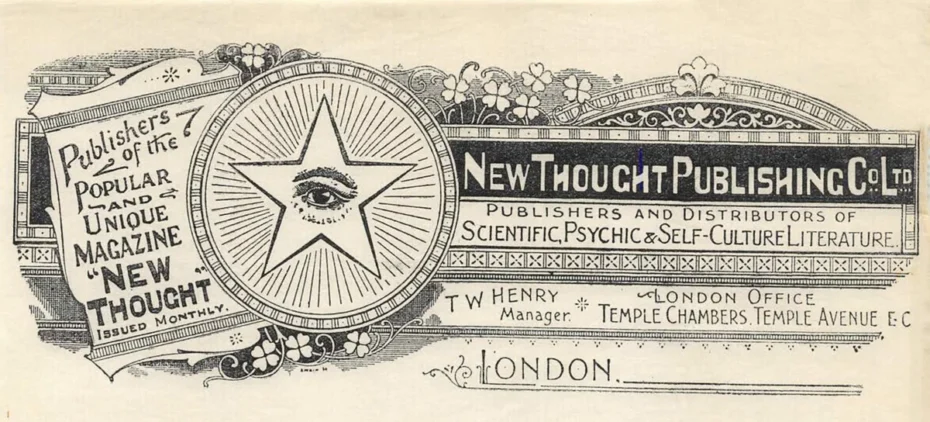
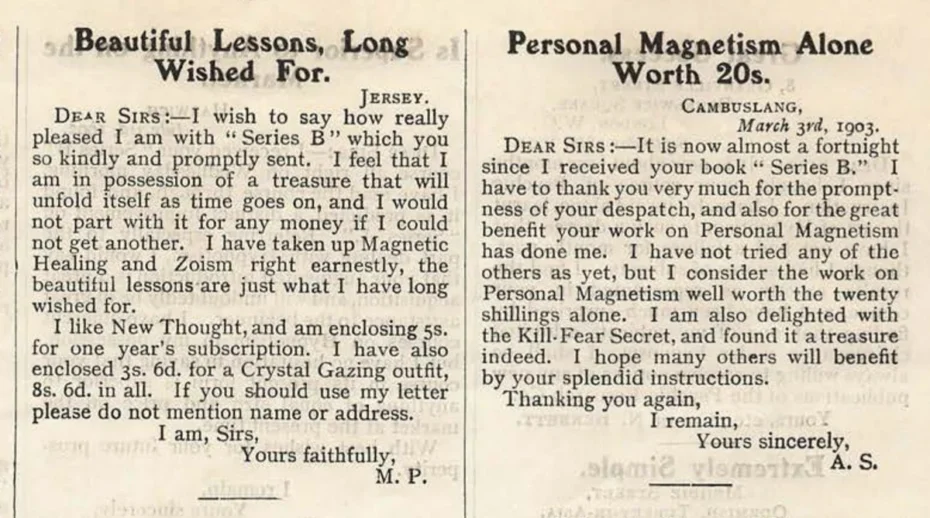
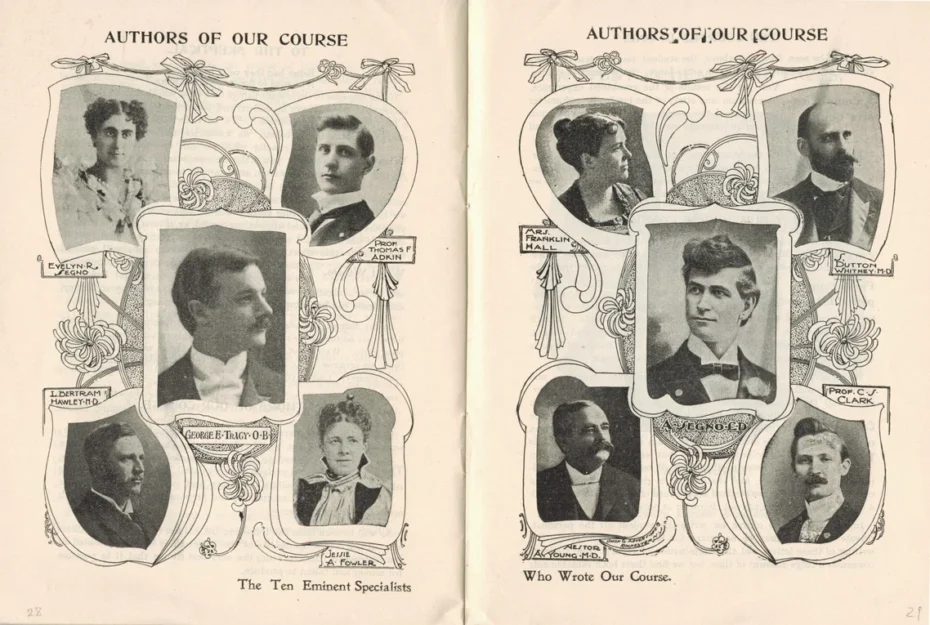
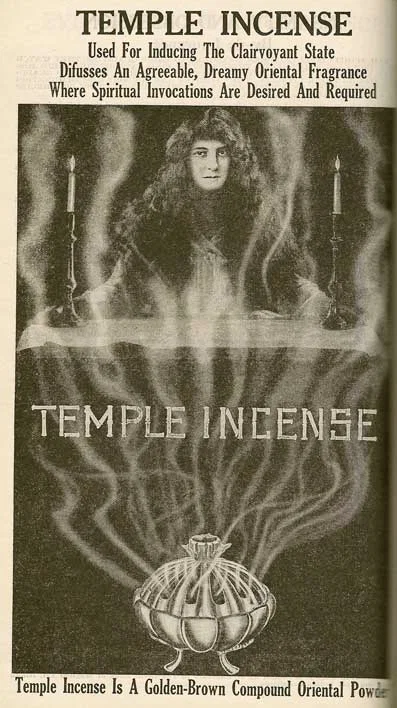
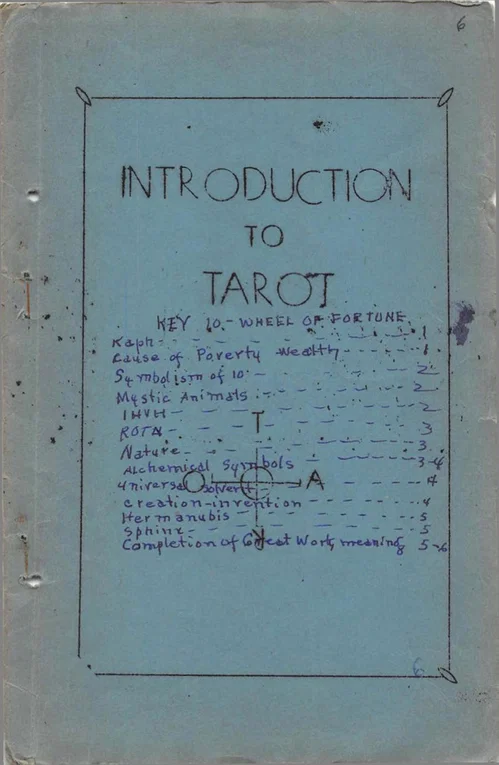
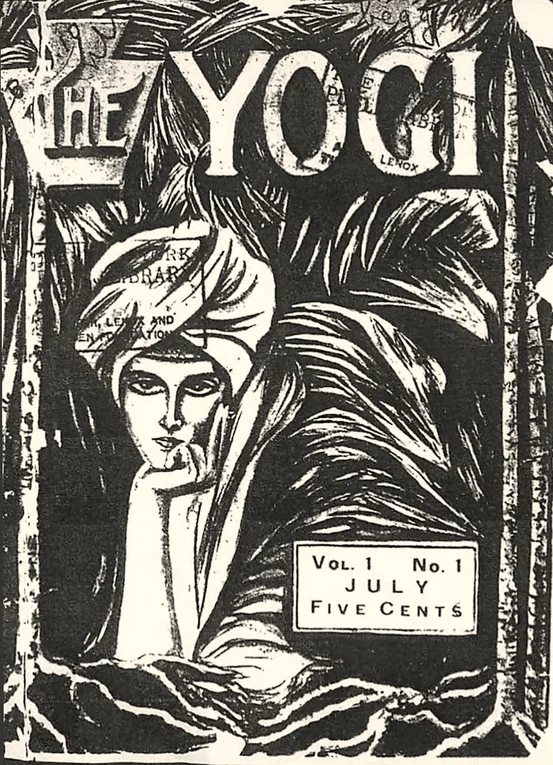
Learn about the forgotten history and (still living) world of mail-order magic, on the Public Domain Review.
4. Write a letter to your future self, this site delivers it later

You can also read some public letters. Explore the site here, circa 2006.
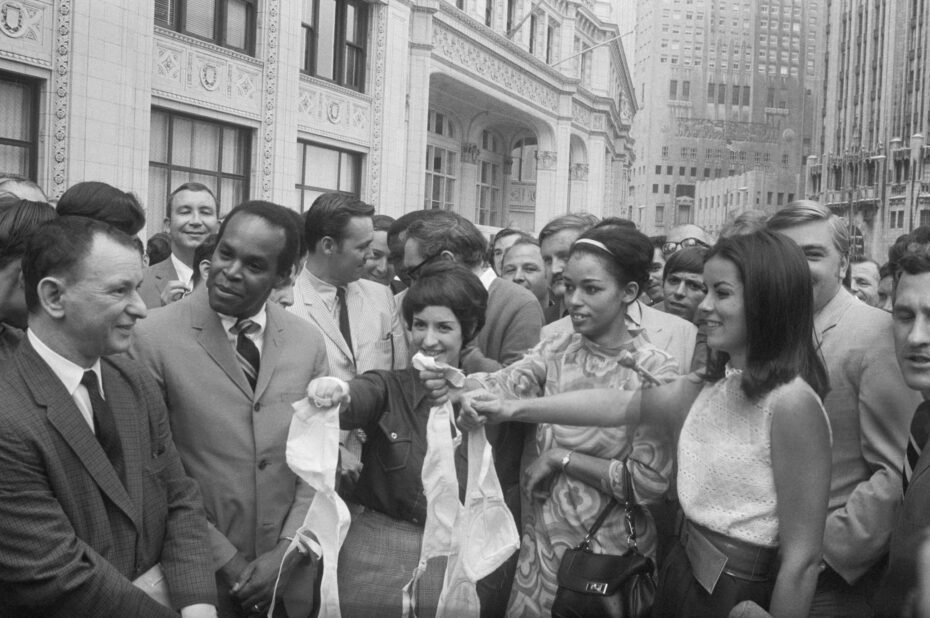
5. The Anti-Bra Protest in Downtown San Francisco, 1969
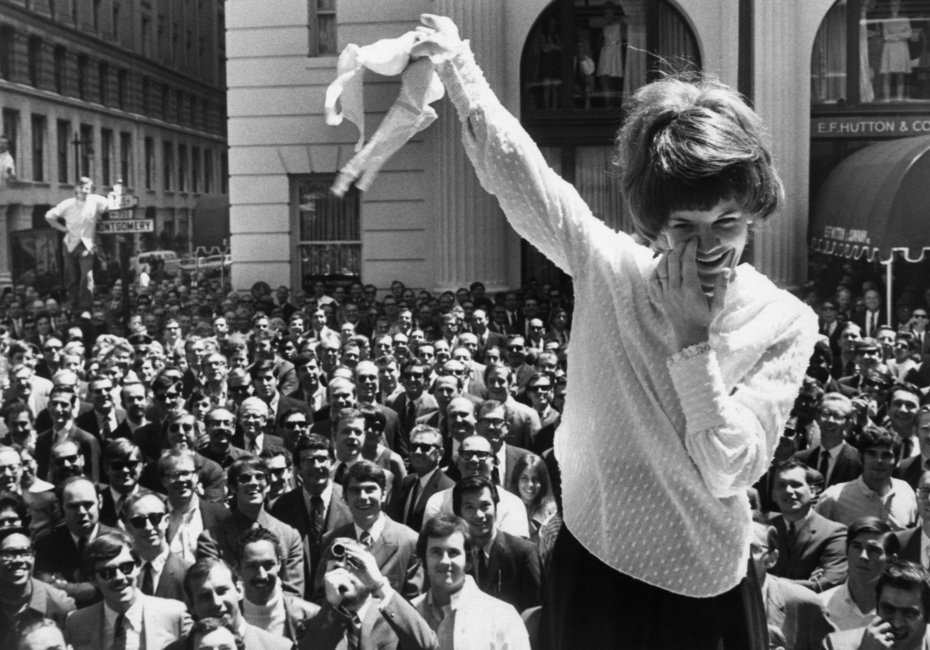
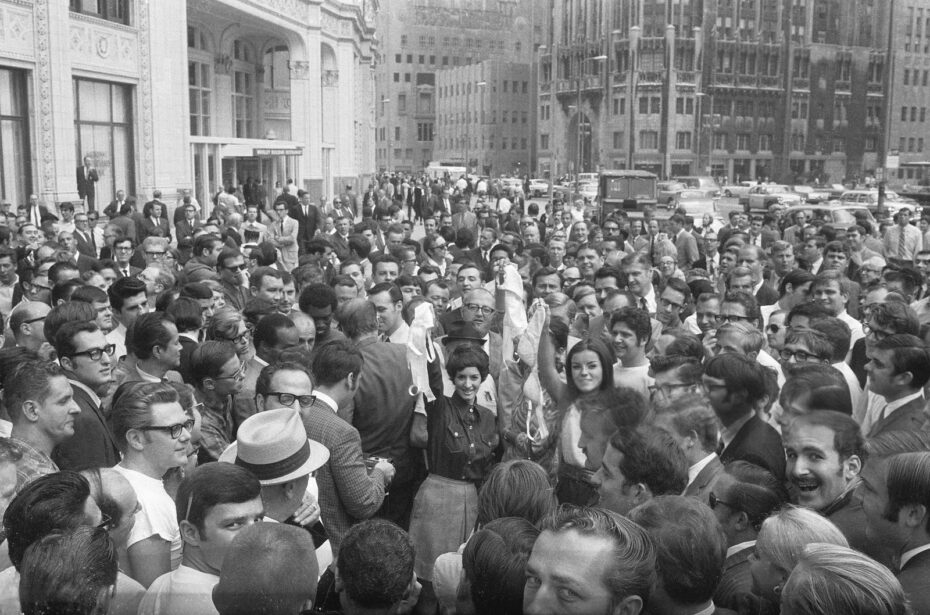
6. Before the fedora became synonymous with mobsters, it was first used as a symbol for the Women’s Rights Movement
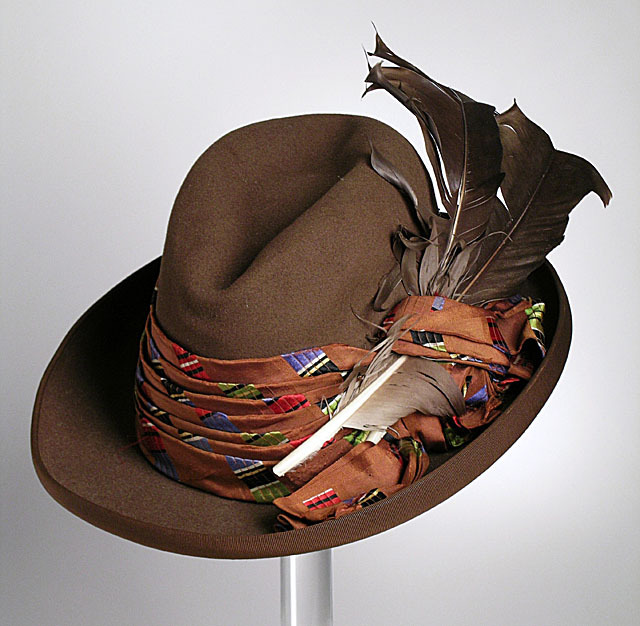
Fun fact: The fedora was originally a woman’s hat, popularized by cross-dressing actress, Sarah Bernhardt. It first appeared in 1882 as a female hat and soon became a popular fashion for women especially for women’s-rights activists.
Pictured above: a women’s fedora from 1901 at the The Los Angeles County Museum of Art.
More information on History of Hats.
7. A Diane Keaton Auction is happening this May
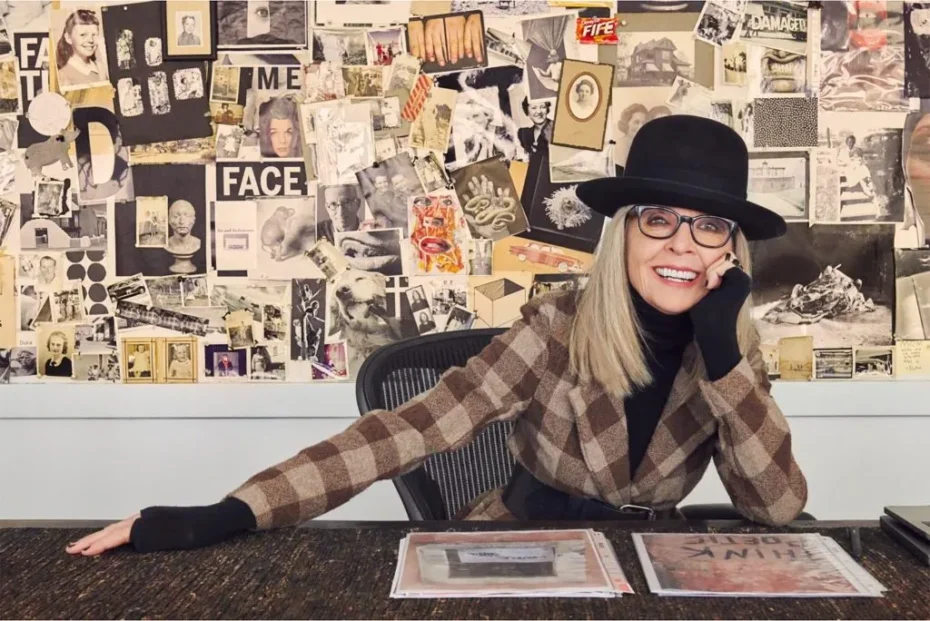

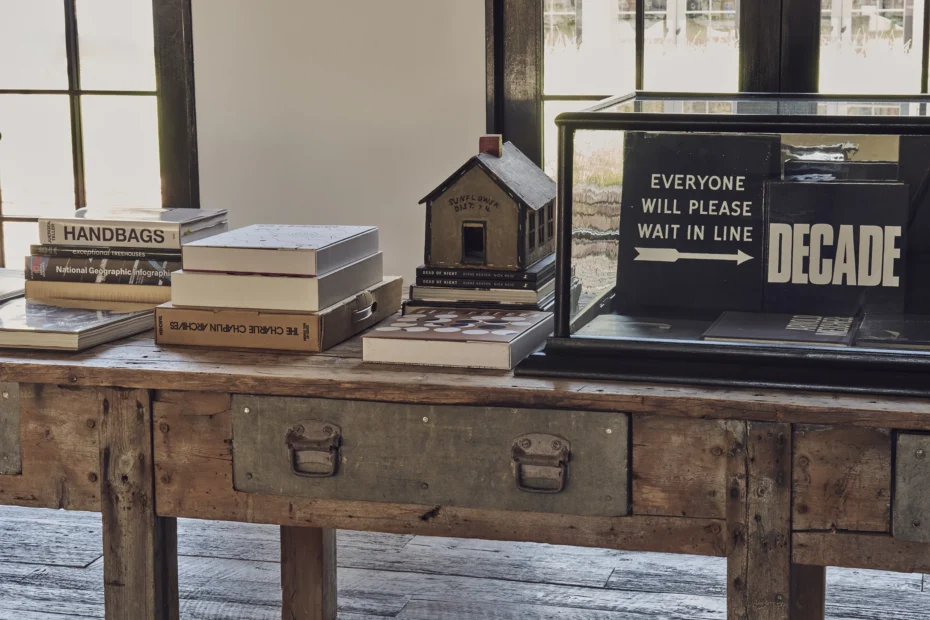
A thoughtfully curated selection of fine art, interiors, iconic fashion, personal objects, and other creative touchstones from the acclaimed actress, filmmaker, author, and style icon. The catalogue will be revealed on May 5th. More information on Bonhams.
8. The Delicate Lost Art of “Seaweed Albums”
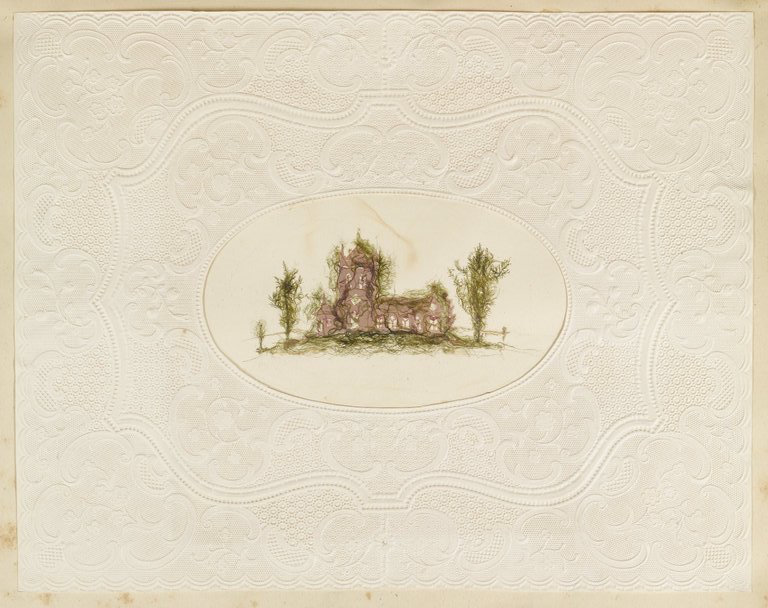
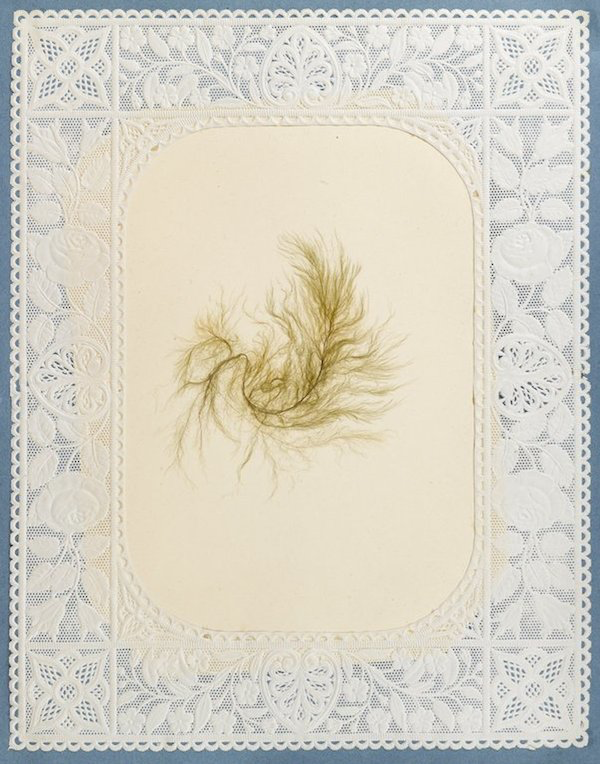
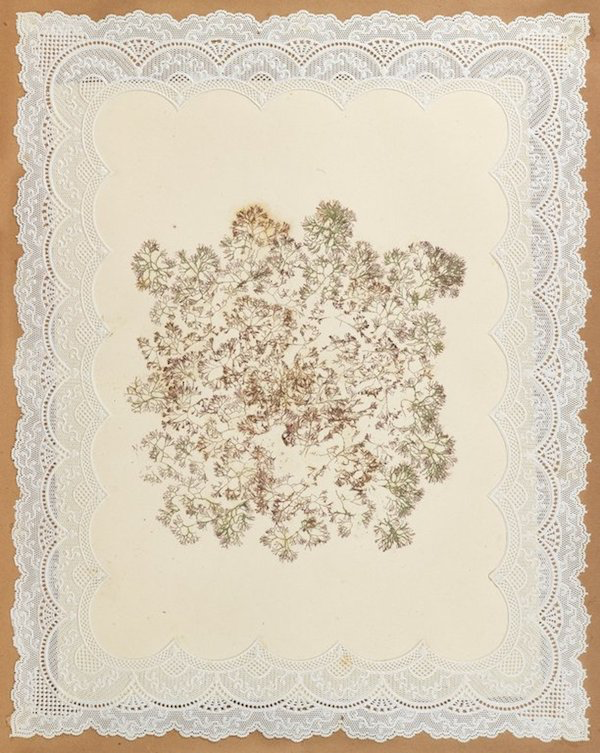
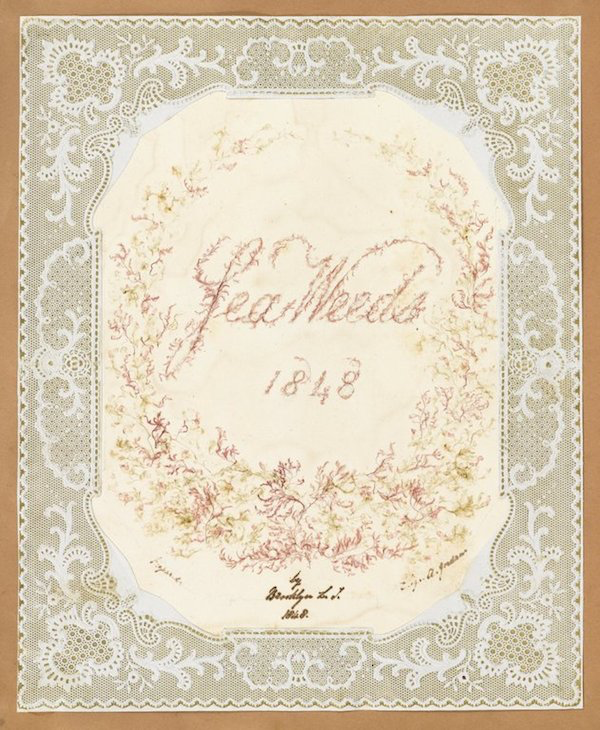
The 19th century, in which the best and most extravagant obsessions flourished (where, if not then, was the poetic experience of naturalism truly invented?), saw a wave of fascination with seaweed. Testimony to this is a series of albums that not only inventoried species with taxonomy and descriptions but also accompanied them with a bookish narrative, as if to tell the essential history of an organic aesthetics that humans had hitherto overlooked.
From the album created by Eliza A. Jordson, which contains the following poem:
Ah! call us not weeds —
We are flowers of the sea
For lovely and bright
And gay tinted are we —
We are quite independent
Of culture and showers
Then call us not weeds
We are ocean’s gay flowers.
Found on Faena.
9. Spell out your name from NASA’s tool that uses fractions of the earths surface, taken by satellite
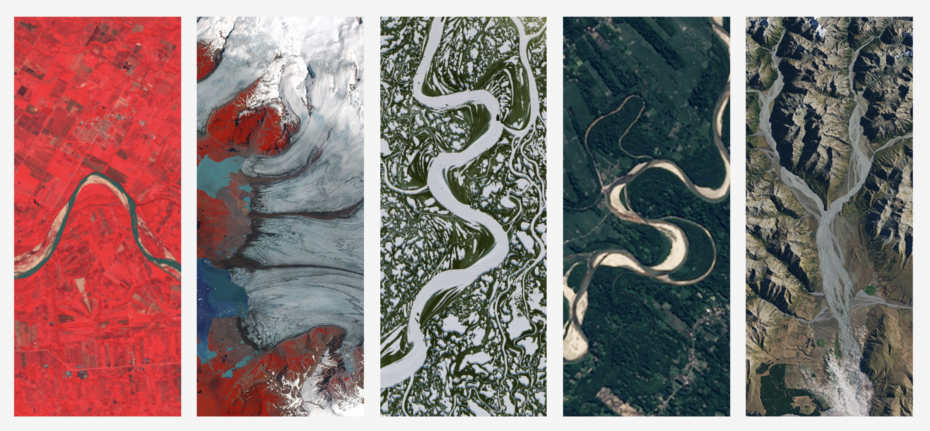
That was spells out “Nessy!” Try it here for yourself. Found via Present & Correct.
10. Yucatan’s Forest of Dilapidated mansions
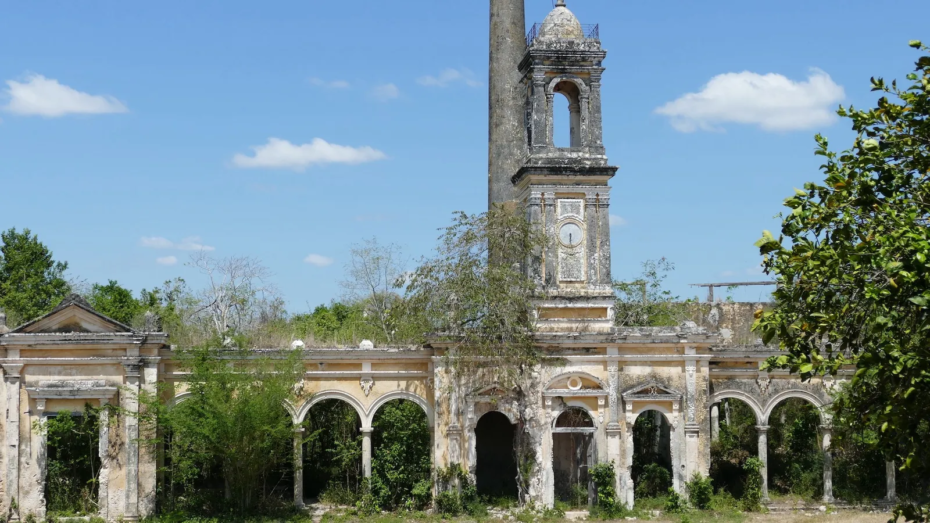
Hundreds of plantations once symbolised the peninsula’s wealth but were abandoned in the 1950s after a sudden downturn of fortune. Over the years, the jungle has taken them back.
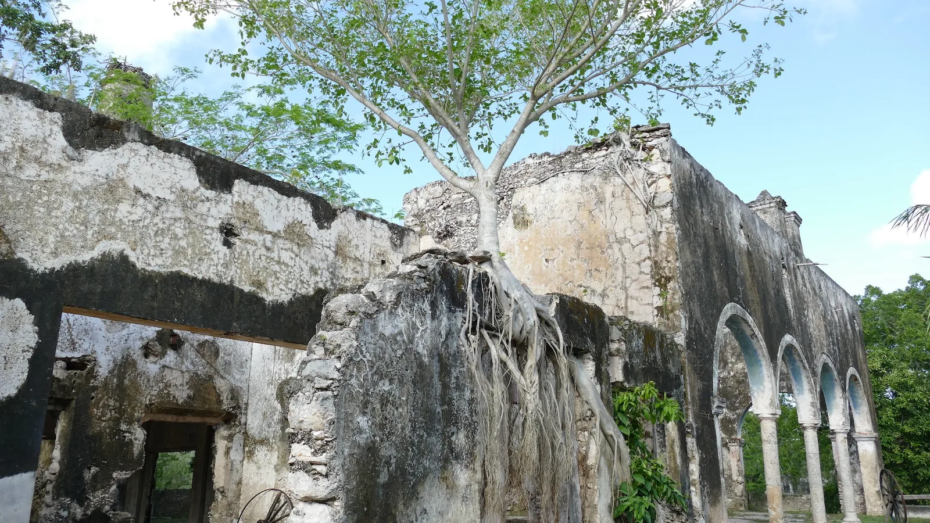
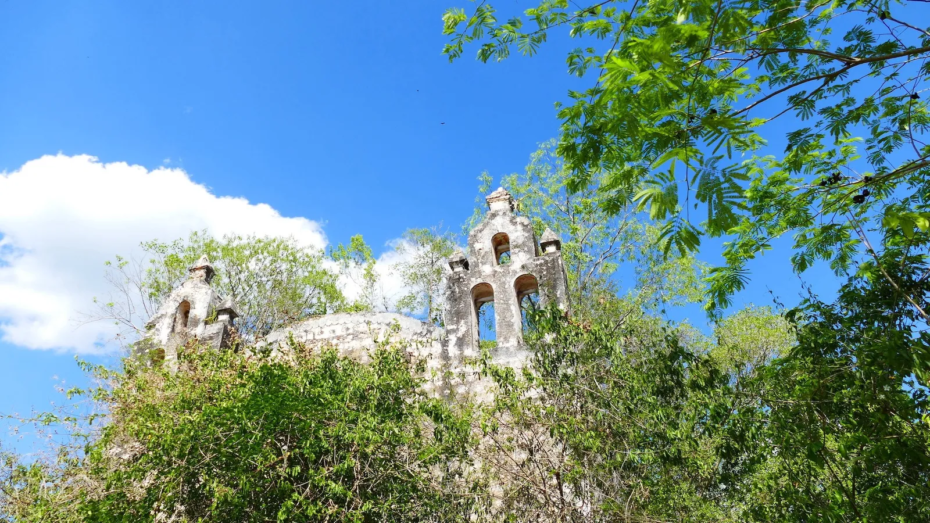
I chanced upon these ruins while on a motorcycle trip across the Yucatan Peninsula. I’d expected the focus of my bike expedition to be the area’s better-known claims to fame, its cenotes and ancient Maya sites, but a local guide led me off the main roads and into the lush jungle to show me another layer of Yucatan’s history and heritage: the abandoned henequen haciendas.
Though few travellers know of them, there are hundreds of these haciendas in the peninsula, many of them spanning thousands of acres.
Read the full story on Yucatan’s Lost Hacienda Trail from BBC Travels Egle Gerulaityte.
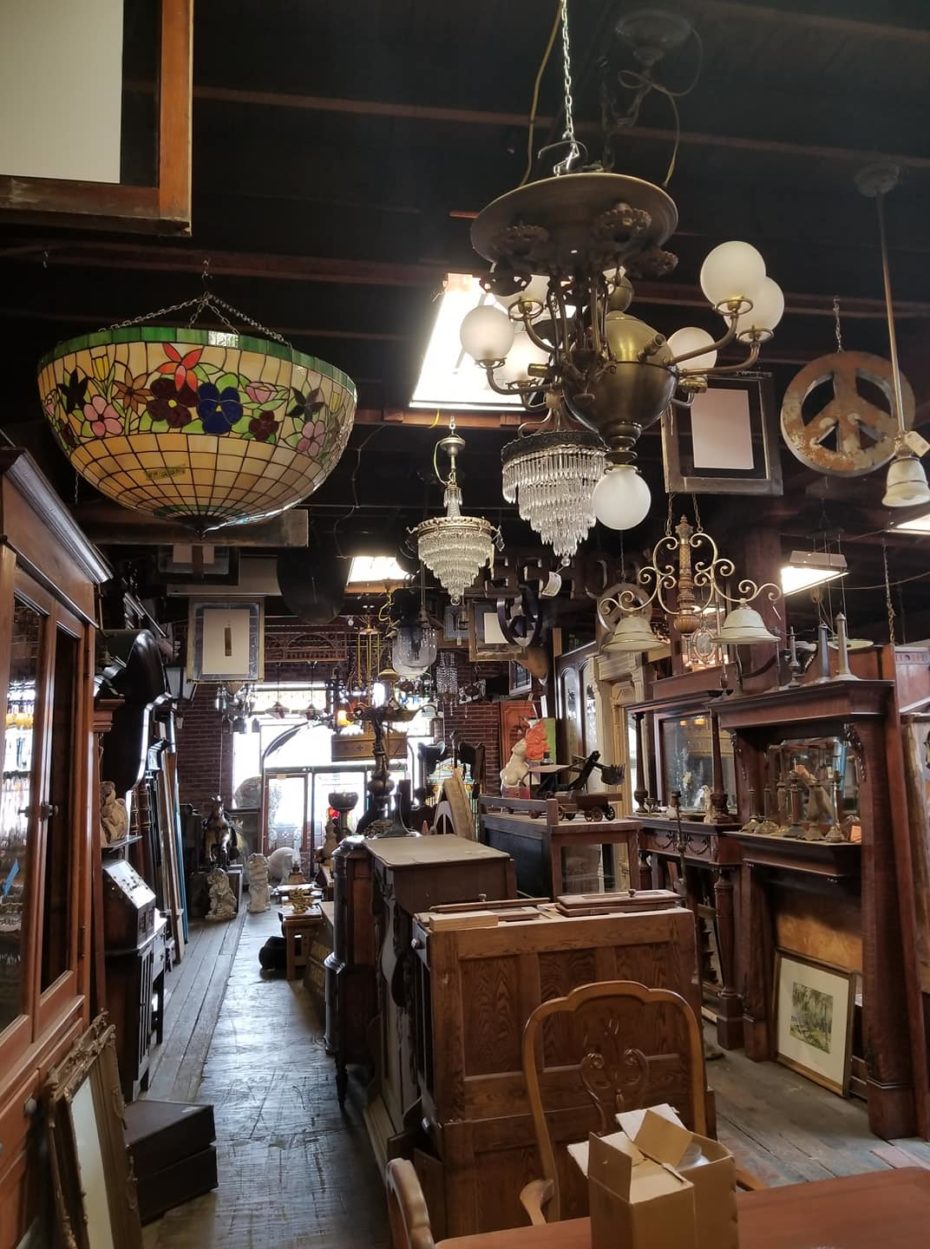
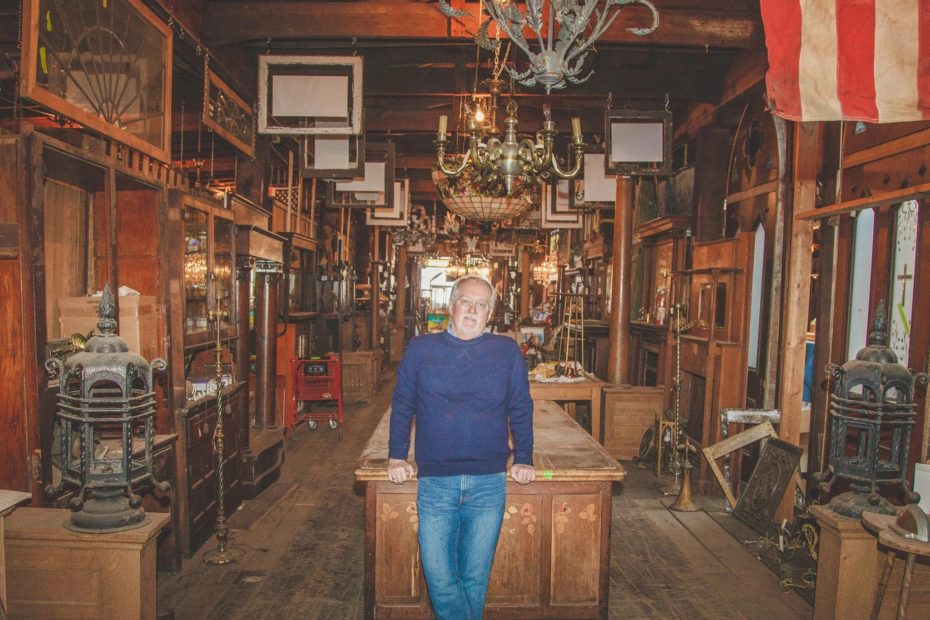
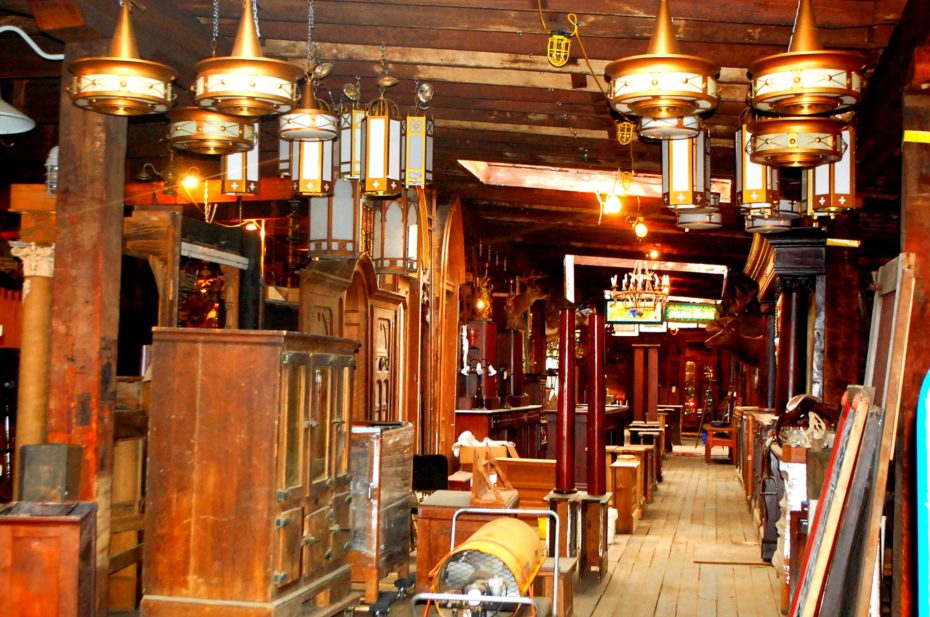
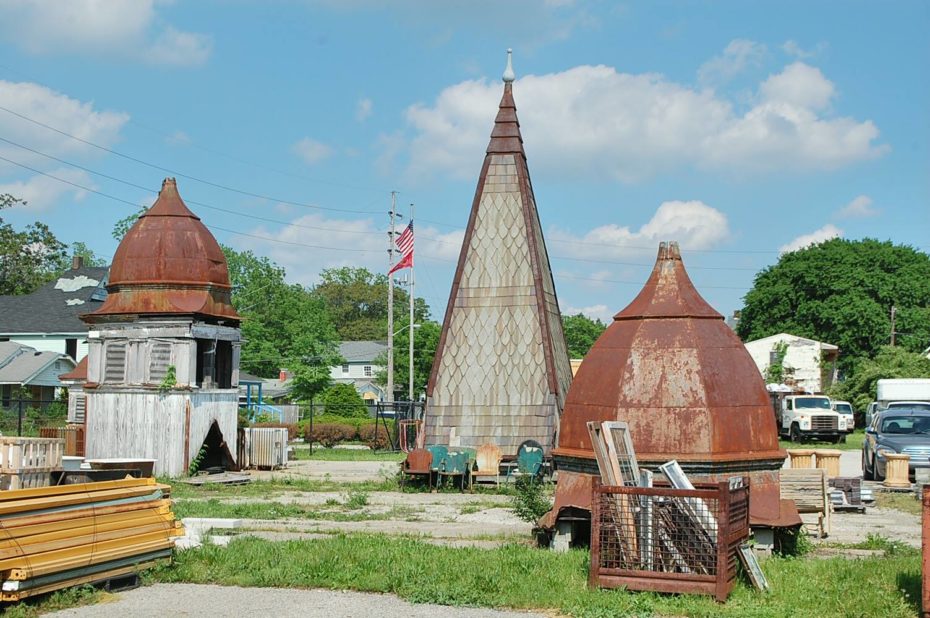
11. If you’re ever in Springfield, TN, look up this warehouse of the Gilded Age
12. The World’s Littlest Skyscraper, a scam development built in 1919
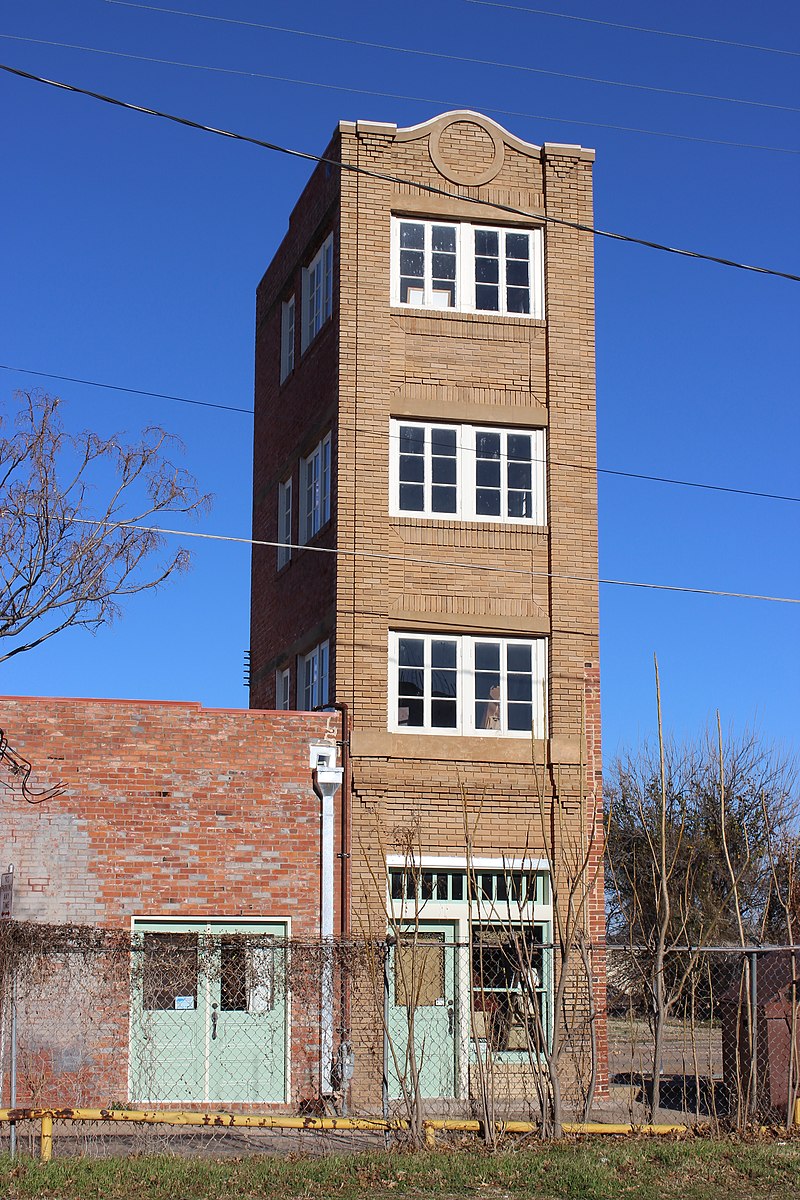
The Newby–McMahon Building, commonly referred to as the world’s littlest skyscraper, in downtown Wichita Falls, Texas, stands 40 ft (12 m) tall. Remote investors were swindled by intentionally not indicating the units on the planned blueprints were in inches, not feet.
Found on Wikipedia.
13. Latest Nuggets from Fran Lebowitz
Just booked my tickets to see her talk in Paris in October.