
Water parks used to be a lot different before the days of chlorine pools, lifeguards, and road trips. Take, for example, San Francisco’s Sutro Baths…
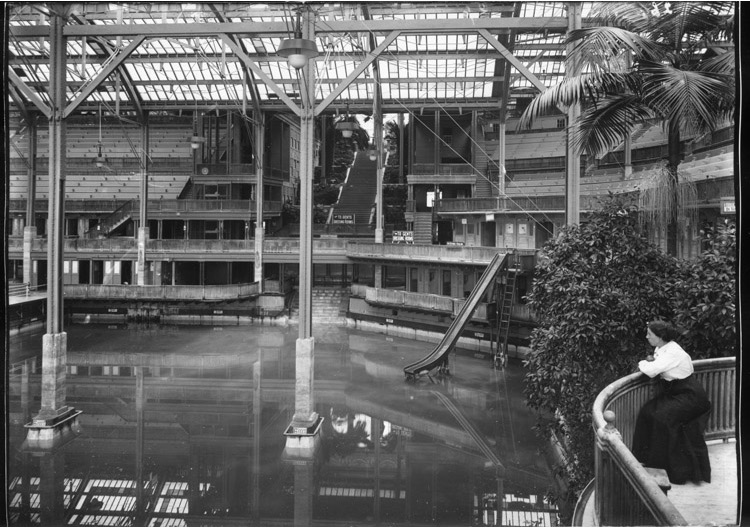
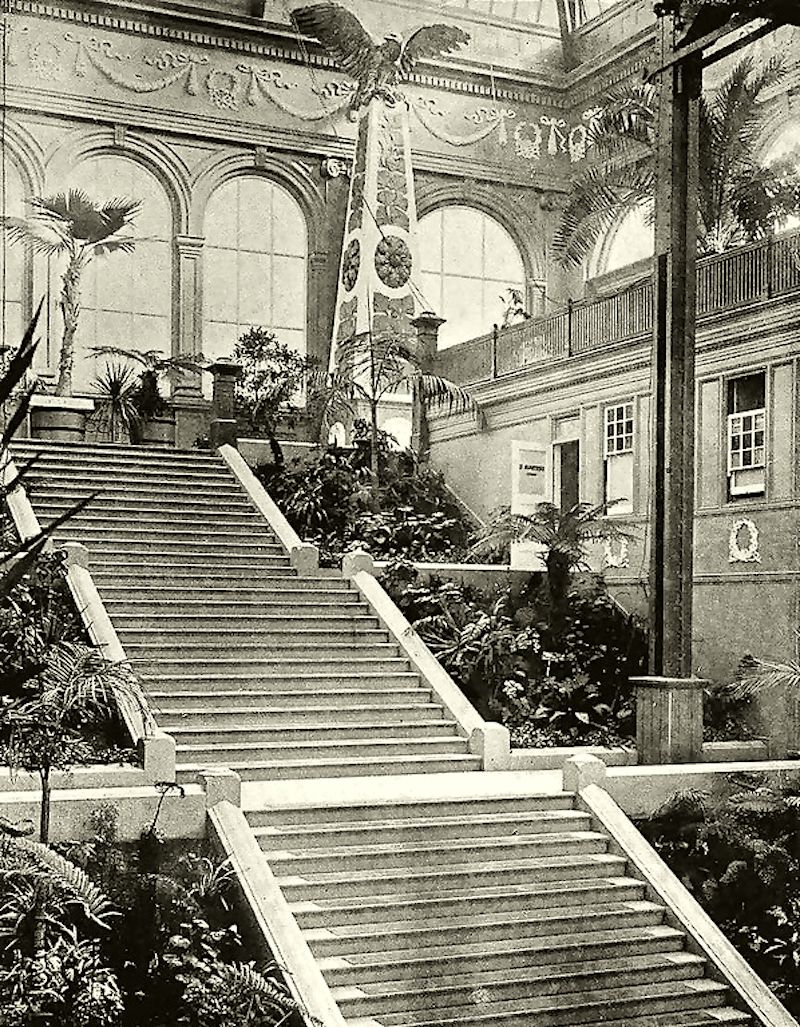
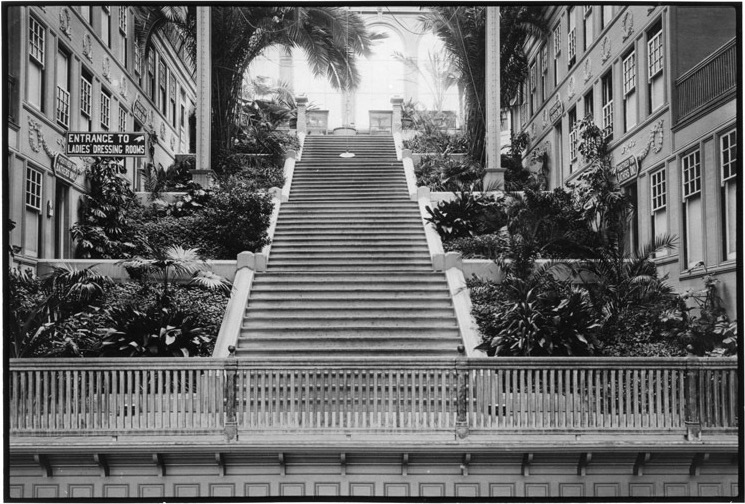
The Sutro Baths were built in Lands End in 1894 by wealthy San Franciscan Adolph Sutro, a German immigrant who had made a fortune by figuring out how to drain and de-gas the Comstock Lode, allowing silver to be taken out of Mt. Davidson in Nevada. He took his money to San Francisco, where he invested in real estate and got involved in politics, among other activities. Sutro opened his estate to the public, and contributed to the community in other ways, including the building of the Sutro Baths.

The Baths got their start as an artificial tide pool in a natural cove, which Mr. Sutro built to satisfy his interest in natural history and marine life.
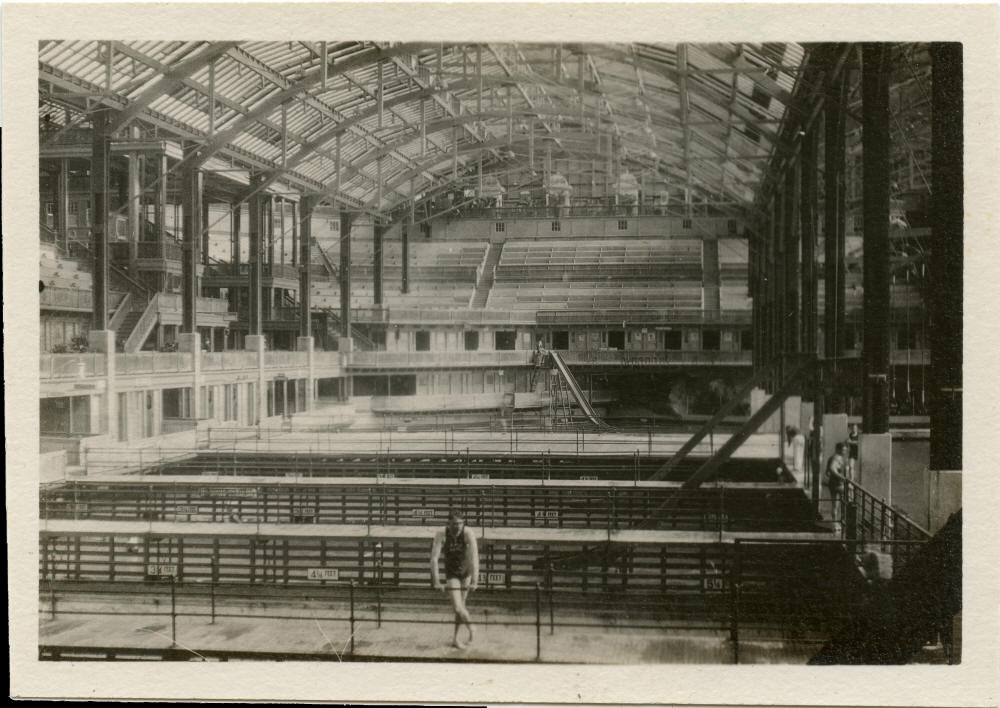
But Sutro soon expanded far beyond the small, original ocean pool…
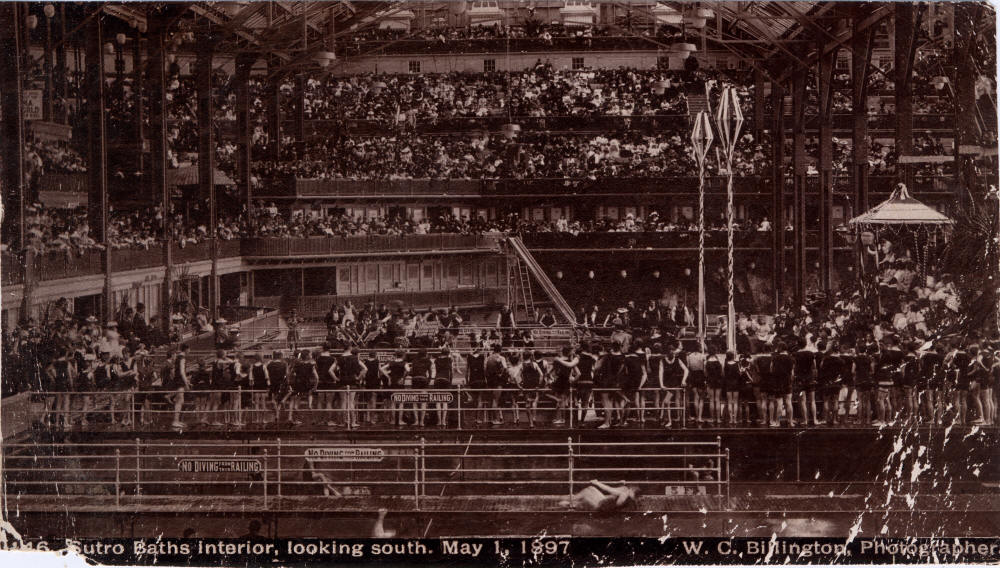
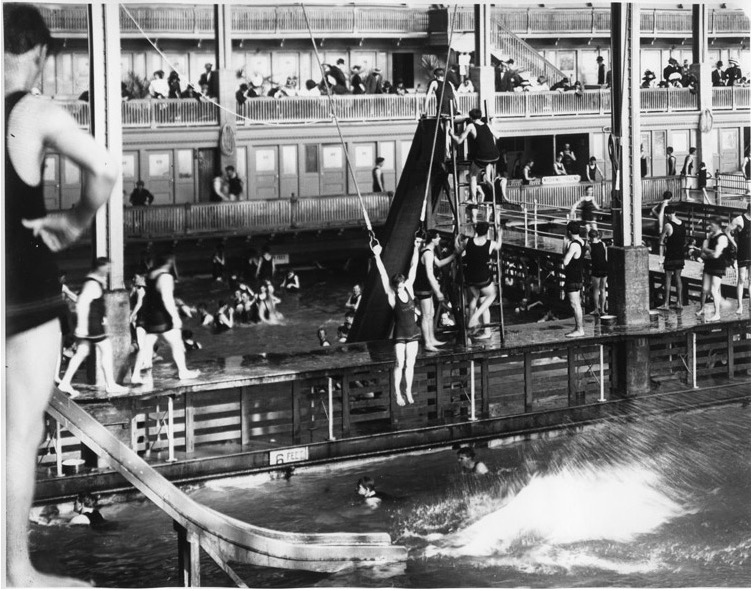
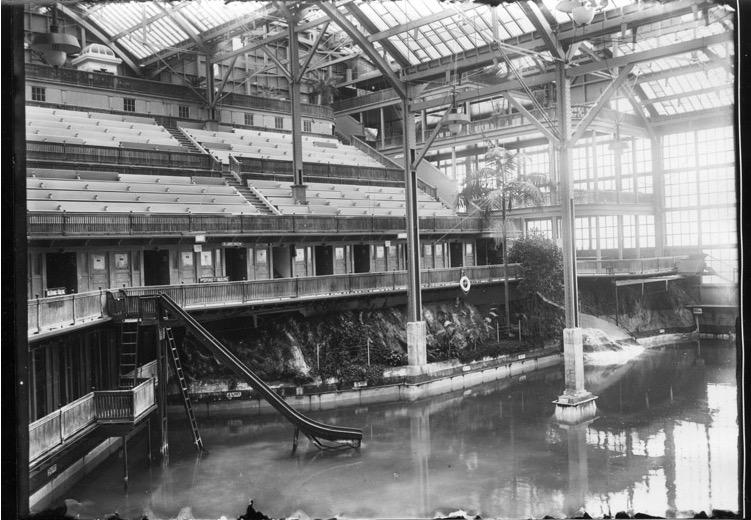
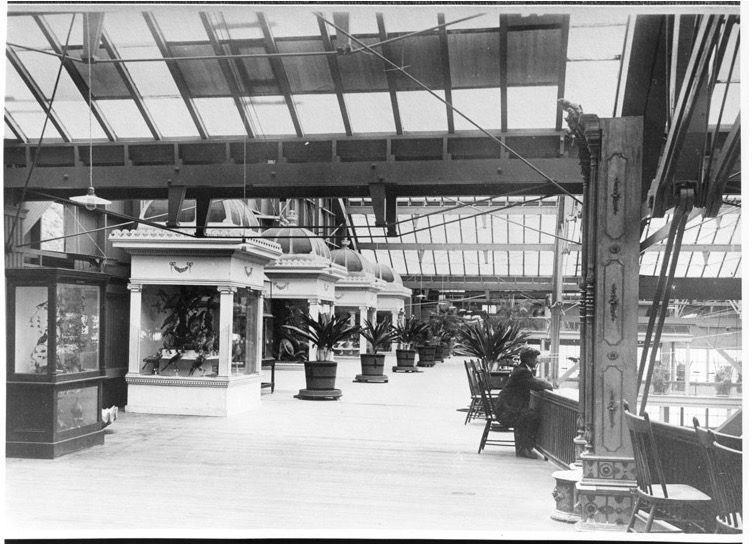
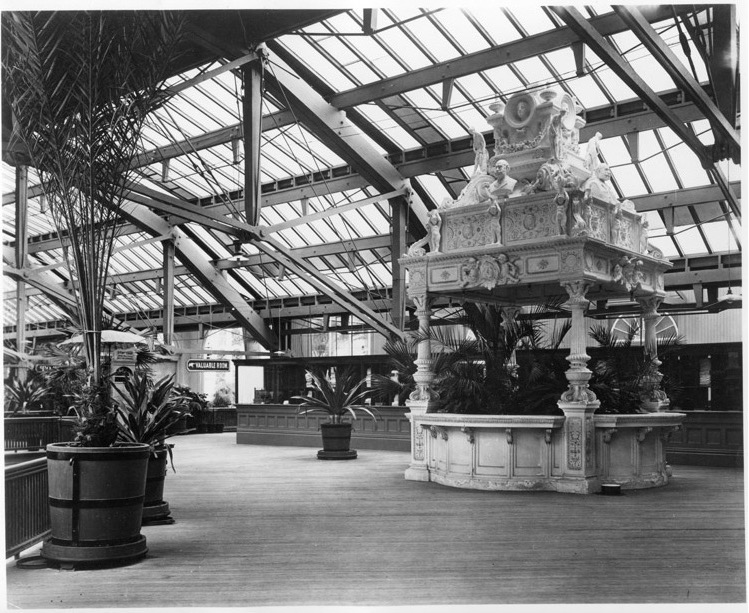
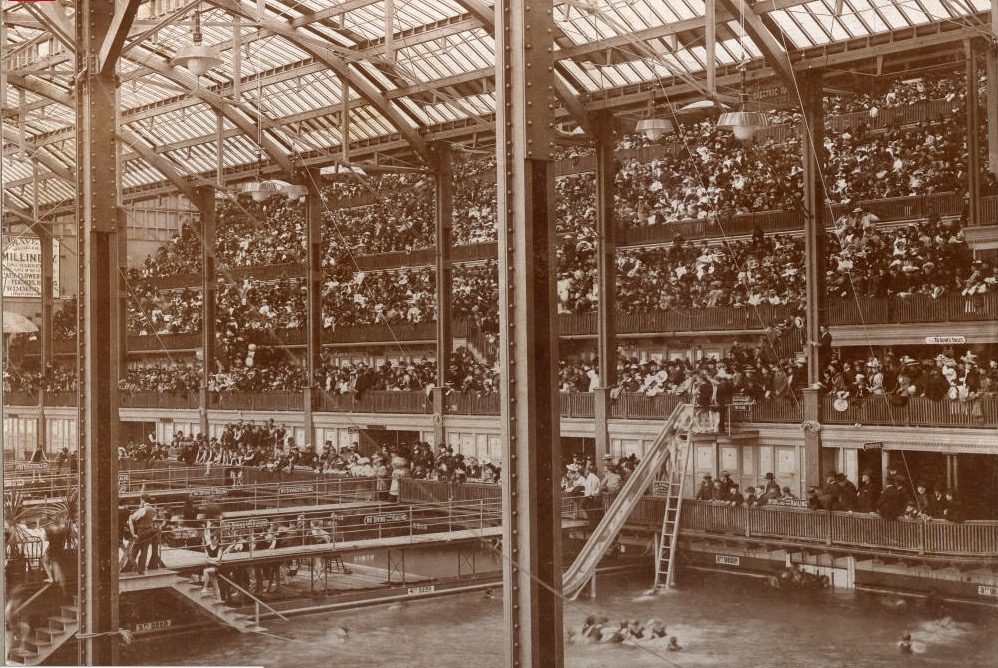
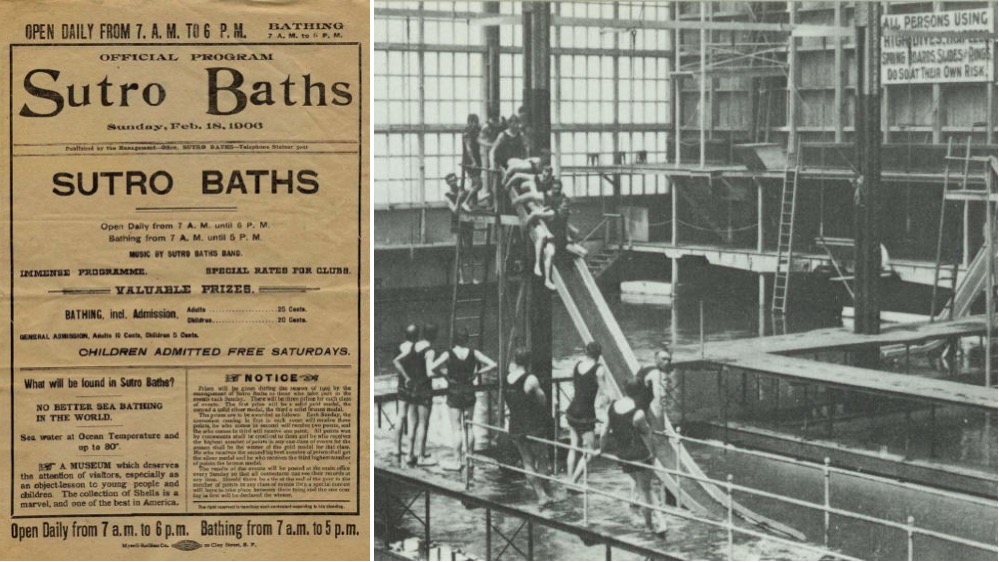
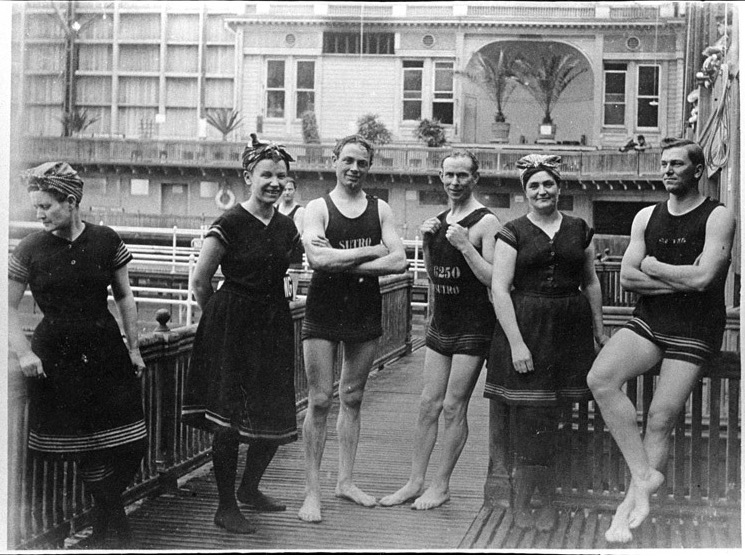
The goal for the Baths was to provide a healthy form of recreation for the public, and the wealthy San Franciscan did so by building an enormous public swimming complex containing seven pools of various temperatures, sizes, and depths, complete with slides, rings and diving boards, all enclosed in a glass structure on the cliffs overlooking the ocean.
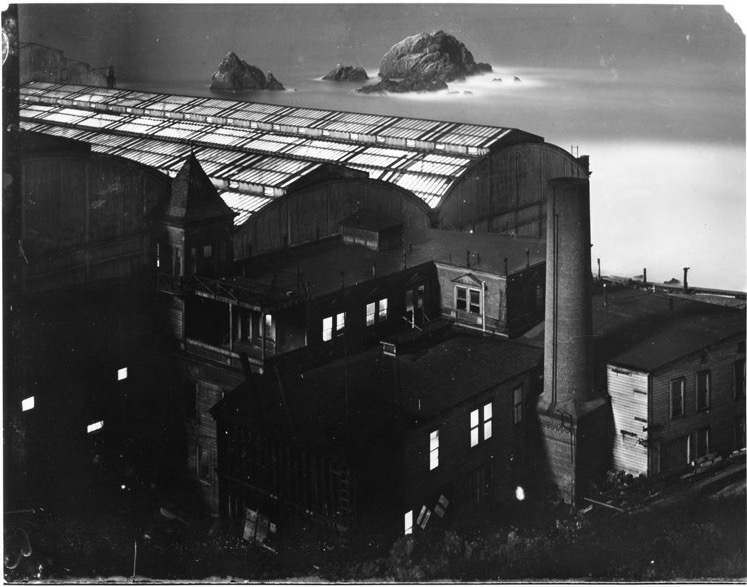
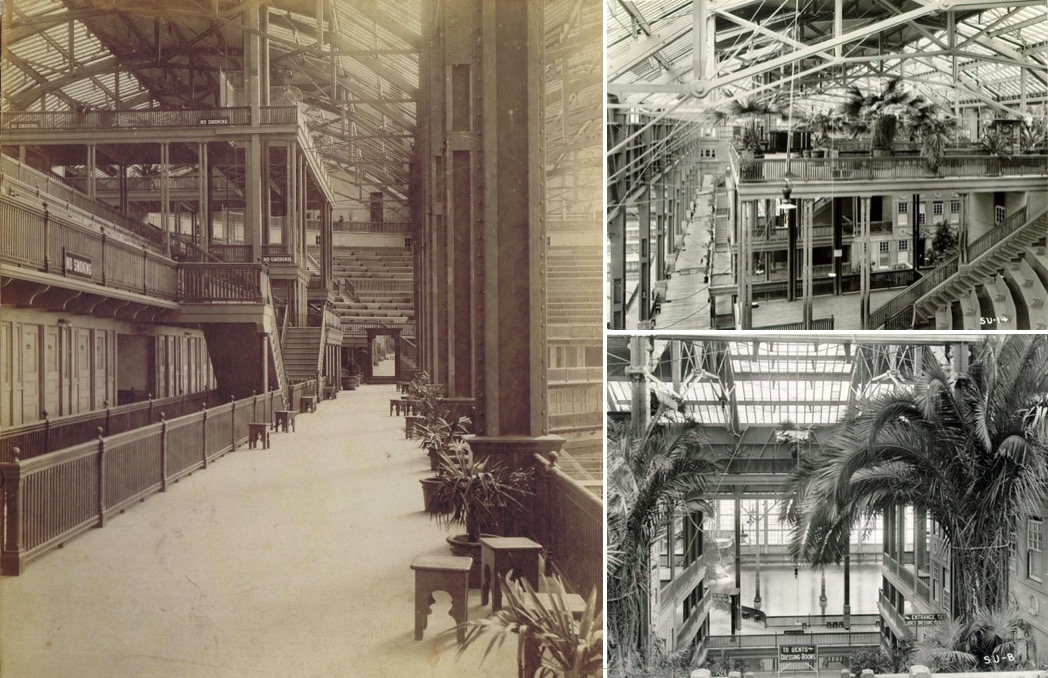
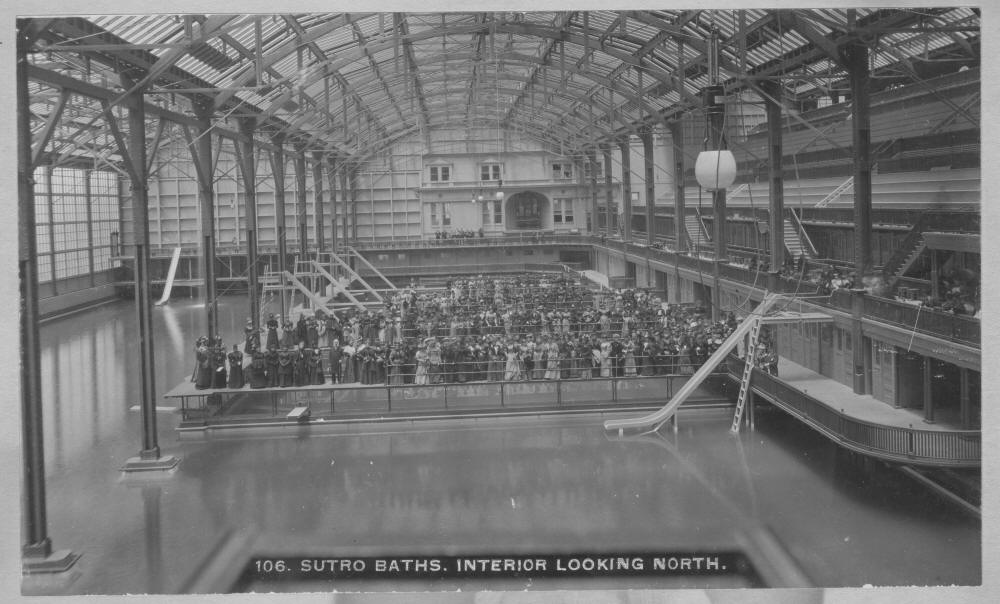
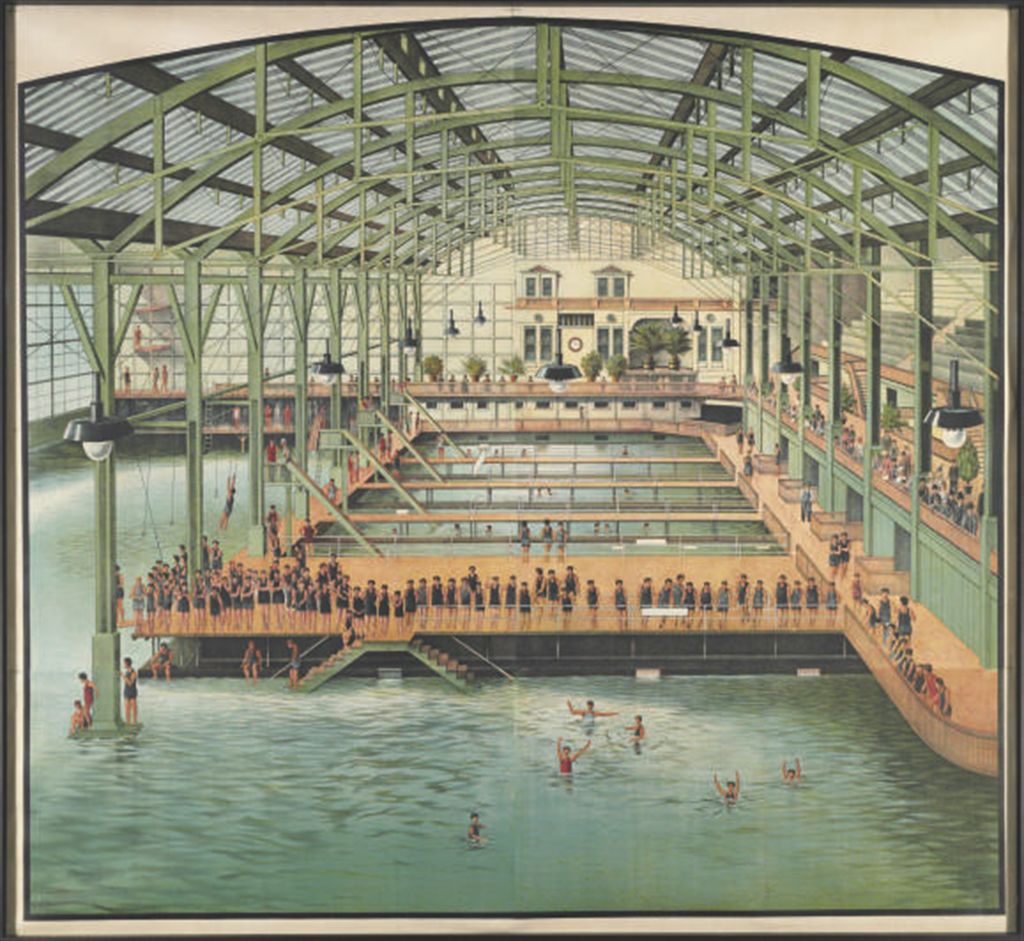
The building was heavily influenced by classical Greek architecture, inspired by Sutro’s travels to Europe. The Pacific Ocean flowed into the pools at high tide, filling them naturally with 1.7 million gallons of water, and during low tide, a powerful pump (hidden in a cave) would keep the pools full.
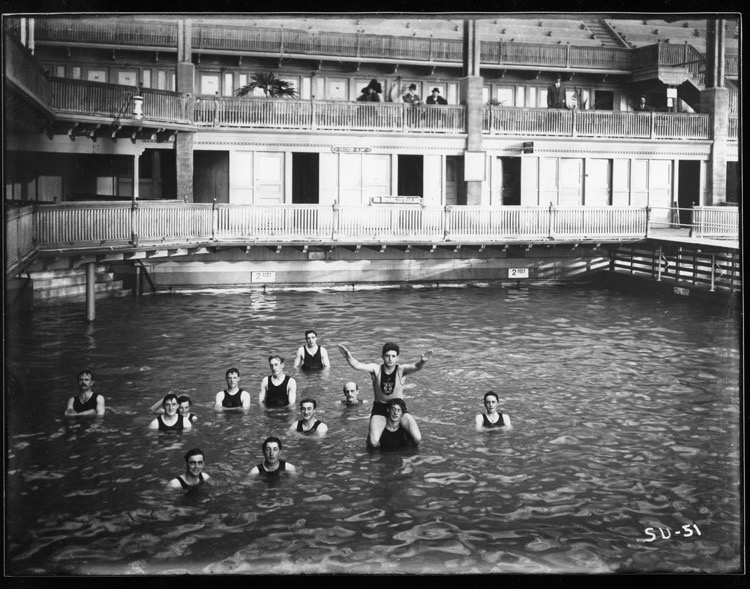
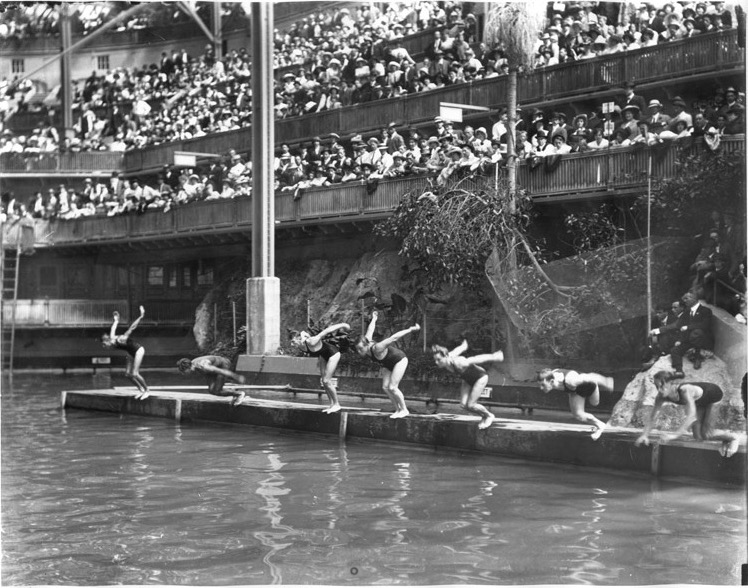
The Sutro Baths could accommodate 10,000 people at once, and all were required to wear rented swimsuits while visiting the Baths.
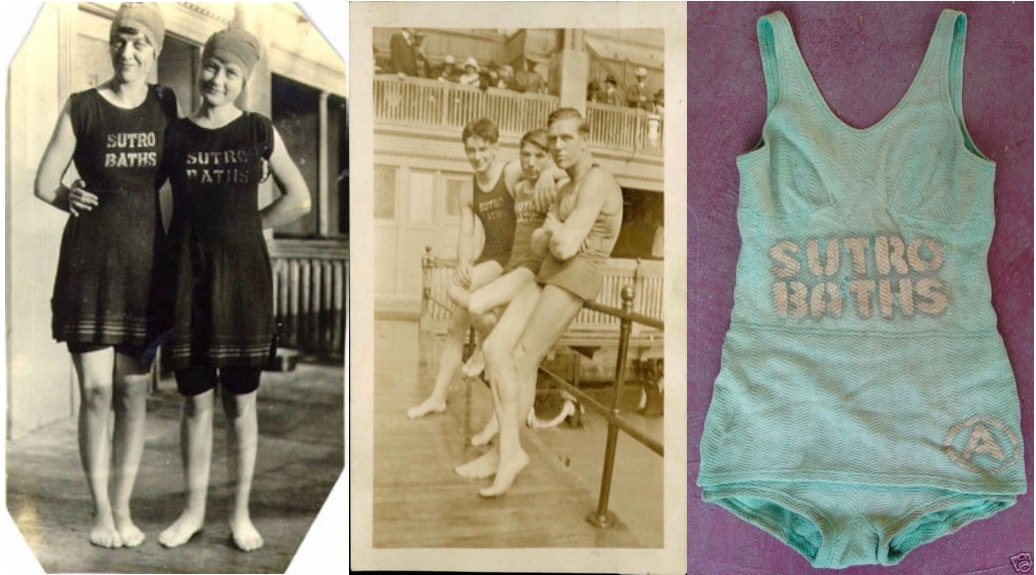

Those who didn’t want to swim could sit in the bleachers overlooking the pools.
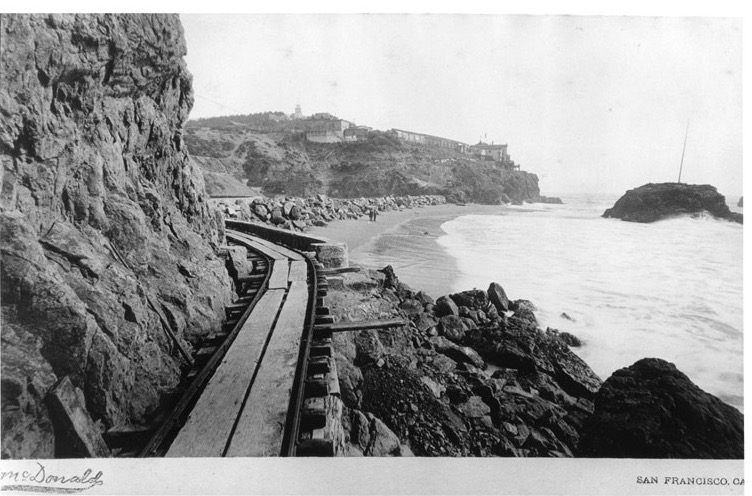
Guests arrived via a rail line that serviced the Baths and other nearby attractions, including Sutro’s Cliff House, Ocean Beach, and Sutro Heights Park.
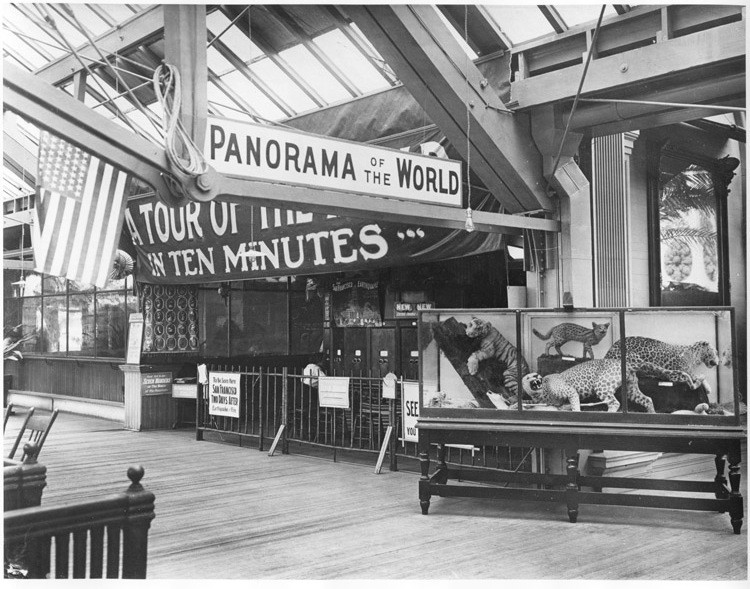
Sutro also wanted to provide healthy recreation in the form of education, so he set up a museum of sorts featuring taxidermied animals, exotic plants, and other specimens of natural history, as well as historic artifacts and artwork, all from Sutro’s private collection. An amphitheater was also added for talent competitions, concerts, and other shows.
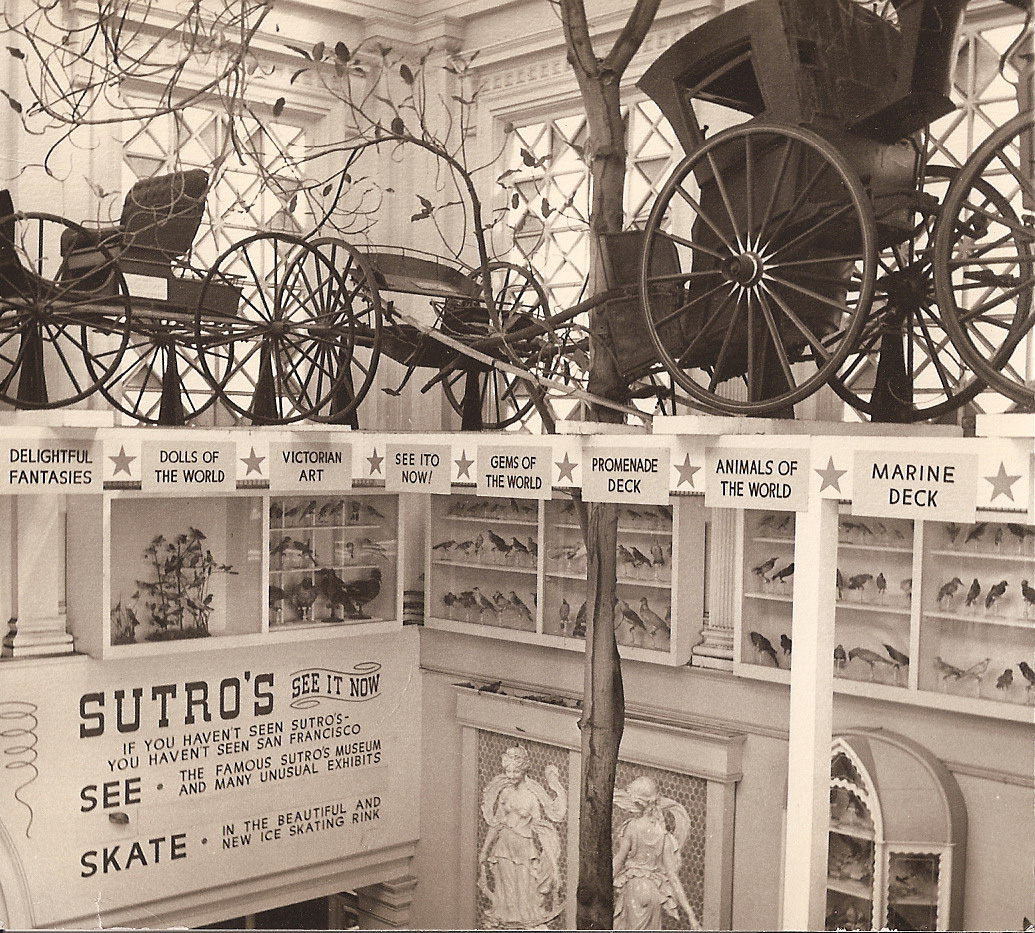
Sutro intended for the Baths to remain inexpensive for the public to use, but the costs to maintain and operate the facility were so high that it was never very profitable. Other attractions were added over the years to try to and generate more money, such as an ice-skating rink, which was built in the 1930s, an imitation of a tropical beach, a fake waterfall and an arcade.
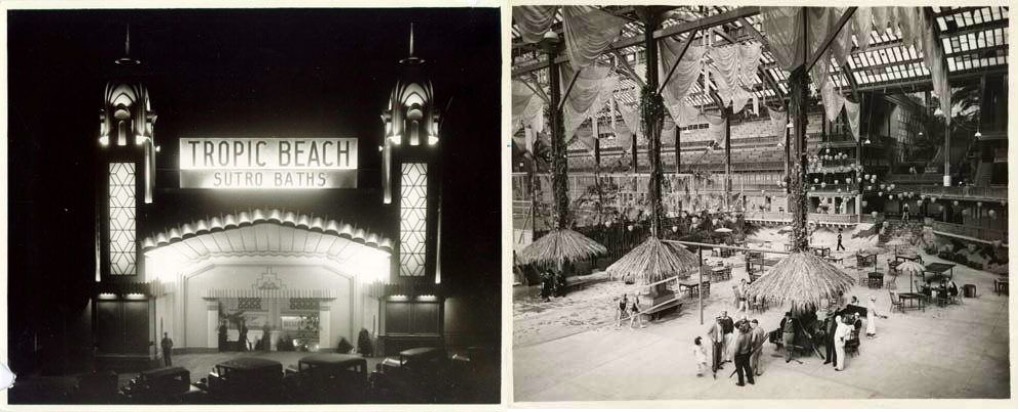
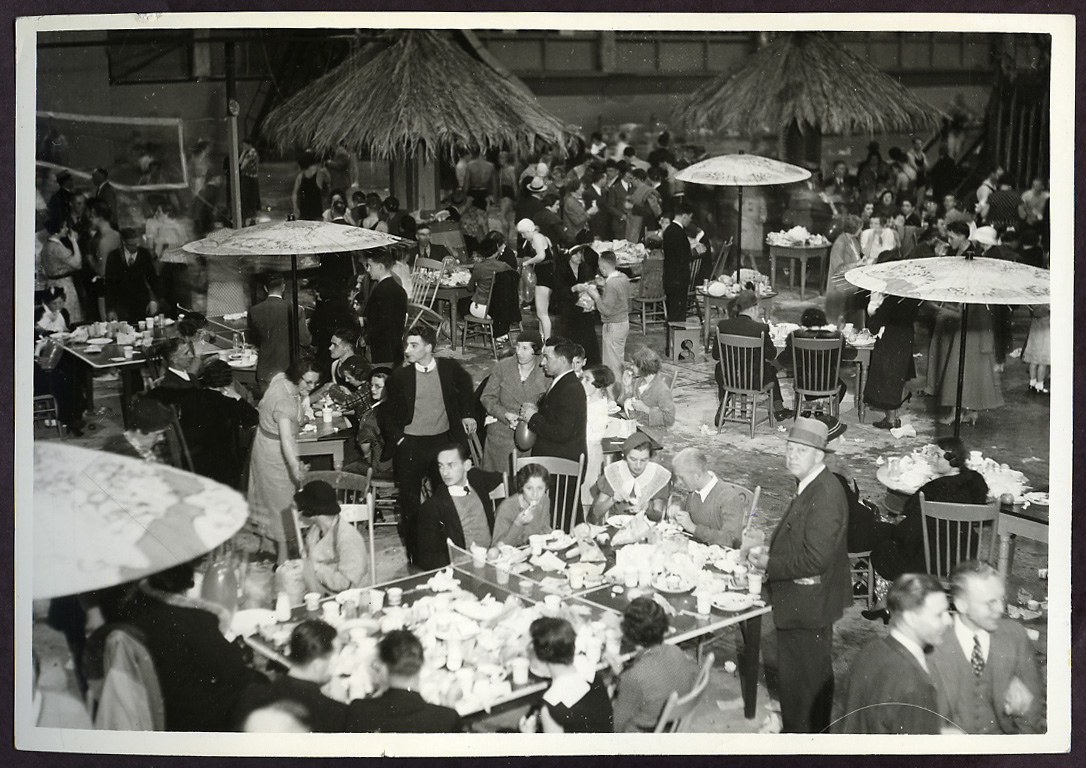
The Great Depression affected attendance, and reduction in public transit to the Baths further reduced the number of visitors. By the mid-1960s the pools had closed and were slated for demolition.
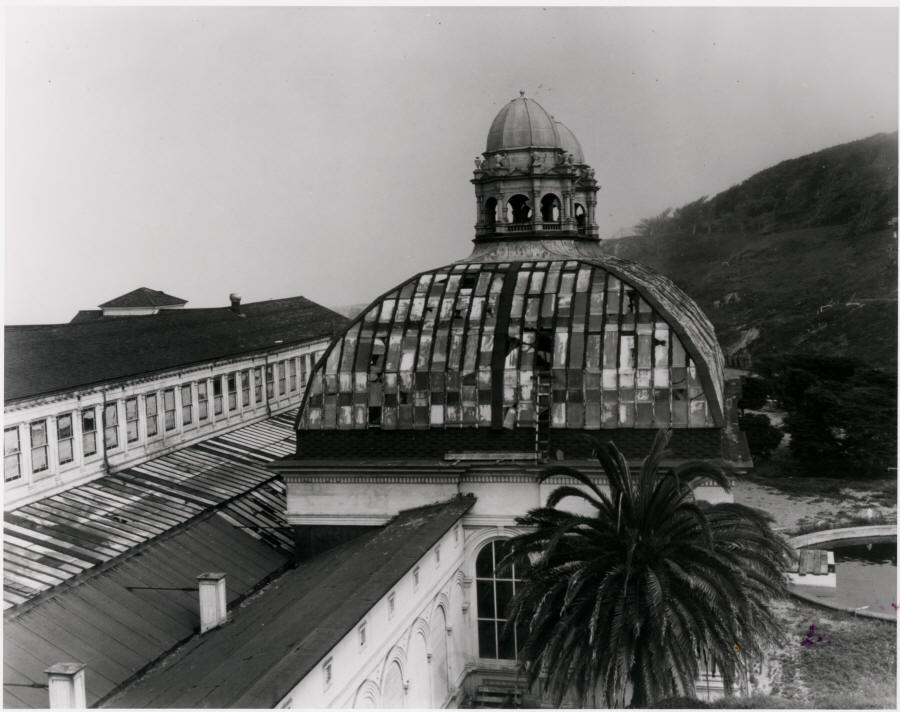
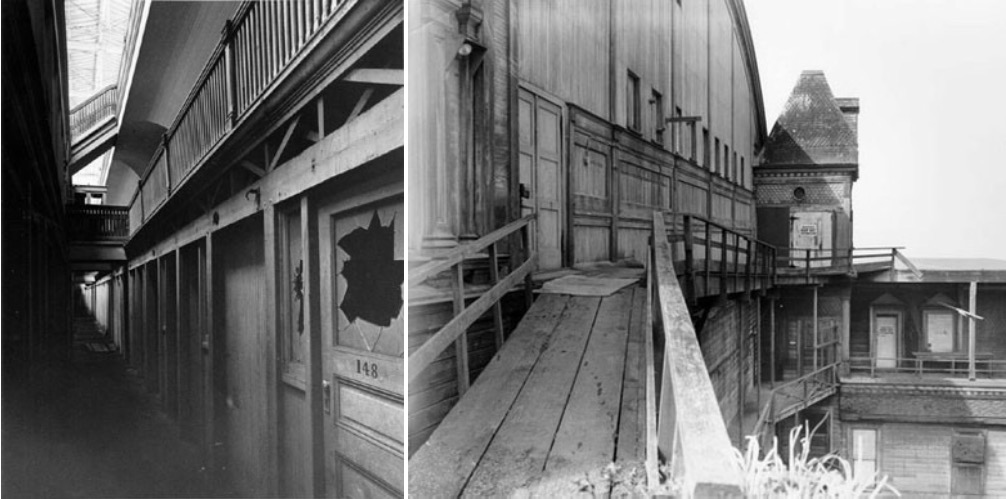
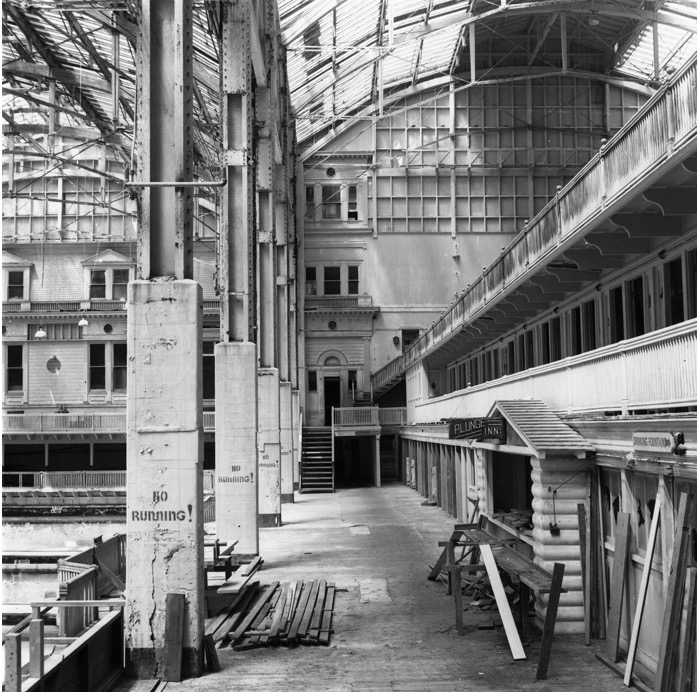
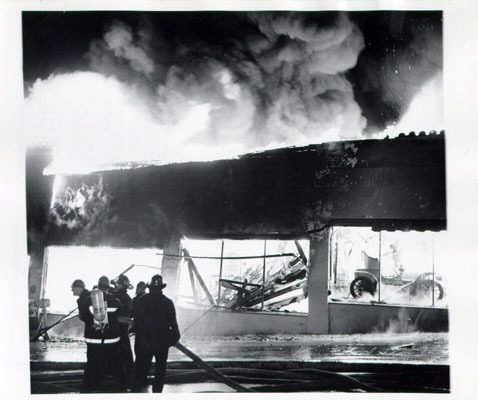
In 1966, while the Sutro Baths were in the process of being demolished, the structure mysteriously caught fire in what was later determined to be arson.
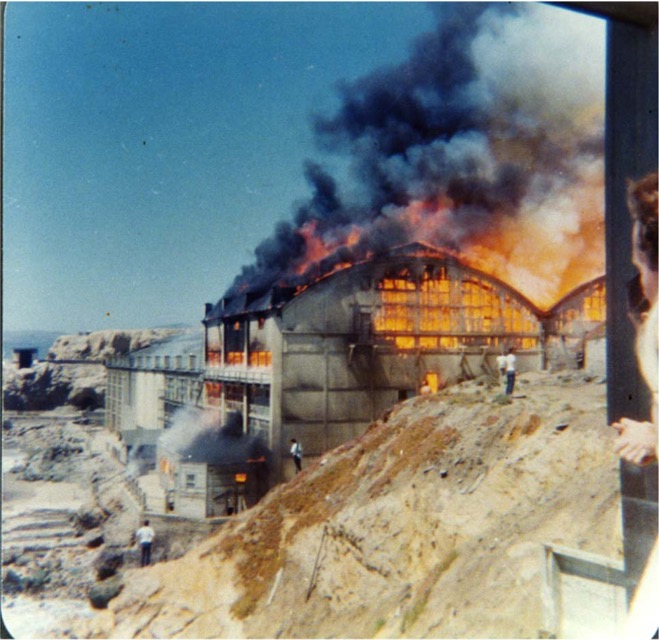
The developers of the site, who had intended to build high-rise apartments on the location, claimed their insurance money and left the ruins.


The National Parks Service purchased the remnants of the Sutro Baths in 1973 as part of Golden Gate National Recreation Area, and are open for visitors to explore.


The contours of the building are still visible today, as well as the remains of the deep diving pool. Even though the “ruins” aren’t that old, you can still go visit this “old school water park” where people arrived by train to go swimming in salt water pools that were filled by the ocean.
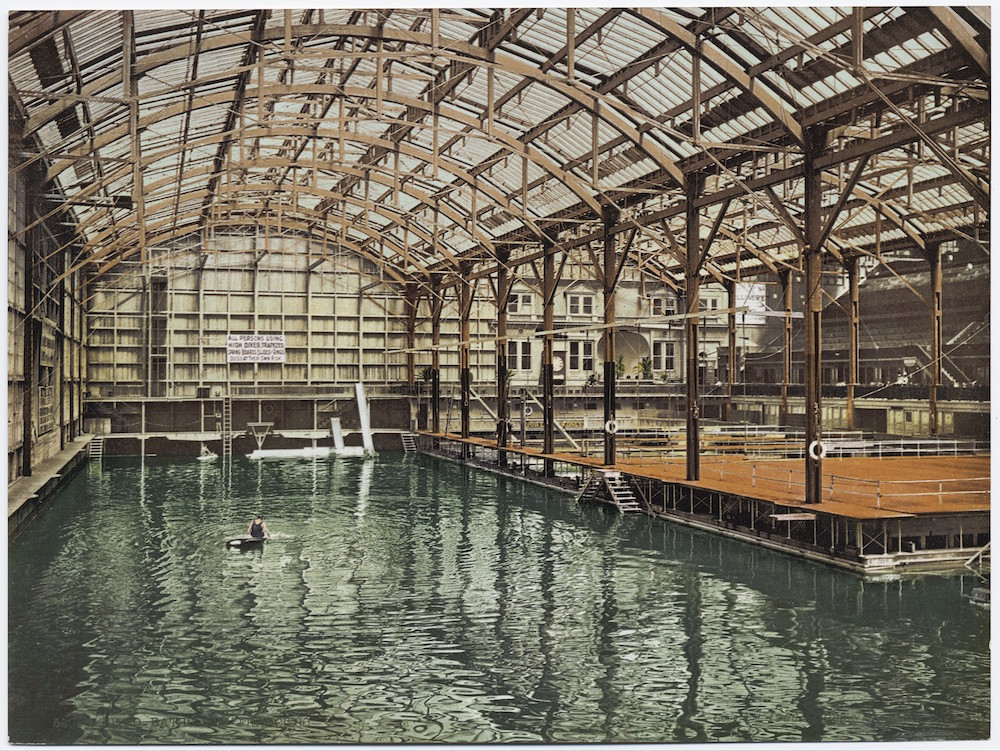
You just might need to use a little imagination. Hopefully, these images will help you paint that picture when you’re there.